India CPI inflation to average 5.1% in FY27, Crisil warns of energy and food risks
Synopsis
India's CPI inflation is running mild at 3.48% in April, but Crisil Ratings projects it will climb to an average of 5.1% in FY27 — driven by a potential 32% surge in Brent crude, a below-normal monsoon under El Niño, and the looming pass-through of energy costs to consumers. The consumer's current protection may be temporary.
Key Takeaways
CPI inflation rose marginally to 3.48% in April from 3.40% in March, according to Crisil Ratings .
Retail inflation is projected to average 5.1% in FY27 , up significantly from current levels.
Brent crude is forecast to average $90–95 per barrel in FY27, roughly 32% higher year-on-year.
Core inflation held steady at 3.7% for the fourth consecutive month as input cost pass-through has yet to materialise.
A below-normal monsoon under likely El Niño conditions could pressure food inflation , which is normalising from recent lows.
The RBI's MPC is expected to keep rates and stance unchanged at its forthcoming policy meeting.
India's consumer price index (CPI) inflation rose marginally to 3.48% in April from 3.40% in March, and is projected to average 5.1% in fiscal year 2027 (FY27), according to a report by Crisil Ratings released on Wednesday, 13 May. The rating agency flagged mounting risks from energy costs, a potentially weak monsoon, and input price pass-through as key threats to the current benign inflation environment.
Current Inflation Landscape
Despite the mild uptick in April, Crisil Ratings noted that upside risks to retail inflation are materialising slowly. "While the conflict in West Asia has crossed 74 days, the upside risks to retail inflation seem to be materialising at a snail's pace, indicating that the consumer remains largely protected so far," the report stated.
Core inflation — which strips out volatile food and fuel components — held steady at 3.7% for the fourth consecutive month, as the anticipated pass-through of higher energy and input costs to end consumers has not yet played out. Meanwhile, electricity, gas, and fuel inflation eased in April due to base effects, and transport fuel inflation has been kept in check by the government's decision to hold petrol and diesel pump prices unchanged.
Energy Shock and Oil Price Outlook
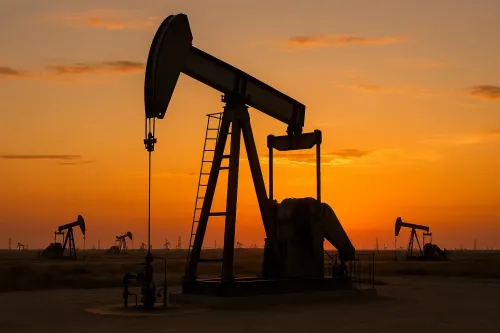
The energy picture, however, is far from settled. Supply chain disruptions have pushed oil price forecasts higher, with Brent crude now expected to average $90–95 per barrel in FY27 — roughly 32% higher year-on-year, according to the Crisil report. The agency warned that producers are expected to pass on the sharp rise in energy, input, trade, and transportation costs to consumers, which would likely push core inflation higher in the coming months.
Notably, the government's decision to freeze retail fuel prices has provided a temporary buffer, but the report cautioned that pump prices could come under pressure in the months ahead if global crude remains elevated.
Food Inflation and Monsoon Risk
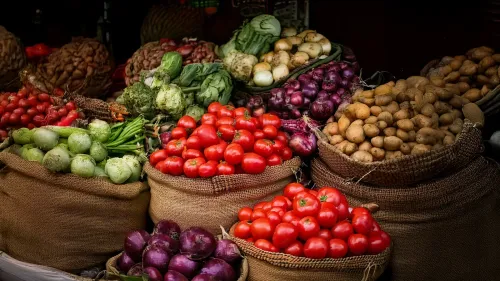
Food inflation, which had been normalising from elevated levels, faces fresh headwinds. Crisil Ratings flagged that a below-normal monsoon amid likely El Niño conditions, combined with ongoing heatwaves, could hurt agricultural production and reignite food price pressures. Inflation in restaurants and accommodation services as well as household furnishings and equipment increased as expected, though a slower rise in precious metal inflation provided some cushion.
RBI Monetary Policy Outlook
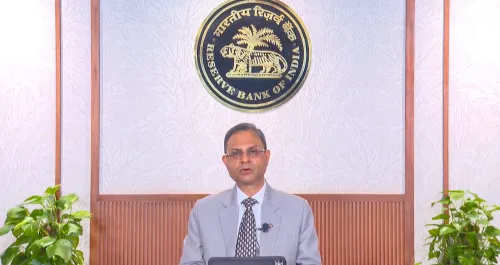
Against this backdrop, the Reserve Bank of India's (RBI) Monetary Policy Committee (MPC) is expected to keep both interest rates and its policy stance unchanged at its forthcoming meeting, the report said. The current relatively contained inflation reading gives the central bank room to hold, but the projected rise toward 5.1% over the full fiscal year suggests the MPC will need to remain watchful. With FY27 inflation risks skewed to the upside, the trajectory of global crude, monsoon performance, and domestic fuel pricing decisions will be closely watched in the months ahead.
Point of View
Propped up by frozen fuel prices and a delayed cost pass-through. The government's decision to hold petrol and diesel prices steady is a political buffer, not an economic one — and it cannot hold indefinitely if Brent crude sustains near $90–95. The El Niño monsoon risk adds a second front: food inflation has a history of surprising on the upside in India, and any agricultural shortfall would arrive just as energy-driven core inflation is beginning to bite. The RBI's expected hold looks reasonable today, but the MPC may find its room to manoeuvre narrowing sharply by the second half of FY27.
NationPress
23 Sept 2026
Frequently Asked Questions
What is India's CPI inflation forecast for FY27?
Crisil Ratings projects India's CPI-based retail inflation to average 5.1% in fiscal year 2027, up from the current April reading of 3.48%. The rise is expected to be driven by higher energy costs, input price pass-through, and potential food inflation from a below-normal monsoon.
Why is retail inflation expected to rise in FY27?
Key risks include Brent crude oil averaging $90–95 per barrel in FY27 — roughly 32% higher year-on-year — along with producers passing on elevated energy and input costs to consumers. A potentially weak monsoon under El Niño conditions could also push food prices higher.
What is the current status of core inflation in India?
Core inflation held steady at 3.7% for the fourth consecutive month as of April, as the anticipated pass-through of higher energy and input prices to consumers has not yet materialised, according to Crisil Ratings.
Will the RBI change interest rates at its next policy meeting?
The Reserve Bank of India's Monetary Policy Committee is expected to keep both interest rates and its policy stance unchanged at the forthcoming meeting, according to the Crisil Ratings report.
How are fuel prices affecting inflation in India?
The government's decision to keep petrol and diesel pump prices unchanged has helped contain transport fuel inflation so far. However, Crisil Ratings warned that pump prices could come under pressure in the coming months if global crude oil prices remain elevated.