India-Iran talks: Misri, Ravanchi discuss regional tensions and Chabahar Port
Synopsis
India's Foreign Secretary Vikram Misri and Iran's Deputy FM Majid Takht Ravanchi spoke on 25 May, marking the second high-level India-Iran diplomatic contact this month. With Chabahar Port slowed by US sanctions and West Asia on edge, New Delhi is quietly but persistently keeping Tehran close — a balancing act that grows more delicate by the week.
Key Takeaways
Foreign Secretary Vikram Misri received a call from Iran's Deputy Foreign Minister Majid Takht Ravanchi on 25 May .
Talks covered regional developments and a review of India-Iran bilateral cooperation .
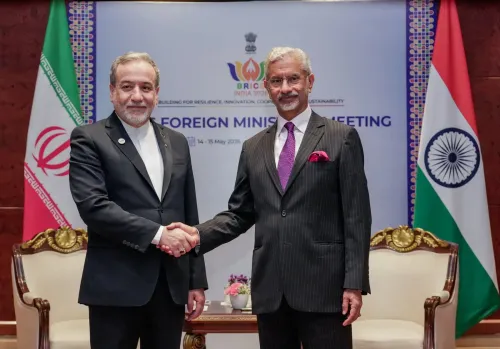
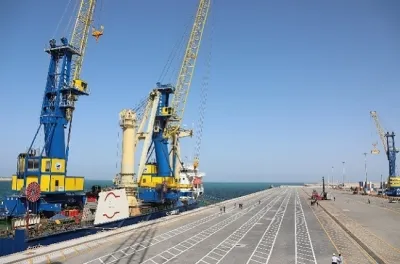
Iranian FM Seyed Abbas Araghchi acknowledged at the BRICS Foreign Ministers Meeting on 15 May that US sanctions have slowed Chabahar Port development.
Araghchi described Chabahar as a 'golden gate' linking India to Central Asia, the Caucasus, and Europe .
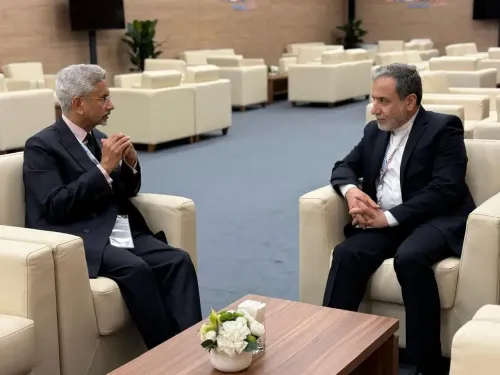
During his India visit, Araghchi also met PM Modi and EAM S.
Jaishankar , discussing the Strait of Hormuz and West Asia situation.
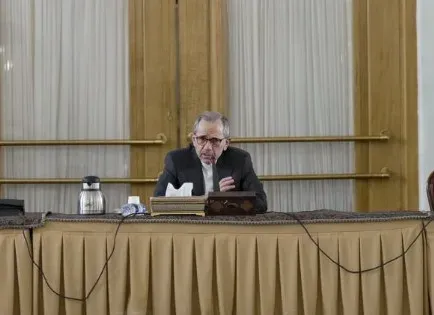
Foreign Secretary Vikram Misri on Monday, 25 May received a call from Iran's Deputy Foreign Minister for Political Affairs, Majid Takht Ravanchi, during which the two senior diplomats reviewed ongoing regional developments and the state of India-Iran bilateral cooperation. The conversation underscores New Delhi's sustained diplomatic engagement with Tehran at a time of heightened tensions across West Asia.
What Was Discussed
According to Ministry of External Affairs (MEA) spokesperson Randhir Jaiswal, who posted on X, the call centred on 'recent developments in the region and a review of bilateral cooperation.' No further details of the specific agenda were disclosed officially, though the conversation comes against the backdrop of continuing volatility in the Persian Gulf and the Strait of Hormuz.
Chabahar Port: A Strategic Flashpoint
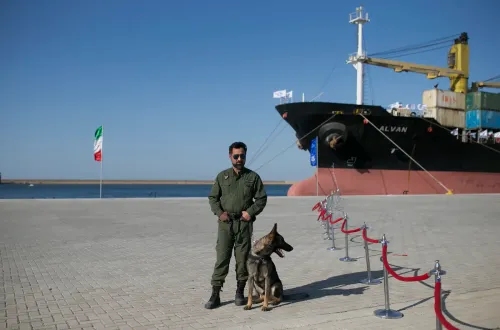
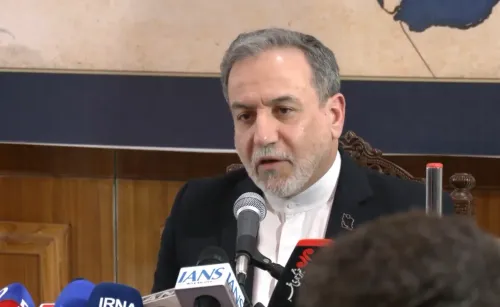
The call follows remarks made by Iranian Foreign Minister Seyed Abbas Araghchi at the BRICS Foreign Ministers Meeting in New Delhi on 15 May, where he acknowledged that progress on Chabahar Port has been hampered by US sanctions. Araghchi nonetheless expressed confidence that India would press ahead with its role at the port, describing it as 'a golden gate for India to access Central Asia, the Caucasus and then Europe through this transit route.'
He added that the port would equally serve as a corridor for Europeans and Central Asians seeking access to the Indian Ocean — framing Chabahar not merely as a bilateral project but as a regional connectivity hub. India has invested significantly in the port's development, viewing it as a sanctions-compliant route to bypass Pakistan and reach Afghanistan and beyond.
Araghchi's New Delhi Visit
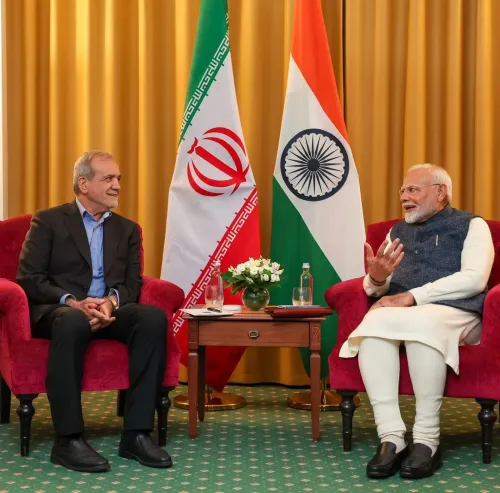
During his May visit to India, Araghchi held meetings with Prime Minister Narendra Modi and External Affairs Minister S. Jaishankar. The discussions reportedly covered the situation in West Asia, the Strait of Hormuz, and broader regional security concerns. Tehran, according to Araghchi, 'attaches great importance to its relations with India,' noting that both countries share converging interests in the Persian Gulf.
Why This Matters
India's engagement with Iran is a careful balancing act — New Delhi must weigh strategic interests in Chabahar and energy access against the risk of secondary sanctions from Washington. This is the second high-level India-Iran diplomatic interaction in May alone, signalling that both sides are keen to keep channels open despite external pressure. Notably, the BRICS platform has increasingly become a venue for India and Iran to coordinate positions, even as the two countries navigate divergent alignments on global issues.
With West Asian tensions showing no sign of abating, the frequency of diplomatic contacts between New Delhi and Tehran is likely to increase in the weeks ahead.
Point of View
Which makes every US sanctions tightening a direct hit on Indian strategic interests. What mainstream coverage underplays is the BRICS angle: India is increasingly using that platform to sustain ties with sanctioned states without triggering Washington's ire. The real question is whether quiet diplomacy can hold the Chabahar project together long enough for a geopolitical window to reopen.
NationPress
9 Oct 2026
Frequently Asked Questions
Why did Iran's Deputy Foreign Minister call India's Foreign Secretary?
Iran's Deputy Foreign Minister Majid Takht Ravanchi called Foreign Secretary Vikram Misri on 25 May to discuss recent regional developments and review the state of India-Iran bilateral cooperation. The call reflects sustained diplomatic engagement between the two countries amid ongoing tensions in West Asia.
What is the current status of Chabahar Port?
Chabahar Port's development has been slowed by US sanctions, according to Iranian Foreign Minister Seyed Abbas Araghchi, who made the acknowledgement at the BRICS Foreign Ministers Meeting in New Delhi on 15 May. Despite this, Araghchi expressed confidence that India would continue its work at the strategic port.
Why is Chabahar Port strategically important for India?
Chabahar Port gives India a direct maritime and overland route to Afghanistan, Central Asia, and beyond, bypassing Pakistan entirely. Iranian FM Araghchi described it as a 'golden gate' that could also connect Central Asians and Europeans to the Indian Ocean, making it a key node in regional connectivity.
What did Iranian FM Araghchi discuss during his India visit in May?
During his visit to India in May, Araghchi met Prime Minister Narendra Modi and External Affairs Minister S. Jaishankar. Discussions covered the situation in West Asia, the Strait of Hormuz, and broader bilateral issues including Chabahar Port.
How does India balance its relationship with Iran given US sanctions?
India pursues a careful diplomatic balancing act, maintaining strategic ties with Iran — particularly over Chabahar Port and energy access — while avoiding actions that could trigger US secondary sanctions. Platforms like BRICS have provided a diplomatic space for India and Iran to engage without direct confrontation with Washington.