Bipartisan Support for Government Amid West Asia Crisis
Synopsis
As India grapples with the complexities of West Asian geopolitics, key political figures emphasize a united front on national interests. Despite differences, the dialogue highlights India's commitment to regional security and energy stability.
Key Takeaways
All-party support for India’s national interests despite political divisions.
Focus on India’s role in West Asian diplomacy .
Significant discussions on energy security .
Criticism of Pakistan's international actions.
Emphasis on securing maritime routes in the Strait of Hormuz .
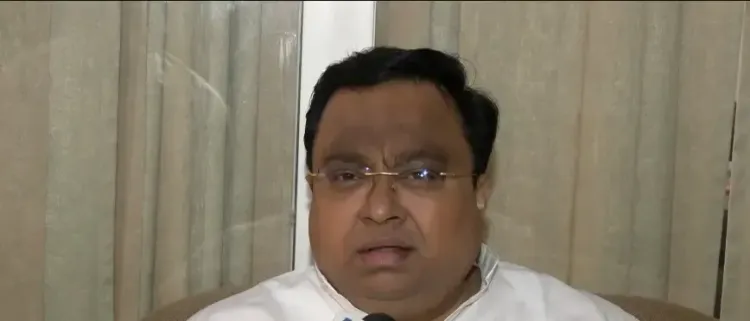
New Delhi, March 26 (NationPress) Following the all-party assembly regarding West Asia, Biju Janata Dal (BJD) MP, Sasmit Patra, alongside BJP spokesperson Pratul Shahdeo, has shared their insights on India’s diplomatic approach and regional security, emphasizing India's increasing influence in global matters.
In an interview with IANS, Patra referred to historical instances of regional diplomacy when he said, “In 1981, as tensions between Iran and the United States escalated, Pakistan established a minor communication channel with Iran. This channel was utilized for messages between Iran and the U.S. during critical times like 1971 and 1981, and it remains relevant today.”
He asserted, “Pakistan is unable to match India on any international stage—be it in economics or any other domain, now or in the future.”
Highlighting India’s commitment to safeguarding maritime routes, Patra stated, “Indian vessels are receiving secure passage through the Strait of Hormuz, and India has extended protection to certain Iranian naval fleets. Although ships bound for Sri Lanka faced issues, those in India remained secure. My party is always prepared to support the nation, regardless of our political differences with the government; when it comes to India, we unite.”
Patra also detailed the all-party meeting's agenda, which focused on two key topics: India’s diplomatic stance on the West Asia conflict and the nation’s energy security, particularly concerning oil and natural gas availability.
“Opposition members raised numerous inquiries on both subjects, specifically regarding India’s involvement in the West Asia conflict and the domestic supplies of petroleum, oil, and natural gas,” he mentioned.
Reacting to External Affairs Minister S. Jaishankar's remarks during the meeting, SP MP Virendra Singh commented, “The reality is we are not a broker nation like Pakistan...”
In contrast, BJP spokesperson Pratul Shahdeo took a firmer stance on Pakistan’s international actions, stating, “Globally, the nation most involved in diplomatic interference is Islamabad. Pakistan even offered bases to the U.S. for operations against Muslims in Iran. This is merely a performance. First, focus on securing your own borders before addressing other matters,” he asserted.
The discussions during the all-party meeting occurred at a crucial moment as India navigates the intricate dynamics of West Asian geopolitics while ensuring energy security amid global uncertainties.
Post-meeting, Parliamentary Affairs Minister Kiren Rijiju remarked that the discussions were thorough, addressing both government initiatives and Opposition proposals.
“I have carefully noted all suggestions from the Opposition parties, along with government perspectives. All queries and confusions were clearly clarified by the government. At the conclusion of the meeting, Opposition parties expressed their gratitude to the government for convening this all-party assembly and emphasized that in these challenging circumstances, unity is essential,” he stated.
Point of View
Highlighting the convergence of political parties on national interests, despite their differences. It underscores the importance of cooperation in addressing regional security and energy challenges.
NationPress
20 Sept 2026
Frequently Asked Questions
What was discussed in the all-party meeting regarding West Asia?
The meeting focused on India’s diplomatic position in the West Asia conflict and energy security concerning oil and natural gas availability.
How does India view Pakistan's role in international diplomacy?
Indian leaders expressed that Pakistan cannot compete with India on the international stage and criticized its diplomatic interference.
What is the significance of the Strait of Hormuz for India?
The Strait of Hormuz is crucial for India's maritime routes, as it ensures safe passage for Indian ships, which is vital for energy security.
What was the response of the Opposition parties during the meeting?
Opposition parties raised various questions regarding India's role in the West Asia conflict and the domestic supply of petroleum and natural gas.
What did the Parliamentary Affairs Minister say after the meeting?
Kiren Rijiju noted that the discussions were extensive and emphasized the importance of unity among political parties in challenging times.