Is India Approaching a Naxal-Free Future?
Synopsis
As the March 31 deadline looms, the Indian government claims significant progress in eliminating Naxalism. Union Home Minister Amit Shah's declaration and the ongoing operations signal a decisive moment in the battle against this insurgency. Will India finally achieve its goal of being Naxal-free?
Key Takeaways
India is on the verge of becoming Naxal-free by March 31.
Only two out of four Naxalite leaders remain actively engaged.
Many current Naxalites may surrender due to lack of ideological commitment.
Intelligence agencies are monitoring attempts to revive Naxalism in urban areas.
Significant successes have been achieved in combating Naxalism in recent years.
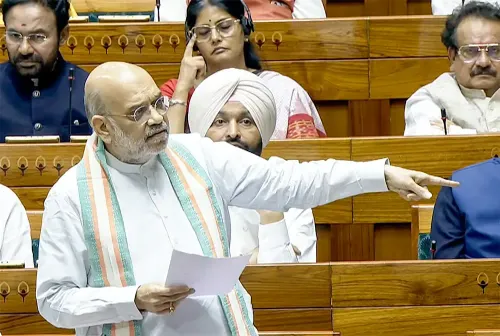
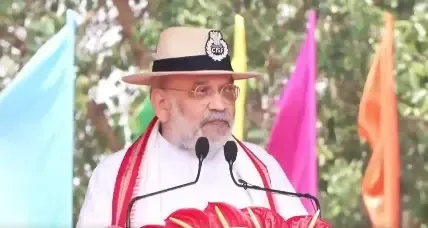
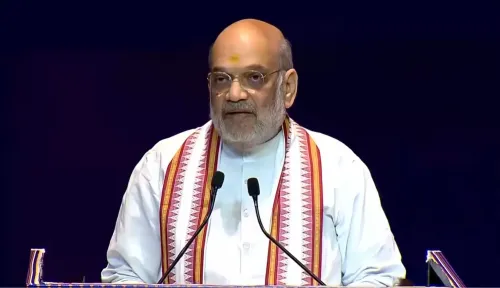
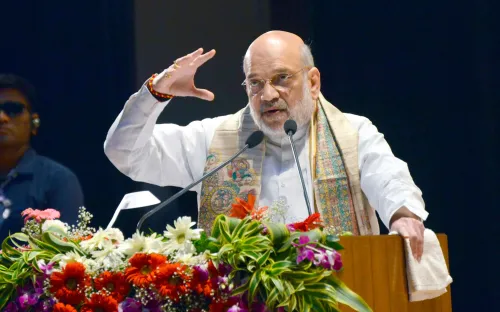
New Delhi, Feb 4 (NationPress) As the deadline of March 31 draws near, the battle against Naxalism is reaching its concluding phase. Union Home Minister Amit Shah has asserted that India is set to become naxal-free by the end of this month, presenting the remaining Naxalites with two stark choices: surrender or face death.
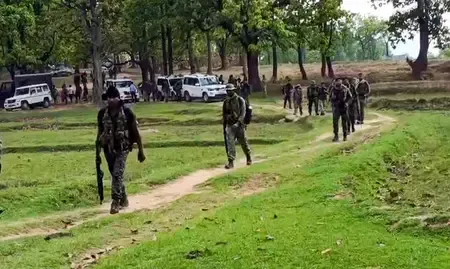
According to officials, the operations aimed at eradicating Naxalism have progressed to their final stages. Intelligence reports indicate that only two out of the four principal leaders are still actively involved. The focus of this decisive operation will be to either eliminate or secure the surrender of these key figures.
The four prominent Naxalite leaders include Thippiri Tirupathi, Muppala Laxman Rao, Misir Besra, and Asim Mondal. An official from the Intelligence Bureau noted that among these, only Tirupathi and Besra are inclined to continue the fight. Rao is unable to engage due to his advanced age, and Mondal seems disinterested in further conflict. Officials believe that both Rao and Mondal may opt to surrender.
Many Naxalites and their supporters have advised Tirupathi to lay down arms, yet he remains resolute in his commitment to resistance. The current operations will specifically target Besra and Tirupathi, according to officials.
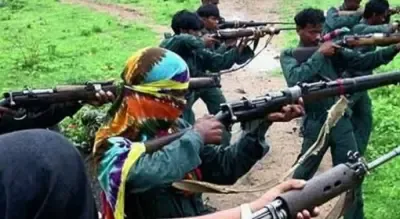
Although approximately 200 armed Naxalites are still in the field, the primary goal of the security forces is to capture the four leaders. Officials suggest that their apprehension could lead to the immediate surrender of the remaining members of the movement.
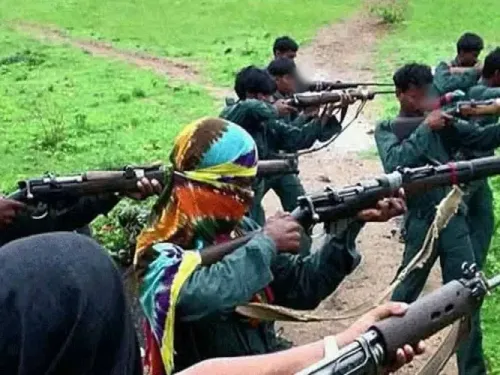
Regarding the armed cadre, security forces are optimistic about neutralizing them. Many individuals involved are not zealots of the ideology; instead, they have been coerced into joining or motivated by financial gain. This circumstance increases the likelihood of their surrender without resistance, as they do not truly believe in the cause.
Of the 200 Naxalites, a significant majority are situated in Chhattisgarh, with only about 40-50 spread across Odisha, Jharkhand, Maharashtra, and Telangana.
In recent months, Intelligence agencies have detected attempts to revitalize the Naxalite movement. Tirupathi, who has been adamant about not surrendering, sought to engage his peers in discussions about reviving their efforts, but these attempts were largely unsuccessful.
Meanwhile, there have been efforts to propagate Naxalite ideology in urban areas. During a protest addressing pollution in Delhi, banners supporting the Naxalite agenda were observed. Intelligence agencies are cautioning that as the movement dissipates in rural areas, efforts will intensify to sustain its existence within urban settings by infiltrating protests and inciting violence.
From 2025 to 2026, security forces made significant strides in combating Naxalism. High-profile leaders, including Basavaraj, were eliminated, while numerous others surrendered. At least five members of the Politburo survived before security forces dealt a substantial blow to the Naxalite agenda.
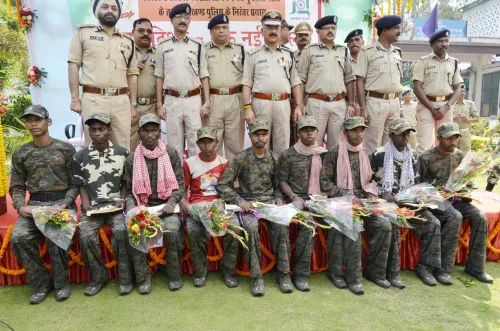
The most notable setback for the movement occurred with the surrender of senior figures like Mallojula Venugopal Rao, Chandranna, Raider, and Rupesh, who were pivotal in leading the movement for years. Their capitulation prompted a wave of surrenders among their followers. Leading up to these events, security forces also confiscated a large stockpile of arms and ammunition, further crippling the Naxalite initiative.
Point of View
It is crucial to remain vigilant about the potential resurgence of Naxalite ideology in urban areas. As a nation, we must support efforts to ensure peace and stability while addressing the underlying issues that fuel such movements.
NationPress
27 Sept 2026
Frequently Asked Questions
What is the current status of Naxalism in India?
Naxalism in India is reportedly in its final stages, with security operations intensifying as the March 31 deadline approaches for a Naxal-free declaration.
Who are the key Naxalite leaders still active?
The primary Naxalite leaders still active include Thippiri Tirupathi and Misir Besra, while Muppala Laxman Rao and Asim Mondal are likely to surrender.
What are the options presented to Naxalites?
Union Home Minister Amit Shah has stated that Naxalites face two choices: surrender or be killed.
Where are the majority of Naxalites located?
Most Naxalites, approximately 200, are located in Chhattisgarh, while smaller numbers are found in Odisha, Jharkhand, Maharashtra, and Telangana.
What efforts are being made to counter Naxalism?
Security forces are focused on capturing Naxalite leaders and are optimistic that many members will surrender without resistance, as their involvement is often coerced.