Is India Ready for All Scenarios as Bangladesh Heads to the Polls?
Synopsis
With elections approaching in Bangladesh, India is urged to prepare for all potential outcomes. This comes amid rising anti-India sentiment and the strengthening of Islamist factions, raising concerns about political stability and regional security.
Key Takeaways
India must remain vigilant as Bangladesh approaches elections.
A surge in anti-India sentiment is concerning.
Islamist groups have increased their activities.
Pakistan's influence in Bangladesh is reportedly growing.
Political stability in Bangladesh is vital for regional security.
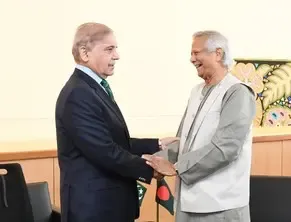
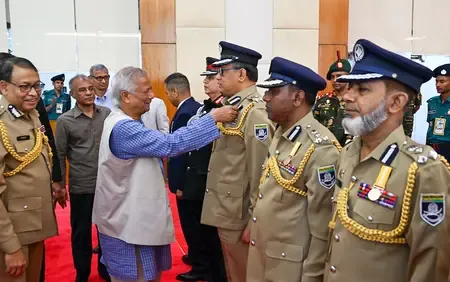
Dhaka/New Delhi, Feb 9 (NationPress) After adjusting its strategy to a more pragmatic and functional approach since the interim government led by Muhammad Yunus took charge in Dhaka, India must prepare itself for every potential outcome as Bangladesh prepares for elections this week.
"With the elections in Bangladesh nearing, India needs to anticipate all possibilities and work to enhance strategic trust while countering any negative influence in Dhaka. The overarching goal is to make Yunus’s administration aware of the significant repercussions of disregarding New Delhi. Hence, India must stay alert to all eventualities as operational space continues to diminish, particularly following the recent surge in violence," noted a report from India Narrative.
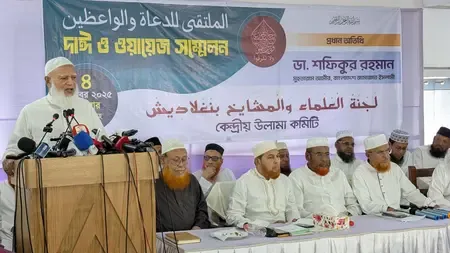
Analyst Srijan Sharma pointed out the recent rise in anti-India sentiment and the strengthening of Islamist factions in Bangladesh, particularly the Jammatis, who have been actively targeting media outlets, Hindus, and Awami League offices in the lead-up to the February 12 elections. He observed that these developments echo tactics seen in 2001.
Sharma elaborated, stating that during the 2001 elections, Dhaka experienced pre-election violence driven by BNP-Jammat supporters, leading to widespread attacks on Hindus and Awami League members.
"This fostered an anti-Awami League sentiment in the electoral climate of 2001, indirectly paving the way for an anti-India narrative. The atmosphere became charged, resulting in Sheikh Hasina's ousting and the rise of the BNP, which was backed by Islamic factions. In 2001, the Jammati-E Islammi party, closely aligned ideologically with Pakistan, played a pivotal role in inciting violence against Hindus and the Awami League," Sharma wrote in India Narrative.
He further commented that the violence persisted during the BNP rule, particularly in southeastern Dhaka, targeting Hindus. Notably, after the BNP regained power, activities of ULFA-1 in Northeast India increased significantly, as the BNP government permitted ULFA-1 to operate from Bangladesh's borders and offered them safe havens. The notorious Chittagong Arms Haul in 2004 exemplified how Bangladesh was cultivating a conducive environment for anti-India operations.
A similarly intensified anti-India sentiment is emerging in Bangladesh this time, with reports suggesting Pakistan's involvement in pre-election violence.
"There is a strong possibility that Pakistan’s intelligence agency, ISI, may have sponsored or executed the murder of student leader Osman Bin Hadi. Complicating India's security landscape further, Pakistan is rumored to be planning to rehabilitate ULFA-I Chief Paresh Baruah in Bangladesh," the report stated.
Sharma observed that Bangladesh's shift towards Pakistan is evident, with Islamabad strengthening its political and diplomatic foothold in Dhaka.
Highlighting four high-profile visits by Pakistani military and intelligence personnel to Dhaka last year, the report indicates that the Yunus government has been actively working to bolster ties with Pakistan since the ousting of former Prime Minister Sheikh Hasina.
Point of View
It is essential to acknowledge the evolving political landscape in Bangladesh. While India's focus on strategic relations is critical, it should also promote a stable and democratic environment in the region. Observing the developments closely is paramount, as the implications extend beyond borders.
NationPress
30 Sept 2026
Frequently Asked Questions
What is the significance of the upcoming elections in Bangladesh?
The elections are pivotal as they could reshape the political dynamics in Bangladesh and influence India's diplomatic relations with its neighbor.
How might the elections impact India-Bangladesh relations?
The outcome could either strengthen ties if a pro-India party wins or lead to increased tensions if anti-India sentiment prevails.
What role does Pakistan play in the current political climate in Bangladesh?
Reports suggest Pakistan is increasing its influence in Bangladesh, potentially complicating India's strategic interests in the region.
What are the concerns regarding violence leading to the elections?
There are rising worries about pre-election violence, particularly from Islamist groups, which could destabilize the region.
How should India respond to these developments?
India should remain vigilant and adaptable, fostering strategic trust while preparing for all possible scenarios.