Is India Banking on Green Ports to Drive Maritime Growth?

Synopsis
India is on the verge of a maritime revolution, transforming its ports into sustainable hubs. With a focus on green growth, the country is redefining its approach to maritime governance, ensuring that economic expansion does not compromise environmental integrity. Discover how India aims to align port development with ecological sustainability and global competitiveness.
Key Takeaways
India's ports are crucial for nearly 95% of external trade.
The Indian Ports Act, 2025, introduces environmental safeguards.
Ports aim to cut carbon emissions by 30% by 2030.
Cleaner operations will benefit local communities.
Maritime India Vision 2030 prioritizes sustainability.
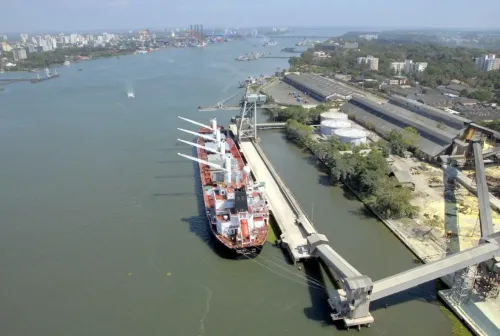
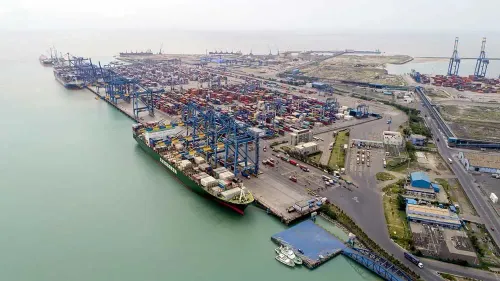
New Delhi, Dec 28 (NationPress) India's vision of becoming a formidable maritime force is no longer a distant ambition; it is evident along its extensive 7,500-kilometre coastline.
Ports that were once simple trade points have transformed into bustling centers of economic activity, managing increasing cargo volumes and bolstering India's initiatives in manufacturing, exports, and global competitiveness, according to the India Narrative report.
However, as port operations intensify, a pressing concern arises: how can this development continue without jeopardizing delicate coastal ecosystems and exacerbating climate change?
India's solution is becoming increasingly apparent. Policymakers are recognizing that green growth is not a hindrance to progress, but rather the essential path to ensure sustainable development in the future.
According to the report, ports are responsible for nearly 95 percent of India's external trade by volume, highlighting their critical role in the economy.
In the last decade, cargo handled at major ports has surged dramatically, climbing from approximately 581 million tonnes to nearly 855 million tonnes. This surge reflects a robust manufacturing sector and deeper integration into global supply chains.
Simultaneously, ports contribute significantly to air pollution, water contamination, and carbon emissions, often situated near sensitive areas like mangroves, wetlands, coral reefs, and densely populated coastal cities.
A significant transformation is already in progress. The enactment of the Indian Ports Act, 2025, which replaces the colonial-era Ports Act of 1908, signifies a pivotal moment in maritime governance.
Now, environmental protections are directly embedded within the legal framework, establishing sustainability as a fundamental requirement rather than merely an optional addition. This shift is reinforced by long-term planning that aligns port expansion with climate accountability.
At the heart of this strategy is the Maritime India Vision 2030, which prioritizes sustainability in port-led development. This is supported by the Harit Sagar Green Port Guidelines, which outline clear and measurable objectives.
Ports are expected to reduce carbon emissions per tonne of cargo by 30 percent by 2030, electrify a significant portion of their equipment, and acquire more than 60 percent of their energy from renewable sources.
These objectives are set to further escalate toward 2047, indicating that the transition to greener practices is a continuous journey, not a one-off initiative.
Additionally, ports are advancing towards cleaner operational methods. Shore-to-ship power systems enable vessels to power down their diesel engines while docked, significantly lowering air pollution in adjacent cities.
Electrified cranes, vehicles, and cargo-handling machinery diminish noise levels, reduce fuel expenditures, and enhance worker safety.
These advancements yield direct benefits to local communities that have long endured the environmental consequences of port activities.
Water stewardship and biodiversity conservation are becoming increasingly vital. Ports utilize vast amounts of freshwater and produce wastewater and dredged materials.
New methodologies emphasize recycling wastewater, minimizing discharge, and reusing dredged materials for construction or coastal defense.
Initiatives to restore mangroves and enhance green cover contribute to carbon absorption and safeguard shorelines against storm surges and erosion, which are becoming more frequent due to climate change.
Point of View
It is crucial to recognize that India's maritime ambitions must coexist with environmental sustainability. The nation is embarking on a transformative journey towards integrating green practices in port operations, reflecting a commitment to global competitiveness while safeguarding its coastal ecosystems.
NationPress
11 Oct 2026
Frequently Asked Questions
What is the significance of the Indian Ports Act, 2025?
The Indian Ports Act, 2025, replaces the outdated colonial-era Ports Act, marking a pivotal shift in maritime governance by embedding environmental safeguards directly into the legal framework.
How much cargo do Indian ports handle?
Indian ports handle approximately 95 percent of the country's external trade by volume.
What are the targets set for carbon emissions by 2030?
Ports are expected to reduce carbon emissions per tonne of cargo by 30 percent by 2030, alongside increasing their use of renewable energy.
How are ports contributing to local communities' well-being?
The shift towards cleaner operations and sustainable practices directly benefits local communities by reducing pollution and enhancing environmental quality.
What role does the Maritime India Vision 2030 play?
The Maritime India Vision 2030 places sustainability at the core of port-led development, guiding India's maritime strategy toward greener practices.