India pivoting to preventive, precision healthcare: Dr Jitendra Singh at Health Summit 2026
Synopsis
India's Science and Technology Minister Dr Jitendra Singh used THE WEEK Health Summit 2026 to signal a national pivot: away from reactive treatment and toward prevention, genomics, and precision medicine. With lifestyle diseases now hitting younger Indians across urban and rural areas alike, and over 50 lakh girls already vaccinated under the HPV initiative, the minister framed this shift as essential to the Viksit Bharat 2047 vision.
Key Takeaways
Dr Jitendra Singh addressed THE WEEK Health Summit 2026 in New Delhi on 22 November 2026 .
India is shifting from treatment-based to preventive and precision medicine approaches, with research moving to molecular and genetic levels.
Lifestyle diseases — diabetes, obesity, hypertension, cardiovascular disease — are increasingly diagnosed in younger Indians across urban and rural areas.
More than 50 lakh adolescent girls have been vaccinated under India's national HPV vaccination initiative to combat cervical cancer.
India's indigenous DNA vaccine developed during Covid-19 was cited as evidence of the country's strengthening vaccine research ecosystem.
The minister called for broader public participation in prevention, beyond the healthcare system alone.
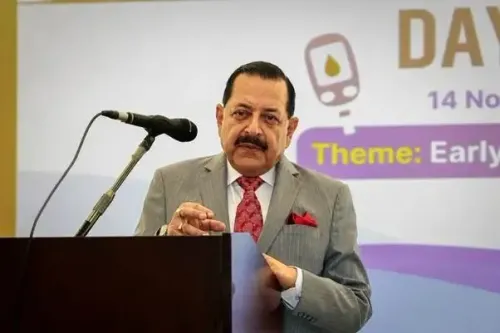
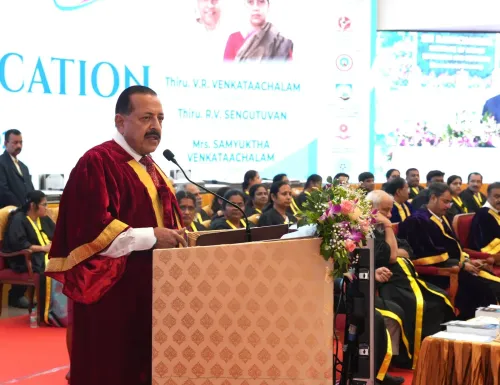
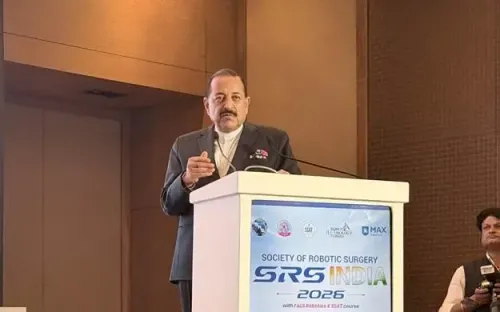
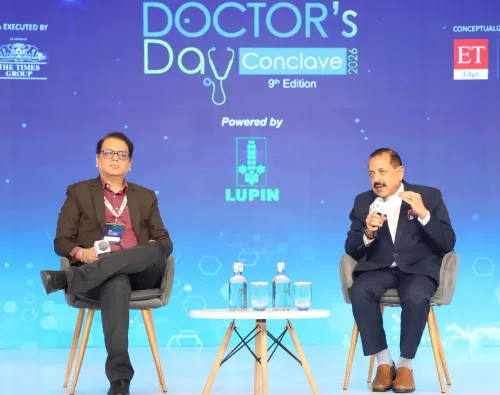
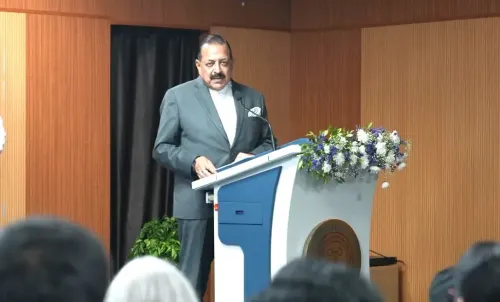
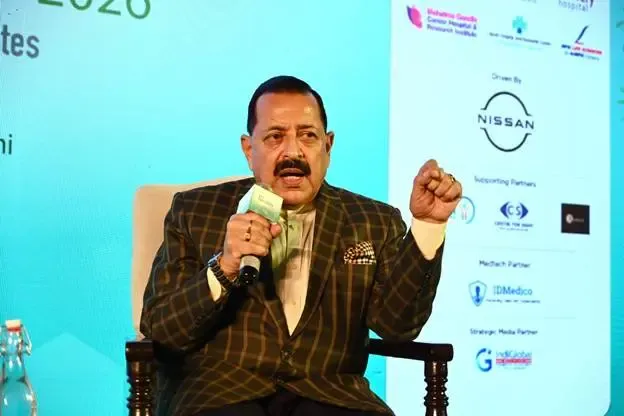
Union Minister of State (Independent Charge) for Science and Technology Dr Jitendra Singh on Sunday, 22 November 2026 said India is making a decisive shift toward a preventive and precision-driven healthcare model, as metabolic and lifestyle-related diseases increasingly strike younger populations. He was addressing THE WEEK Health Summit 2026 in New Delhi.
The Shift Away from Treatment-First Medicine
Dr Singh said India's healthcare thinking is evolving well beyond conventional treatment-based approaches, with scientific research now moving toward molecular, genetic, and preventive interventions. He described the transition as a move toward a 'futuristic healthcare approach' that places greater weight on early detection, precision medicine, and advanced research at molecular and genetic levels.
'India is moving towards a futuristic healthcare approach with research focus shifting to prevention through futuristic strategies that places greater emphasis on prevention, early detection and advanced research at molecular and genetic levels, as metabolic disorders and lifestyle-related diseases increasingly affect younger populations,' the minister stated.
Rising Burden of Lifestyle Diseases Among the Young
Speaking before an audience of healthcare professionals, researchers, and industry representatives, the minister highlighted the growing burden of conditions such as diabetes, obesity, hypertension, and cardiovascular diseases. He attributed the trend to changing dietary habits, reduced physical activity, and the spread of lifestyle-related health risks across both urban and rural India.
'Diabetes, obesity, hypertension and cardiovascular diseases are increasingly affecting younger people, making preventive healthcare and early detection imperative,' Dr Singh noted. This is particularly significant given that India's youth population is central to the country's long-term economic productivity and the vision of Viksit Bharat 2047.
Prevention as a Shared Public Responsibility
Dr Singh stressed that the responsibility for prevention cannot rest with doctors and hospitals alone. He called for broader public participation, awareness campaigns, and meaningful behavioural changes at the individual and community level. Early detection and preventive healthcare, he said, will be the central pillars in managing India's future disease burden.
Biotechnology, Genomics and Vaccine Advances
The minister pointed to India's growing investments in biotechnology, genomics, and molecular science as enabling more targeted diagnostic and therapeutic approaches. He also underscored India's expanding global role in vaccine development, citing the country's indigenous DNA vaccine developed during the Covid-19 pandemic as a marker of its research capability.
He further referenced the national HPV vaccination initiative, under which more than 50 lakh adolescent girls have already been vaccinated, as a concrete example of preventive healthcare in action aimed at reducing the incidence of cervical cancer.
As India's disease profile tilts younger, the emphasis on research-backed prevention over reactive treatment will define the country's healthcare trajectory in the years ahead.
Point of View
And genomics-led precision medicine is a proven frontier globally. But the gap between ministerial vision and ground-level primary healthcare infrastructure remains wide. Prevention requires sustained community health workers, digital health literacy, and affordable diagnostics at the last mile — none of which were detailed in the summit address. The HPV vaccination figure of 50 lakh girls is a genuine achievement, yet cervical cancer mortality in India remains among the highest in the world, underscoring the distance between headline programmes and population-level outcomes. If Viksit Bharat 2047 is to be anchored in a healthy workforce, the precision medicine vision needs an equally precise implementation roadmap.
NationPress
22 Nov 2026
Frequently Asked Questions
What did Dr Jitendra Singh say about India's healthcare model at THE WEEK Health Summit 2026?
Dr Jitendra Singh said India is shifting from a treatment-first approach to a preventive and precision-driven healthcare model, with research increasingly focused on molecular, genetic, and genomic interventions. He highlighted lifestyle and metabolic diseases as a growing crisis among younger Indians.
Why are lifestyle diseases a growing concern among younger Indians?
According to Dr Singh, changing dietary habits, reduced physical activity, and the spread of lifestyle-related health risks across urban and rural India are driving earlier diagnoses of conditions like diabetes, obesity, hypertension, and cardiovascular disease. This trend threatens India's long-term economic and demographic dividend.
How many girls have been vaccinated under India's HPV vaccination initiative?
More than 50 lakh adolescent girls have been vaccinated under India's national HPV vaccination programme, according to Dr Jitendra Singh. The initiative is part of efforts to reduce the incidence and mortality from cervical cancer in India.
What role does biotechnology and genomics play in India's new healthcare strategy?
India is investing in biotechnology, genomics, and molecular science to enable more precise diagnoses and targeted treatments. Dr Singh said advances in these fields are improving the country's ability to tackle complex health conditions, with India's Covid-19 DNA vaccine cited as evidence of this growing capability.
What is the connection between preventive healthcare and Viksit Bharat 2047?
Dr Singh framed the shift to preventive healthcare as directly aligned with the Viksit Bharat 2047 vision, arguing that safeguarding the health of India's youth is critical for the country's long-term development. A healthier, productive young population is seen as foundational to India's growth ambitions by 2047.