Innovation vs agitation: The defining choice for India's youth in 2025
Synopsis
India's youth are being pulled in two directions at once: toward the laboratories and launchpads that produced Vikram-1 and the hydrogen train, and toward protest sites where political parties are working to convert exam-system anger into electoral capital. The NEET-UG 2026 paper leak is a real and serious failure — but the question of who benefits from keeping young Indians angry, versus who benefits from helping them build, is the deeper contest of this moment.
Key Takeaways
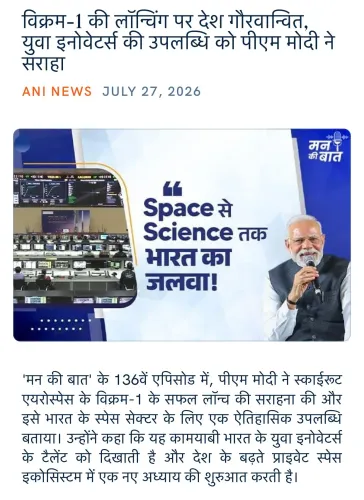
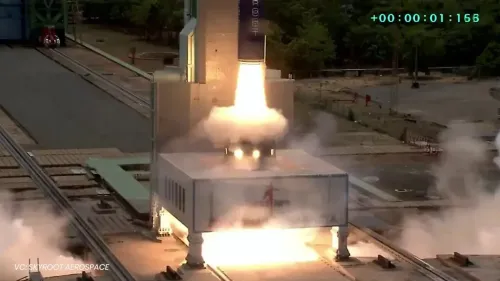
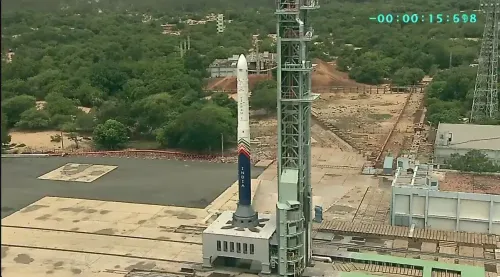
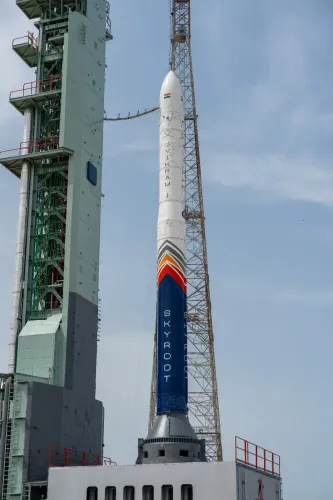
Skyroot's Vikram-1 rocket, developed largely by engineers under 28 , carried a 'Vande Mataram' postcard into space — a symbol PM Modi linked to the song's 150th anniversary .
India also celebrated the launch of its first hydrogen-powered train , marking twin technological milestones.
The NEET-UG 2026 paper leak has shaken student confidence nationwide; recent arrests exposed a deep-rooted racket within the examination system.
Rahul Gandhi and Congress have mobilised around the paper leak issue, with an eye on 2029 Lok Sabha elections and upcoming state polls in Punjab and Uttar Pradesh .
Major opposition parties, including Congress, TMC, SP and AAP, were absent from Sonam Wangchuk's hunger strike for nearly a fortnight before arriving after a Delhi High Court order on 16 July .
Structural reform of India's examination system — independent oversight, secure protocols — remains the non-negotiable demand of students and families.
India is locked in a contest for the imagination of its youth — and the outcome will shape the nation's trajectory far beyond the next election cycle. On one side stand young engineers, scientists and entrepreneurs pushing technological frontiers. On the other, political forces are working to channel youthful energy into sustained agitation. Both are competing for the same generation, and the stakes could not be higher.
Vikram-1 and the Innovation Signal
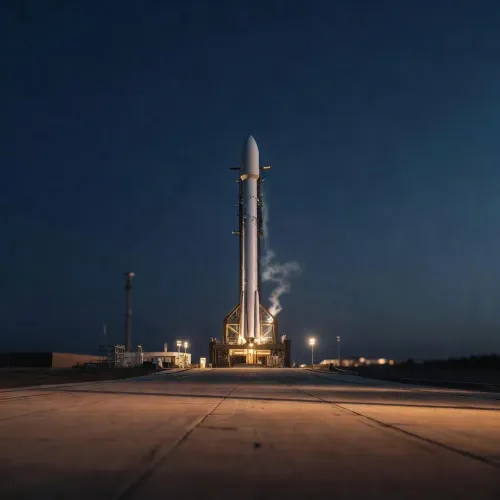
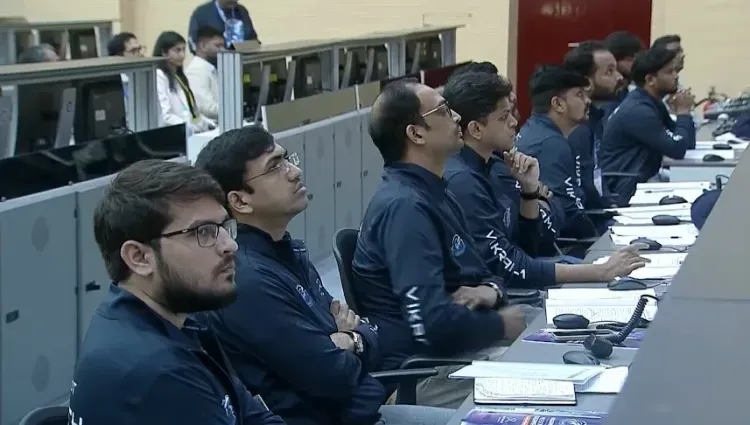
The symbolism of Skyroot's Vikram-1 rocket launch was difficult to miss. Among its payloads was a handwritten postcard bearing the words 'Vande Mataram' — a detail that Prime Minister Narendra Modi highlighted by noting that 2025 marks the 150th anniversary of the national song. The rocket itself was developed largely by a team of young engineers, most of them under the age of 28.
The launch coincided with India celebrating another milestone: the country's first hydrogen-powered train. Together, the two achievements carried an unmistakable message — that Indian talent, when given the right environment, is capable of building and competing with the best in the world. Vikram-1 places India among a handful of countries where private firms have successfully developed orbital-class launch vehicles.
The NEET-UG 2026 Controversy and Its Political Afterlife
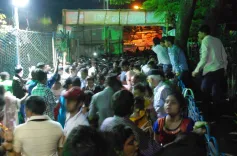
At the same time, Jantar Mantar in New Delhi has become a focal point for a different kind of energy. The NEET-UG 2026 paper leak controversy has shaken the confidence of lakhs of students and their families across India, and rightly so. Recent arrests in the case have exposed the depth of the racket, implicating individuals who were themselves entrusted with safeguarding the examination process.
The demand for structural reform is justified. Examinations must be made secure, transparent and beyond manipulation — that is the minimum owed to students whose careers hinge on a fair system. However, paper leaks are not a new phenomenon; they have plagued India's examination architecture for decades, spanning the tenures of successive governments. What has consistently been absent is a robust institutional mechanism to dismantle the networks that operate within the system itself.
Opposition Mobilisation and the Wangchuk Episode
Congress leader Rahul Gandhi has organised events around the paper leak issue, seeking to convert student grievances into a political movement ahead of the 2029 Lok Sabha elections and state elections in Punjab and Uttar Pradesh. Gandhi, who had spent nearly 20 days abroad, also moved to reclaim political visibility ahead of the Monsoon Session of Parliament.
The episode around activist Sonam Wangchuk's hunger strike at Jantar Mantar, which began on 28 June, is instructive. For nearly the first fortnight, no major opposition party — including the Indian National Congress (Congress), Samajwadi Party, All India Trinamool Congress (TMC), or Aam Aadmi Party (AAP) — deployed its youth wings for sustained protest at the site. Senior Congress leaders arrived at the venue only after the Delhi High Court's 16 July order directed authorities to take necessary steps to save Wangchuk's life. After Wangchuk was shifted to hospital, opposition leaders, including Gandhi, became vocal in their criticism of the government.
The Deeper Contest
There is a meaningful distinction between encouraging young people to demand accountability and reform — which is the lifeblood of democracy — and encouraging them to believe that agitation alone is the path to change. Both impulses exist on the same spectrum, but they lead to different destinations.
The contrast is sharpest when viewed side by side: young scientists filing patents and building rockets on one hand; political actors working to define youth identity primarily through anger and confrontation on the other. India's future will ultimately be shaped not only in Parliament or at protest sites, but in laboratories, classrooms, startups, universities and research centres where millions of young Indians quietly pursue ideas capable of transforming the nation.
What Needs to Happen
The examination system requires urgent and credible reform — independent oversight, technology-driven security protocols and accountability for those who compromise the process. That is non-negotiable. At the same time, the political class across party lines must resist the temptation to exploit student grievances purely for electoral gain, which historically deepens cynicism without delivering systemic change.
The battle for India's youth is ultimately a battle for its imagination — and those who shape it will determine whether the country's defining story in the coming decade is one of building or of reacting.
Point of View
But the political response has been conspicuously timed: opposition parties arrived at Wangchuk's protest only when a court order made the optics unavoidable. That pattern — latching onto genuine grievance at the moment of maximum visibility — risks reducing a structural problem into an electoral prop. India's examination system has leaked for decades across multiple governments; fixing it requires institutional redesign, not seasonal outrage. The more consequential question is whether the political class, across the aisle, can resist the incentive to keep young Indians in a permanent state of grievance — because a generation that believes only in agitation is also a generation that stops building.
NationPress
18 Oct 2026
Frequently Asked Questions
What is the NEET-UG 2026 paper leak controversy?
The NEET-UG 2026 paper leak refers to the alleged compromise of the national undergraduate medical entrance examination, shaking the confidence of lakhs of students and their families. Recent arrests have exposed a network of individuals, including those entrusted with safeguarding the exam, accused of leaking question papers for financial gain.
What is Skyroot's Vikram-1 rocket and why is it significant?
Vikram-1 is a privately developed orbital-class launch vehicle built by Skyroot Aerospace, largely by a team of engineers most of whom are under 28 years old. Its successful launch places India among a small group of countries where private companies have mastered this technology, and it carried a symbolic 'Vande Mataram' postcard into space.
Why did Rahul Gandhi get involved in the paper leak protests?
Congress leader Rahul Gandhi has organised events around the NEET-UG 2026 paper leak issue, reportedly seeking to convert student grievances into a broader political movement ahead of the 2029 Lok Sabha elections and upcoming state elections in Punjab and Uttar Pradesh. Gandhi had also returned from nearly 20 days abroad and was looking to regain political visibility before the Monsoon Session of Parliament.
What happened during Sonam Wangchuk's hunger strike at Jantar Mantar?
Activist Sonam Wangchuk began a hunger strike at Jantar Mantar on 28 June. For nearly the first fortnight, no major opposition party deployed sustained support. Senior Congress leaders and others arrived only after the Delhi High Court issued an order on 16 July directing authorities to take steps to save Wangchuk's life. After he was shifted to hospital, opposition leaders became more vocal in criticising the government.
What reforms are needed in India's examination system?
Experts and students are calling for independent oversight bodies, technology-driven security protocols for question paper management, and strict accountability for officials who compromise the process. Paper leaks have recurred across successive governments for decades, pointing to deep structural failures rather than isolated incidents.