Iran calls US economic blockade an act of war, vows to break it
Synopsis
Iran's Deputy Foreign Minister has declared the US economic blockade an act of war — not a diplomatic grievance — while simultaneously leaving the door open for Qatar-mediated talks. The simultaneous hardening of rhetoric and pursuit of back-channel diplomacy reflects Tehran's high-stakes balancing act as its nuclear programme remains unresolved and US pressure intensifies.
Key Takeaways
Iran declared the US economic blockade an act of war on 21 November 2026 , vowing to take all necessary measures to break it.
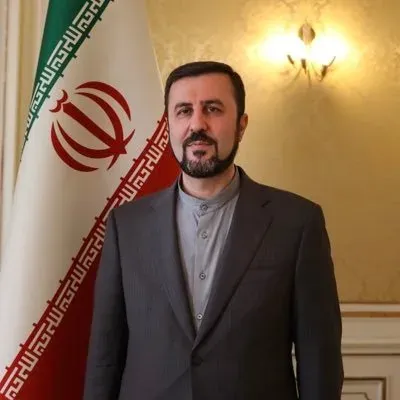
Deputy Foreign Minister Kazem Gharibabadi said Tehran would not accept economic pressure as a means of imposing political demands.
A Qatari delegation visited Tehran on Friday night for approximately two hours of diplomatic discussions.
Iran's formal two-day proposal, presented via Foreign Minister Abbas Araghchi to the Sultan of Oman , remains the only plan on the table.
Gharibabadi dismissed US allegations of a potential Iranian chemical weapons or dirty bomb plot as politically motivated.
No formal nuclear negotiations have begun; Tehran insists enriched material must not leave the country.
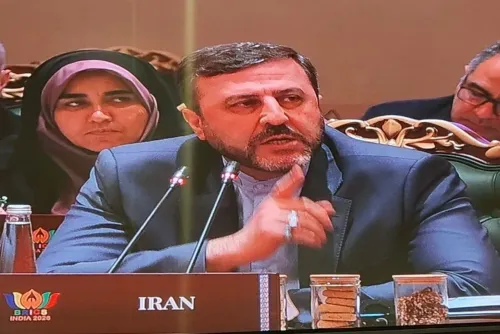
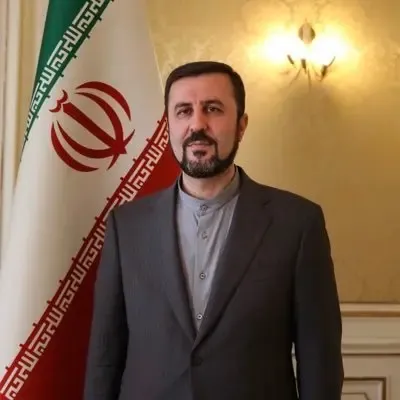
Iran has declared the United States economic blockade imposed on the country an act of war, with Deputy Foreign Minister for Legal and International Affairs Kazem Gharibabadi stating on Saturday, 21 November 2026 that Tehran would take all necessary measures to break it. The remarks, made to reporters and reported by Iran's state-run news agency IRNA, signal a sharp escalation in Iran's rhetorical posture toward Washington amid ongoing diplomatic efforts.
Iran's Position on Economic Pressure
Gharibabadi was unequivocal: Tehran would not accept economic pressure as a tool to impose political demands. He reiterated that Iran would respond to the blockade through what he described as 'appropriate measures,' without elaborating on their specific nature. The statement frames the sanctions regime not merely as a bilateral dispute but as an act of aggression under international law — a framing Tehran has increasingly adopted in recent months.
Qatar's Diplomatic Role
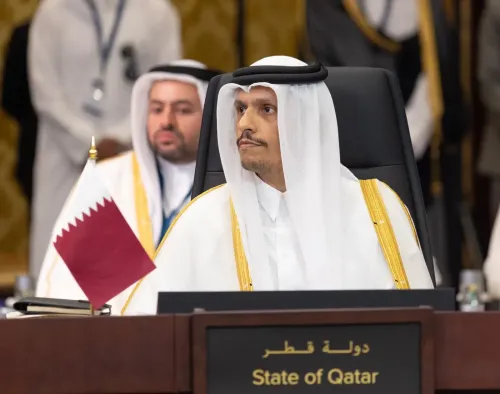
Despite the combative language, Gharibabadi confirmed that Tehran remains in contact with mediators, including Qatar, to explore whether diplomacy could be revived. A Qatari delegation visited Tehran on Friday night, holding approximately two hours of discussions before departing. Gharibabadi expressed appreciation for Qatar's role in facilitating communications between the parties — a channel that has historically served as a critical back-channel in US–Iran negotiations.
Iran's Formal Diplomatic Proposal
The Deputy Foreign Minister confirmed that a two-day proposal, previously presented by Foreign Minister Abbas Araghchi to the Sultan of Oman, remained on the table as Tehran's only formally submitted plan. He added that progress would depend on Washington meeting the requirements necessary for implementing the proposal — conditions he did not publicly detail.
Dismissal of US Chemical Weapons Allegations
Gharibabadi also addressed recent US allegations regarding the possibility of Iran using chemical weapons or a dirty bomb in Washington. He dismissed these claims as politically motivated, arguing they were intended to advance Washington's political and military objectives. He drew a parallel with earlier allegations about Iran's nuclear programme, asserting that 'not a single gram' of Iran's nuclear material had ever been diverted to military purposes, according to IRNA.
Nuclear Programme: No Negotiations Yet
On the nuclear front, Gharibabadi stated that no formal negotiations had yet begun. He reiterated Tehran's fundamental position that its enriched nuclear material must not be transferred outside the country — a red line that has consistently complicated efforts to revive the 2015 Joint Comprehensive Plan of Action (JCPOA). This comes amid broader international concern over Iran's expanding uranium enrichment capacity, which the International Atomic Energy Agency (IAEA) has flagged in successive reports. How the diplomatic track evolves in the coming days — particularly through Qatar's mediation — will be closely watched by global observers.
Point of View
Not because it has abandoned the table. The dismissal of chemical weapons allegations as a 'pattern' mirrors the pre-Iraq War playbook that Tehran has long cited — and invoking it now is a signal to European partners who remain wary of being drawn into another conflict based on contested intelligence. The nuclear red line on enriched material staying in-country is the real sticking point, and no amount of Qatari shuttle diplomacy resolves it without a fundamental shift in Washington's demands.
NationPress
21 Nov 2026
Frequently Asked Questions
Why has Iran called the US economic blockade an act of war?
Iran's Deputy Foreign Minister Kazem Gharibabadi declared on 21 November 2026 that Tehran considers the US-imposed economic blockade an act of war, arguing it constitutes coercive pressure to impose political demands. The framing positions any Iranian counter-measures as legally justified self-defence under international law.
What is Qatar's role in Iran-US diplomacy?
Qatar is serving as a mediator between Tehran and Washington, facilitating back-channel communications. A Qatari delegation visited Tehran on Friday night for approximately two hours of discussions, continuing a diplomatic role Qatar has historically played in US–Iran negotiations.
What is Iran's formal diplomatic proposal?
Iran's only formally submitted plan is a two-day proposal previously presented by Foreign Minister Abbas Araghchi to the Sultan of Oman. Deputy Foreign Minister Gharibabadi confirmed it remains on the table, with progress contingent on Washington meeting the conditions required to implement it.
Has Iran dismissed US allegations about chemical weapons?
Yes. Gharibabadi dismissed US claims about Iran potentially using chemical weapons or a dirty bomb in Washington as politically motivated, saying they follow the same pattern as earlier allegations about Iran's nuclear programme. He stated that 'not a single gram' of Iran's nuclear material had been diverted to military purposes.
Where do Iran's nuclear negotiations stand?
No formal nuclear negotiations have yet begun, according to Gharibabadi. Tehran's fundamental position is that its enriched nuclear material must not be transferred outside the country — a red line that has repeatedly complicated efforts to revive the 2015 JCPOA framework.