Iran, Oman finalise new Strait of Hormuz entry, exit routes ahead of Gulf meet
Synopsis
Iran and Oman have quietly redrawn the rules of passage through the world's most critical oil chokepoint. The new Hormuz routing places the entry lane entirely within Iranian territorial waters — a geopolitical win for Tehran that sidelines Washington's demand to keep the southern route open. With seven undisclosed conditions still blocking full reopening, Monday's Muscat briefing is a diplomatic flashpoint.
Key Takeaways
Iran and Oman finalised new entry and exit routes for the Strait of Hormuz in late August 2025 .
The Gulf's entry route reportedly lies entirely within Iranian territorial waters ; the southern route will be closed once the new system is operational.
Iran has set seven conditions for fully reopening the strait, which remain unmet.
Gulf foreign ministers will be briefed at a regional meeting in Muscat on Monday, 15 September .
The strait handles an estimated 20% of global oil supply and has been restricted since US-Israeli strikes on Iran on 28 February .
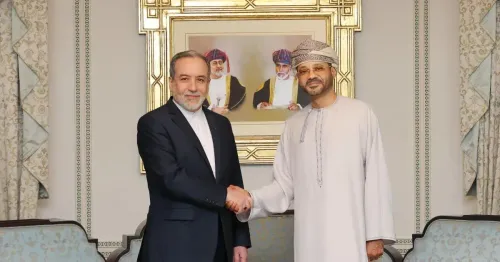
Iran and Oman have reportedly reached a final agreement on new entry and exit routes for the Strait of Hormuz, with both nations set to brief Gulf foreign ministers at a regional meeting in Muscat on Monday, 15 September 2025, according to Iranian officials. The understanding, reached after weeks of intensive technical and diplomatic consultations, places the strait's entry route entirely within Iranian territorial waters and marks a significant shift in the geopolitics of one of the world's most critical energy chokepoints.
Key details of the new routing arrangement
According to a source close to Iran's negotiating team cited by the semi-official Tasnim news agency, the deal was finalised in late August following what were described as 'intensive technical and diplomatic talks.' Under the new framework, the Gulf's entry route reportedly lies entirely within Iranian territorial waters, and a portion of the exit route also falls within Iran's maritime jurisdiction.
The source stressed that the new corridor would operate under Iranian arrangements and that the waterway's southern route — historically favoured by international shipping — would be closed once the new system becomes operational. Notably, the United States had reportedly insisted on keeping the southern route open, a demand Tehran appears to have rejected.
Iran's conditions for reopening remain unmet
'The understanding in no way means that the Strait of Hormuz will be opened,' the source said, adding that Iran has laid out seven conditions for fully reopening the waterway and has communicated them to Washington. The strait will reportedly remain restricted unless those conditions are implemented, with reopening described as 'depending entirely on US behaviour.'
This comes amid a fraught backdrop. Following US-Israeli strikes on Iran on 28 February, Tehran restricted passage through the strategic waterway, while American forces imposed a naval blockade targeting vessels travelling to or from Iranian ports. The dual restrictions have rattled global energy markets and raised insurance costs for tankers transiting the region.
Gulf foreign ministers' meeting in Muscat
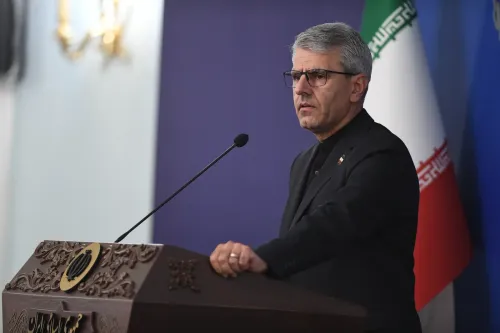
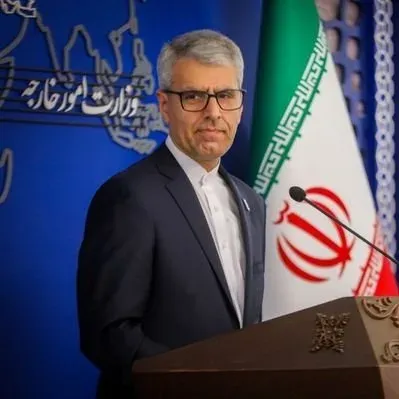
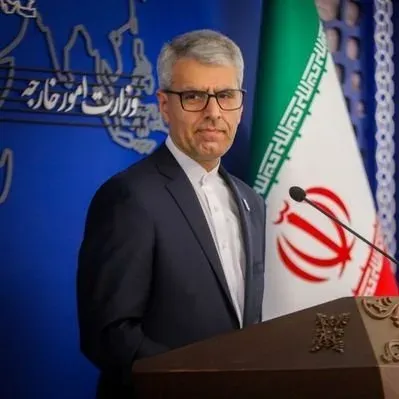
Iran's Foreign Ministry spokesman Esmaeil Baghaei confirmed on Friday that Gulf littoral states' foreign ministers are scheduled to convene in Oman on Monday to discuss regional issues, including the Iran-Oman consultations on designating safe routes through the strait. Speaking to media on Saturday, Baghaei said the gathering would 'hopefully' be attended by foreign ministers from Gulf states as well as Iran and Iraq.
'As part of the agenda, we are going to brief the delegations about the results of the Iran and Oman consultations regarding the safe passage of ships through the Strait of Hormuz,' Baghaei said, describing the talks as consultations between 'the two coastal states of the Strait of Hormuz.'
Why the Strait of Hormuz matters
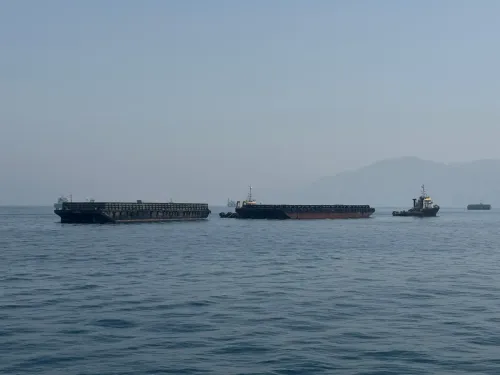
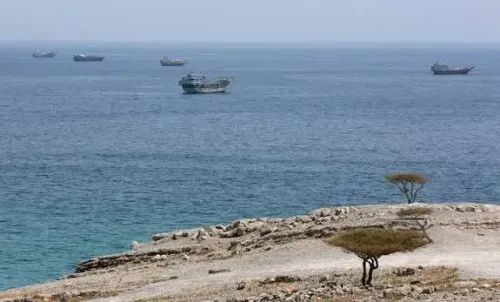
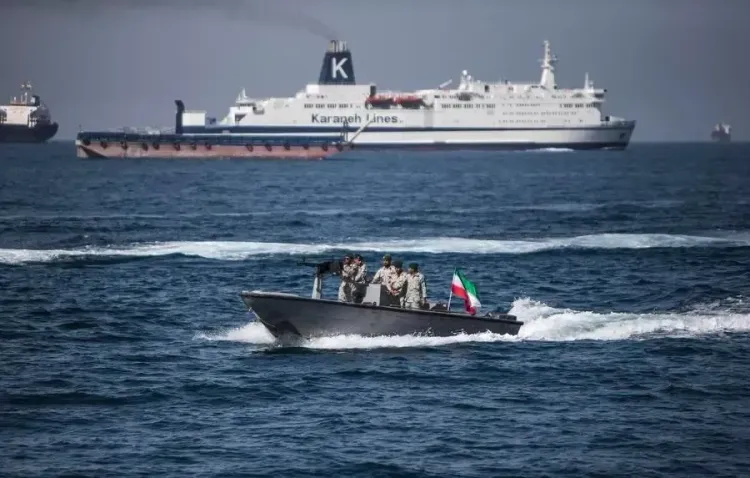
The Strait of Hormuz, linking the Persian Gulf with the Arabian Sea, is arguably the world's most strategically important maritime passage for oil and gas shipments. An estimated 20% of global oil supply transits the narrow waterway daily, making any disruption a direct threat to international energy security. Iran and Oman sit on opposite sides of the strait and have maintained consultations over maritime security and navigation for decades.
In late August, the two nations issued a joint statement indicating they had exchanged views on a proposed phased framework that includes establishing a temporary joint shipping corridor in the strait. Monday's Muscat meeting will be the first formal multilateral briefing on the outcome of those bilateral talks.
What lies ahead
The success of the new routing arrangement hinges on whether Gulf states — and critically, the United States — accept a framework that places operational control firmly in Iranian hands. With Tehran's seven conditions for full reopening still undisclosed publicly, and Washington's posture on the southern route unresolved, the strait's status remains a high-stakes diplomatic flashpoint. The Muscat meeting is expected to set the tone for the next phase of negotiations.
Point of View
Iran has effectively made itself the gatekeeper of global oil transit through the strait. Washington's insistence on the southern route has been sidelined, at least on paper. The seven undisclosed conditions for full reopening give Tehran ongoing bargaining power, turning a shipping corridor into a diplomatic instrument. Gulf states arriving in Muscat on Monday face a fait accompli more than a consultation — and their response will reveal how much regional autonomy they are willing to cede to Tehran on maritime security.
NationPress
13 Sept 2026
Frequently Asked Questions
What are the new Strait of Hormuz routes agreed by Iran and Oman?
Iran and Oman have agreed on new entry and exit routes for the Strait of Hormuz, with the entry route lying entirely within Iranian territorial waters and a portion of the exit route also falling within Iran's jurisdiction. The arrangement was reportedly finalised in late August 2025.
Why is the Strait of Hormuz strategically important?
The Strait of Hormuz connects the Persian Gulf to the Arabian Sea and is one of the world's most critical chokepoints for oil and gas shipments, handling an estimated 20% of global oil supply daily. Any disruption directly impacts international energy security and oil prices.
What are Iran's seven conditions for reopening the strait?
Iran has communicated seven conditions to the United States for fully reopening the Strait of Hormuz, but the specific terms have not been publicly disclosed. Tehran has stated reopening depends entirely on US behaviour.
When is the Gulf foreign ministers' meeting in Muscat?
The Gulf littoral states' foreign ministers are scheduled to meet in Muscat, Oman, on Monday, 15 September 2025. Iran and Oman will brief attendees on the outcome of their bilateral consultations on safe shipping routes.
Why was the Strait of Hormuz restricted in the first place?
Following US-Israeli strikes on Iran on 28 February, Tehran restricted passage through the strait. Simultaneously, US forces imposed a naval blockade targeting vessels travelling to or from Iranian ports, creating dual restrictions on the waterway.