Iran Warns of Regional Retaliation Amidst Fuel Facility Attacks
Synopsis
Iran's leadership has issued a stark warning against US and Israeli aggression toward its energy infrastructure, promising retaliation if attacks continue. This escalation raises significant concerns over regional stability and the potential for increased conflict.
Key Takeaways
Iran has warned of potential retaliation if US and Israeli attacks continue on its energy facilities.
Tensions are escalating with recent strikes causing significant disruptions and health concerns.
The IRGC has launched retaliatory strikes against Israel, targeting specific facilities.
Regional solidarity is being called for to counteract perceived threats from the West.
The situation poses risks for regional stability and oil prices.
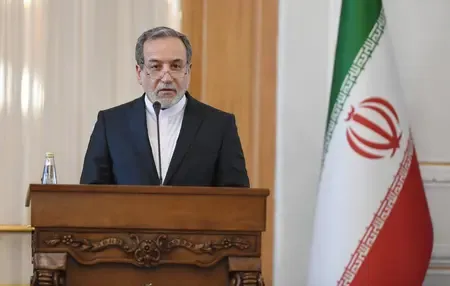
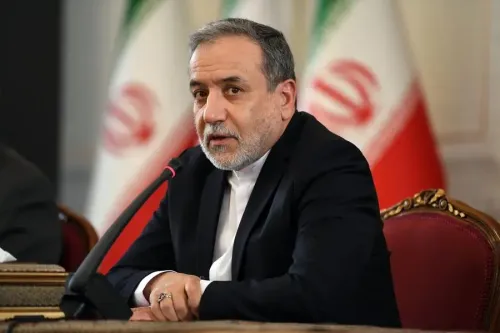
Tehran, March 9 (NationPress) The Khatam al-Anbiya Central Headquarters of Iran has called upon Muslim nations in the vicinity to thwart any US and Israeli assaults on Iranian fuel and energy infrastructure. They have issued a stern warning that Tehran is prepared to retaliate in kind if such attacks persist.
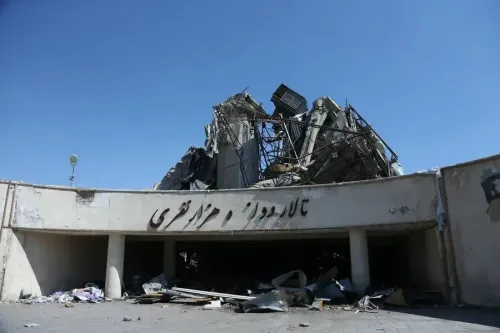
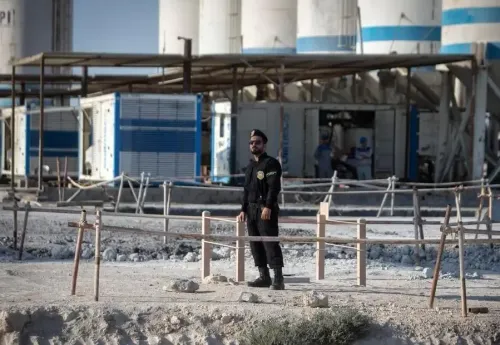
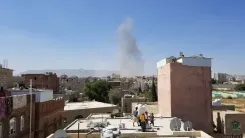
Spokesperson Ebrahim Zolfaghari made these statements following multiple strikes on fuel storage facilities in Tehran and the nearby Alborz province, which occurred during US and Israeli operations on Saturday night. These strikes resulted in temporary disruptions to fuel supplies and raised significant health and environmental alarms, as per reports from the Xinhua news agency, citing the Iranian Students' News Agency.
Zolfaghari condemned the US and Israel for their "brutal" attacks on Iran's energy networks and public service entities, including the loss of civilian lives. He emphasized that regional Muslim nations should caution Washington and Jerusalem against such "cowardly and inhumane actions" to avert an escalation of hostilities.
He further stated, "If you can withstand oil prices soaring beyond $200 per barrel, continue playing this dangerous game," indicating the potential for wider repercussions.
This warning follows joint operations by Israel and the United States on February 28, which targeted Tehran and various other Iranian cities, resulting in the deaths of Supreme Leader Ali Khamenei, several family members, senior military officials, and civilians. Iran has since retaliated with numerous missile and drone strikes aimed at Israel and US military installations in the Middle East.
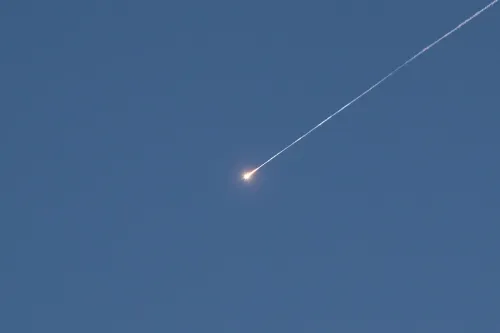
Additionally, on the same day, Iran's Islamic Revolution Guards Corps (IRGC) announced that they had launched an attack on Israel's Haifa refinery as a retaliation for the US-Israeli strike against its energy facilities.
In a statement from its official outlet, Sepah News, the IRGC confirmed that the Haifa refinery was targeted using Kheibarshekan missiles in response to the assault.
Furthermore, the National Iranian Oil Refining and Distribution Company reported that the country's energy infrastructure was subjected to US-Israeli attacks on Saturday night.
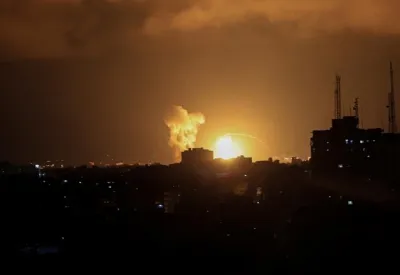
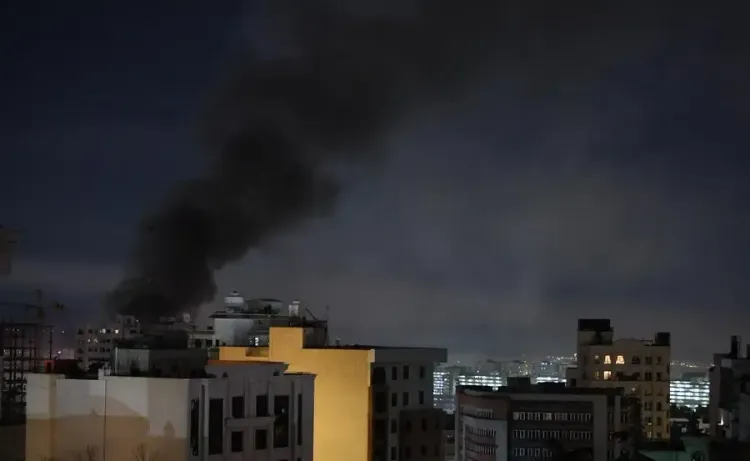
Several oil depots in Tehran and Alborz provinces were struck by missiles, leading to fires, with firefighting teams engaged in containment efforts.
The Iranian capital experienced a new series of intense attacks on Saturday night, with loud explosions reported across various locations in Tehran.
Point of View
It is crucial to note the escalating tensions between Iran and the US-Israeli alliance. The Iranian government’s call for regional solidarity against perceived threats highlights a complex geopolitical landscape that could have far-reaching consequences.
NationPress
19 Sept 2026
Frequently Asked Questions
What prompted Iran's warning to regional states?
Iran's Khatam al-Anbiya Central Headquarters warned regional Muslim nations to prevent US and Israeli attacks on its energy facilities, threatening retaliation if strikes continue.
What were the consequences of the US-Israeli strikes?
The strikes on Iranian fuel storage facilities caused temporary supply disruptions and raised health and environmental concerns.
How did Iran respond to the attacks?
Iran retaliated by launching missile and drone attacks targeting Israel and US bases in the Middle East.
What specific facility was attacked by the IRGC?
The IRGC attacked a refinery in Haifa, Israel, using Kheibarshekan missiles in retaliation for strikes on Iran's energy infrastructure.
What impact did the strikes have on oil supplies?
Iran's oil depots in Tehran and Alborz were hit, resulting in fires and firefighting efforts to contain the situation.