Iran Threatens Stronger Retaliation Against US and Israel Over Energy Strikes
Synopsis
On March 19, Iran escalated tensions by warning of intensified retaliatory actions against the US and Israel if they attack its energy sites again. The situation follows a series of strikes and counterstrikes impacting the region's energy infrastructure and geopolitical dynamics.
Key Takeaways
Iran has threatened intensified retaliation if the US and Israel strike its energy facilities again.
The conflict has escalated since February 28, with significant military actions taking place.
Brent crude oil prices have surged, indicating potential impacts on global energy supplies.
Over 1,300 casualties have been reported in Iran due to the ongoing conflict.
Neighboring countries have condemned Iran's actions, highlighting regional tensions.
Tehran, March 19 (NationPress) Iran issued a stern warning on Thursday, stating that it would escalate its retaliatory actions if the US and Israel were to launch further strikes on its energy facilities.
Ebrahim Zolfaghari, spokesperson for the Khatam al-Anbiya Central Headquarters, conveyed in a statement released by the Islamic Revolutionary Guard Corps' Sepah News that Tehran has not aimed to extend the conflict to oil infrastructure or jeopardize the economies of friendly neighboring nations.
He remarked, "In light of the adversaries' aggression against our energy infrastructure, we have effectively entered a new phase of warfare," he continued.
Zolfaghari emphasized that Iran's response is ongoing and cautioned that any additional attacks would provoke even more severe strikes targeting energy infrastructures associated with the US, Israel, and their allies, as reported by Xinhua news agency.
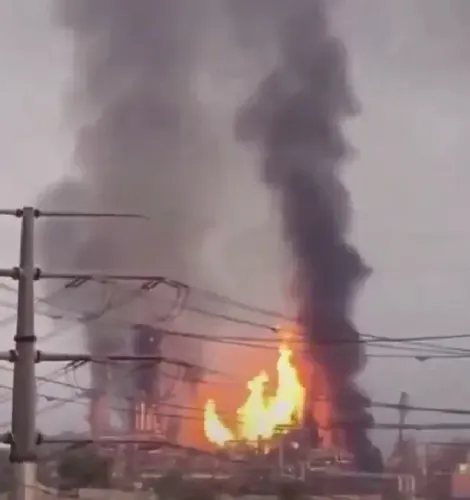
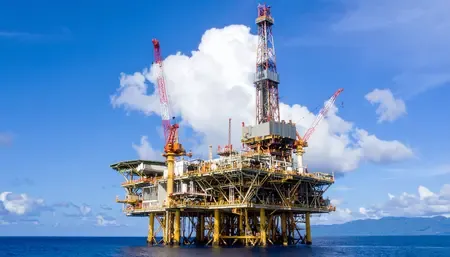
On Wednesday, Israel targeted Iran's South Pars offshore natural gas field in the Gulf, which is a shared asset with Qatar.
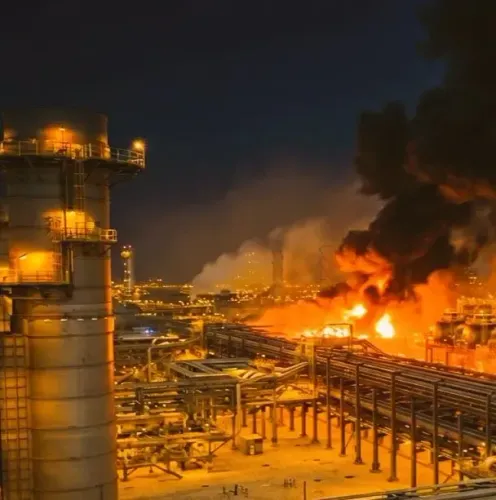
In the aftermath, Qatar reported significant fires and damage at its liquefied natural gas facilities as a result of Iranian counterstrikes.
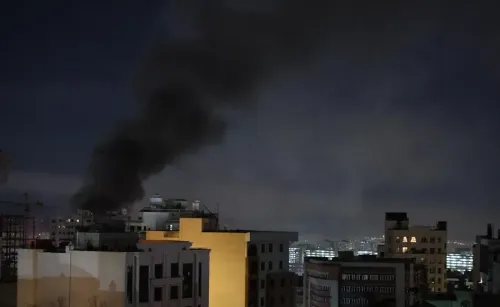
The situation has escalated amid rising tensions following joint US-Israeli operations against Iran that commenced on February 28, leading to retaliatory measures by Iran and its regional allies against US and Israeli interests across the Middle East.
Countries such as Qatar, Saudi Arabia, and the United Arab Emirates condemned the Iranian assaults, with Saudi Arabia's Foreign Affairs Minister Prince Faisal bin Farhan Al Saud stating that these attacks have completely eroded any remaining trust.
During early trading, Brent crude oil prices exceeded $110 per barrel, marking an increase of over 50% since the onset of the conflict with Israeli and US strikes on Iran beginning February 28.
The series of Iranian attacks followed Israel's strike on South Pars, the largest gas field globally, located offshore in the Persian Gulf and co-owned by Iran and Qatar.
With approximately 80% of Iran's electricity generated from natural gas, as reported by the Paris-based International Energy Agency, this attack poses a direct threat to the country's power supply. Natural gas is also essential for household heating and cooking across Iran.
Iran condemned the assault on South Pars, with Iranian President Masoud Pezeshkian warning of "uncontrollable consequences" that could potentially engulf the entire globe.
Qatar Energy reported via X that a missile strike on its substantial Ras Laffan LNG facility ignited a fire early Thursday.
Additionally, a ship was reportedly struck off Qatar's coast, as noted by the UK's Maritime Trade Operations (UKMTO) Centre. It remains unclear whether this incident was deliberate or a result of debris from intercepted Iranian missiles.
Saudi Arabia has also reported the downing of Iranian drones targeting its gas facilities overnight, while authorities in Abu Dhabi halted operations at the Habshan gas facility and Bab field due to intercepts in the area.
Another vessel caught fire early Thursday in waters off the UAE coast, but it remains uncertain if it was targeted or hit by debris, according to UKMTO.
This vessel was located near Khor Fakkan, close to the Strait of Hormuz, a vital waterway through which a fifth of the world’s oil is typically transported.
To date, over 20 vessels have been attacked amid the ongoing conflict, with Tehran maintaining strict control over shipping routes through this crucial channel connecting the Persian Gulf to the open ocean.
Iran asserts that the waterway remains open—though not to the US or its allies—and while some ships have navigated through, their numbers are limited.
In a separate development, Iran announced the execution of three individuals detained during January's nationwide protests, marking the first known sentences to be carried out, according to the judiciary's Mizan news agency.
The individuals were accused of fatally stabbing two police officers in Qom, situated nearly 130 km south of Tehran, during the protests.
The Iranian authorities responded to the demonstrations with severe violence that resulted in thousands of deaths and tens of thousands of arrests, with activists warning of potential mass executions of those detained.
Iran has long faced accusations from human rights advocates regarding the extraction of coerced confessions from detainees and their lack of fair trial rights.
Over 1,300 individuals have been reported killed in Iran amid the ongoing conflict.
Israeli airstrikes have led to the displacement of more than one million Lebanese, accounting for nearly 20% of the population, according to the Lebanese government, which reports that 968 individuals have died.
In Israel, 15 casualties have resulted from Iranian missile assaults, including a Thai agricultural worker killed by shrapnel. Additionally, three individuals were reported dead in the occupied West Bank due to an Iranian missile strike, as stated by the Palestinian Red Crescent.
At least 13 members of the US military have lost their lives in the ongoing conflict.
Point of View
It is crucial to analyze the current situation with a balanced perspective. The escalating conflict between Iran, the US, and Israel poses significant risks not only to regional stability but also to global energy markets. The ongoing military actions raise serious concerns about the humanitarian impact and the potential for broader conflict.
NationPress
9 Oct 2026
Frequently Asked Questions
What triggered the latest escalation in Iran?
The escalation was triggered by joint US-Israeli strikes on Iran that began on February 28, leading to retaliatory actions from Iran.
How has Iran responded to attacks on its energy infrastructure?
Iran has warned that further attacks will lead to more severe retaliatory strikes targeting energy facilities associated with the US and Israel.
What are the implications for global energy supplies?
The conflict threatens to disrupt energy supplies, particularly with Brent crude oil prices rising significantly.
What is the situation regarding casualties?
Over 1,300 people have been killed in Iran due to the conflict, with casualties also reported in Israel and Lebanon.
How do neighboring countries view the Iranian strikes?
Countries like Qatar, Saudi Arabia, and the UAE have condemned the Iranian attacks, indicating a significant shift in regional dynamics.