UNGA 2026: Island nations push back against big-power rivalry in Indo-Pacific
Synopsis
At UNGA 2026, a coalition of island and coastal nations — from the Maldives to the Bahamas — delivered a striking collective rebuke of big-power rivalry at sea. With pointed warnings against treating the Pacific as 'an empty expanse' and the Caribbean as a 'backyard,' the session revealed how rising US-China competition is forcing the world’s smallest states to fight publicly for the right to stay non-aligned.
Key Takeaways
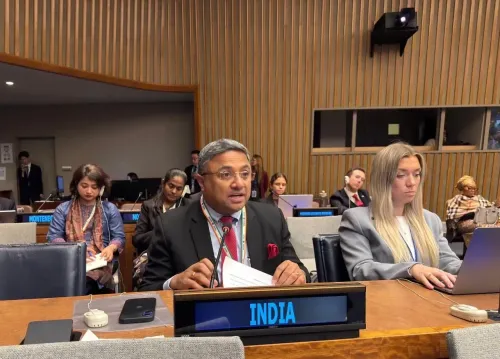
Maldives Vice-President Hussain Mohamed Latheef declared at UNGA 2026 that the Indian Ocean must remain peaceful and must not limit the choices of smaller states.
Fijian President Ratu Naiqama Lalabalavu warned that the ocean must not become ‘a theatre in which others settle their rivalries.’ Tongan Prime Minister Lord Fakafanua invoked the Ocean of Peace declaration , calling on major powers to halt military escalation in the Pacific.
Solomon Islands PM Matthew Cooper Wale said small states are ‘too often treated as prizes to be won rather than partners to be heard.’ Bahamas PM Philip Davis said Caribbean nations ‘did not win our freedom to once again become somebody’s backyard.’ Australia offered to act as a bridge partner, pledging to support sovereign choice free from coercion across the Indo-Pacific.
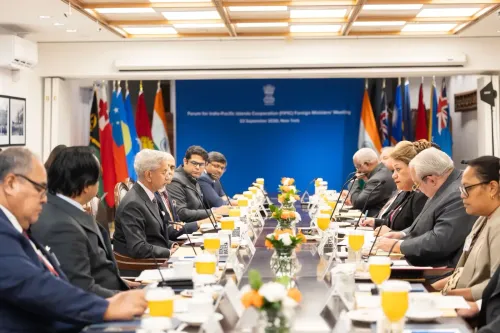
Island and coastal nations delivered a unified warning at the UN General Assembly (UNGA) on 26 September 2026, urging major powers to stop transforming the Indian Ocean and Pacific Ocean into arenas of military confrontation. Leaders from the Maldives, Fiji, Tonga, Solomon Islands, Marshall Islands, Palau, and the Bahamas collectively insisted that strategic competition must not compel smaller states to choose between rival blocs.
Indian Ocean: A Clear Message from the Maldives
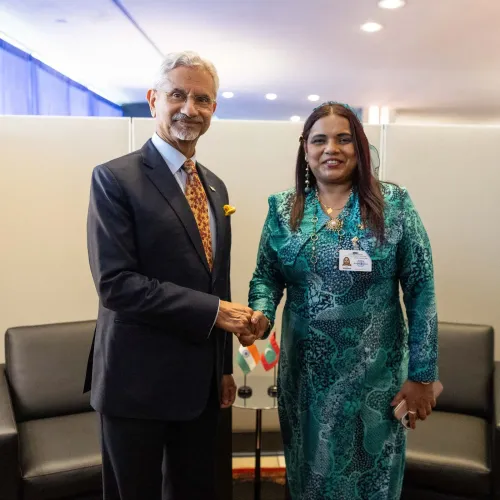
Maldives Vice-President Hussain Mohamed Latheef delivered what many observers considered the sharpest Indian Ocean statement of the session. “The Indian Ocean must remain peaceful,” he said, adding that the region must allow trade to flow and states to prosper. Competition among major powers, he stressed, must not limit the foreign policy choices of smaller countries.
The Maldives sits at a critical maritime crossroads, with both India and China actively courting Malé in recent years. Latheef’s remarks reflect a growing tension between accepting development partnerships and preserving strategic autonomy.
Pacific Leaders Invoke the Ocean of Peace Declaration
Fijian President Ratu Naiqama Lalabalavu reminded the General Assembly that the Pacific carried memories of decisions made elsewhere but suffered by its people. “Our ocean must not become a theatre in which others settle their rivalries,” he said, while welcoming genuine friendship, investment and cooperation.
Tongan Prime Minister Lord Fakafanua pointed to the region’s Ocean of Peace declaration as carrying an unambiguous signal. “The Pacific must not become a staging ground for military escalation or a battleground for major power rivalry,” he said. Tonga further clarified that the declaration extended beyond conflict prevention to include regional action against transnational crime, illegal fishing, cyberthreats, and the lingering consequences of nuclear testing and radioactive contamination.
Palauan President Surangel Whipps Jr. objected to the framing of the Pacific as vacant strategic space. “Our region must never be treated as an empty expanse for strategic competition or tests of military power,” he said, noting that the ocean was home to communities, cultures, fisheries and ecosystems fundamental to regional security.
Small States as Prizes, Not Partners
Solomon Islands Prime Minister Matthew Cooper Wale described the mounting pressure on smaller governments as international divisions sharpened. “Neighbours are asked to choose sides. Small States are too often treated as prizes to be won rather than partners to be heard,” he said.
Marshall Islands President Hilda Heine argued that geopolitical discourse was skewed toward superpower preferences, overlooking nations caught between competing spheres of influence. She warned that distant power struggles were amplified in small, remote economies already struggling with rising fuel and energy costs.
Caribbean Echo: No More Backyards
Bahamas Prime Minister Philip Davis extended the sentiment to the Caribbean, saying island nations recognised the renewed language of spheres of influence and hemispheric dominance. “We did not win our freedom to once again become somebody’s backyard,” Davis said, in remarks that drew resonance across delegations from the Global South.
What Major Powers Said
The statements did not constitute a blanket rejection of engagement with larger economies. Leaders consistently distinguished between genuine cooperation and coercive pressure. Australia sought to position itself as a bridge partner, saying its Indo-Pacific partnerships were designed to build sovereign capacity and offer countries freedom of choice without coercion. Canberra said it would work with both the United States and China while supporting a regional order in which no single country dominated another.
The Indian and Pacific oceans together carry some of the world’s busiest shipping lanes, and intensifying competition involving China, the US and their respective partners has raised the strategic premium on island states, ports and maritime infrastructure across both regions. With UNGA’s general debate now on record, the question is whether this collective voice translates into a formal multilateral framework or remains a moral appeal without binding weight.
Point of View
And the nuclear-contamination reference in the same breath, also signals that historical grievances — including Cold War-era Pacific nuclear testing — are being folded into the current geopolitical argument. Whether this vocal bloc can convert moral authority into a formal multilateral mechanism — binding maritime conduct agreements, for instance — remains the real test of whether UNGA speeches become policy architecture.
NationPress
26 Sept 2026
Frequently Asked Questions
What did island nations demand at UNGA 2026?
Island and coastal nations at UNGA 2026 demanded that the Indian and Pacific oceans not be turned into arenas for military confrontation or great-power rivalry. Leaders from the Maldives, Fiji, Tonga, Solomon Islands, Marshall Islands, Palau and the Bahamas called for peaceful seas, respect for sovereignty, and the right to pursue independent foreign policies without being forced to choose sides.
What is the Pacific Ocean of Peace declaration?
The Ocean of Peace declaration is a regional agreement invoked by Tongan Prime Minister Lord Fakafanua at UNGA 2026, asserting that the Pacific must not become a staging ground for military escalation or a battleground for major power rivalry. The declaration also addresses transnational crime, illegal fishing, cyberthreats, and the consequences of nuclear testing and radioactive contamination in the region.
Why are island states increasingly vocal about big-power competition?
Rising US-China strategic competition has elevated the importance of island states, ports and maritime infrastructure across the Indian and Pacific oceans, placing smaller nations under pressure to align with one side. Leaders say this reduces their foreign policy options and exposes their economies — already strained by rising fuel and energy costs — to the fallout of distant geopolitical decisions.
What did Solomon Islands and Marshall Islands say at UNGA 2026?
Solomon Islands Prime Minister Matthew Cooper Wale said small states are ‘too often treated as prizes to be won rather than partners to be heard.’ Marshall Islands President Hilda Heine argued that geopolitical discussions are skewed toward superpower preferences, overlooking fragile nations caught between competing spheres of influence.
How did Australia respond to these concerns?
Australia said its Indo-Pacific partnerships are designed to build sovereign capacity and give countries freedom of choice free from coercion. Canberra stated it would work with both the United States and China while supporting a regional order in which no single country dominates another.