Israel warns US of Turkish radar deployment at Syrian airbase
Synopsis
Israel struck Syria's Abu al-Duhur airbase on Tuesday specifically to pre-empt a Turkish radar and air-defence deployment — then briefed Washington after the fact. With the US Special Envoy confirming Israel did not inform America in advance, the episode reveals both the urgency of Israeli threat assessment and the friction lines within the US-Israel alliance over unilateral military action in Syria.
Key Takeaways
Israel informed the US that Turkey was preparing to deploy radar and air-defence assets at Abu al-Duhur military airport in northwest Syria .
Israeli security officials warned Washington the Turkish move could 'significantly' alter the regional balance of power.
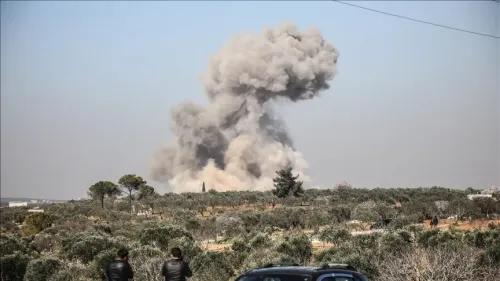
The Israeli Air Force struck Abu al-Duhur on Tuesday to prevent Turkish equipment or troops from arriving by air.
Defence Minister Israel Katz said the strikes followed 'clear intelligence' and that Syria received a diplomatic warning before the attack was authorised.
US Special Envoy Tom Barrack confirmed Israel did not inform the United States of the strike in advance.
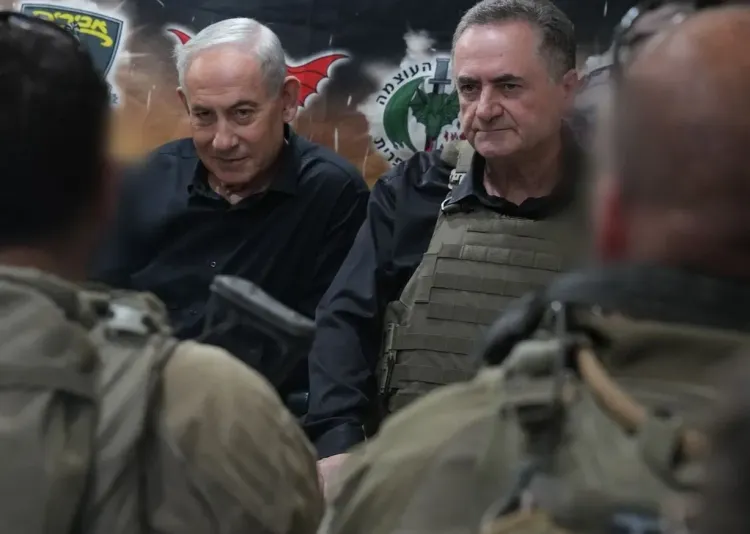
Prime Minister Benjamin Netanyahu and Katz jointly authorised the IDF operation after Syria did not respond to the warning.
Israel has informed the United States that Turkey was preparing to deploy a radar system and air-defence assets at a Syrian military airbase, according to a report by Israel's state-owned Kan TV News. Israeli security officials reportedly conveyed to Washington that the alleged Turkish move could 'significantly' alter the regional balance of power.
The Airbase at the Centre of the Dispute
Sources familiar with the discussions told the channel that Israel did not provide a timetable for the possible Turkish deployment. However, they identified Abu al-Duhur military airport in northwest Syria as the potential site. The Israeli Air Force struck the same airbase on Tuesday, an attack that further strained already tense relations between Ankara and Jerusalem.
Why Israel Struck — and What Officials Said
Israeli Defence Minister Israel Katz stated that the strikes were carried out in response to 'clear intelligence' about Turkey's intentions to act in ways that would 'endanger' Israel's security. He added that Syria had received a diplomatic warning before the strike was authorised.
Katz elaborated that prior to the operation, Prime Minister Benjamin Netanyahu and he had held several discussions with the Israel Defence Forces (IDF) and senior security officials. 'Following several discussions that Prime Minister [Benjamin Netanyahu] and I held with the IDF and the various security officials, it was agreed that before approval was given, a direct warning would be issued to the Syrian regime at the highest levels first in an attempt to prevent the move, and that is what was done,' Katz said. He added: 'After the request went unanswered, the prime minister and I authorized the IDF to carry out the strike, which commenced successfully.'
US Caught Off Guard
US Special Envoy for Syria Tom Barrack said Israel did not inform the United States of the attack in advance — a disclosure that underscores the limits of real-time coordination between the two close allies on Syrian operations. An Israeli official separately stated that the strikes were aimed at preventing the arrival of Turkish equipment or troops by air at the airbase, according to reports.
Broader Regional Implications
The episode marks a significant escalation in the triangular tensions between Israel, Turkey, and Syria. Turkish military presence at a Syrian airbase would represent a tangible shift in the northwest Syrian security architecture — one that Israeli officials argue directly threatens their strategic depth. This comes amid a broader contest over influence in post-conflict Syria, where multiple external actors, including Turkey, Russia, and Iran, have maintained or sought military footholds. The Israeli strikes, and the intelligence-sharing with Washington that preceded them, signal that Jerusalem intends to contest any such foothold that it deems a threat. How Ankara responds — diplomatically or militarily — will determine whether this remains a contained incident or escalates further.
Point of View
Not before: that gap between coordination and notification is where future friction will grow. Turkey's response will be the real test — Ankara has its own equities in northwest Syria and a record of not absorbing Israeli unilateral actions quietly. If this escalates, Washington will find itself caught between two NATO-adjacent partners with incompatible red lines in the same theatre.
NationPress
7 Oct 2026
Frequently Asked Questions
Why did Israel strike the Abu al-Duhur airbase in Syria?
Israel struck Abu al-Duhur military airport in northwest Syria on Tuesday to prevent Turkey from deploying radar systems and air-defence assets there. Defence Minister Israel Katz said the operation was based on 'clear intelligence' about Turkish intentions that would 'endanger' Israel's security.
What did Israel tell the United States about Turkey's plans in Syria?
Israeli security officials informed Washington that Turkey was preparing to deploy a radar system and air-defence assets at a Syrian airbase. They reportedly warned that the move could 'significantly' alter the regional balance of power, though no timetable for the Turkish deployment was provided.
Did Israel inform the US before carrying out the Syria strikes?
No. US Special Envoy for Syria Tom Barrack confirmed that Israel did not inform the United States of the attack in advance. Israel briefed Washington on Turkey's alleged plans separately, but the military strike itself was not pre-coordinated with the US.
What warning did Israel give Syria before the strike?
According to Defence Minister Israel Katz, Israel issued a direct warning to senior Syrian officials at the 'highest levels' before authorising the IDF strike on Abu al-Duhur. After Syria did not respond to the warning, Prime Minister Benjamin Netanyahu and Katz jointly approved the operation.
How does this affect Turkey-Israel relations?
The strikes have further strained already tense relations between Turkey and Israel. A Turkish military deployment at a Syrian airbase would mark a significant shift in the regional security balance, and Israel's pre-emptive strike to block it signals that Jerusalem intends to contest any such move it views as a threat.