Israeli defence minister warns Turkey over Syria 'dangerous adventures'

Synopsis
Israel struck a Syrian airbase eight times over alleged Turkish troop deployment plans — then its defence minister publicly warned Erdogan against 'dangerous adventures.' With the Israeli military chief touring southern Syria the next day, Jerusalem is sending an unmistakable signal: it will pre-empt any Turkish military foothold near its borders, even at the risk of a direct Israel-Turkey confrontation.
Key Takeaways
Israeli Defence Minister Israel Katz warned Turkey against 'dangerous adventures' in Syria on 20 August .
Israeli warplanes struck the Abu al-Duhur military airport in Idlib with eight airstrikes on 19 August , causing material damage but no casualties.
Israel said the strikes were triggered by plans to deploy Turkish forces at the base; both Turkey and Syria denied this.
Israeli military chief Eyal Zamir toured southern Syria on 20 August and warned that 'hostile forces' would not be allowed near Israel's borders.
Ankara accused Israel of violating Syrian sovereignty; Damascus said Turkish officers visited only for training purposes.
Israeli Defence Minister Israel Katz on Thursday, 20 August issued a sharp warning to Turkey against what he called 'dangerous adventures' in Syria, as regional tensions flared following Israeli airstrikes on a Syrian military airbase over alleged plans to station Turkish troops there. The warning marks a significant escalation in the Israel-Turkey-Syria triangle that has been simmering since the fall of the Assad government.
The Airstrike and Its Trigger
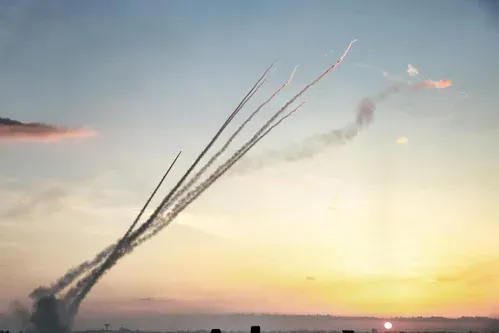
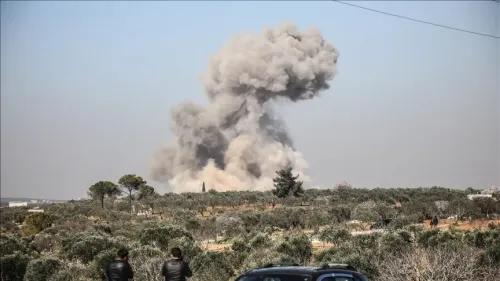
Israeli warplanes carried out eight airstrikes in the early hours of Tuesday, 19 August on the runway of the Abu al-Duhur military airport in Idlib province, northwestern Syria, according to Syria's state-run Al-Ikhbariya TV, citing a military source. The strikes caused material damage but no casualties, the report said.
Israel said it acted because Syria was preparing to allow Turkish forces to deploy at the facility — a move Jerusalem viewed as a direct security threat. Katz posted on social media that Turkish President Recep Tayyip Erdogan was dragging Turkey into these adventures, adding that Israel 'will not allow any actor to threaten its security.'
Turkey and Syria Push Back
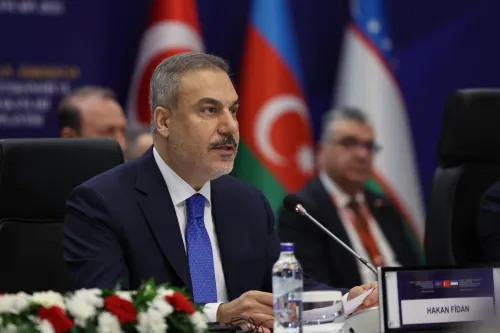
Ankara rejected Israel's justification outright, accusing Israel of violating Syria's sovereignty. Damascus also denied that any Turkish military buildup was planned at the base, saying Turkish officers had visited Abu al-Duhur purely as part of military training and cooperation — not as a precursor to deployment.
The competing narratives reflect a broader pattern: Israel has repeatedly struck targets in post-Assad Syria citing pre-emptive security concerns, while Turkey — which backed several Syrian opposition factions — has deepened its military footprint in the country's north.
Israeli Military Chief Tours Southern Syria
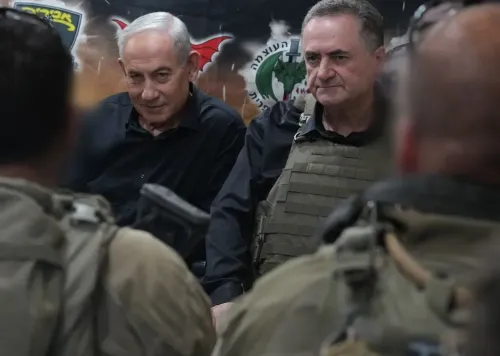
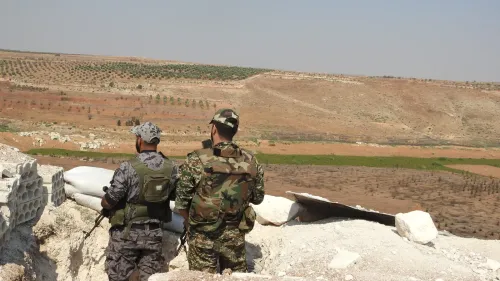
A day after the strikes, on Wednesday, 20 August, Israeli military chief Eyal Zamir toured southern Syria and held a security assessment with senior commanders. He visited Israeli troops operating in what the military describes as a 'security zone' in southern Syria — territory Israel has occupied since the collapse of the Assad government.
'We will not allow hostile forces to establish themselves on our borders,' Zamir said during the visit. 'We see what is happening and are monitoring the changes on the Syrian front.'
He also cautioned that the conflict remains multi-front. 'We are still in a multi-front war, alert and operating in all arenas — escalation can develop in any one of them, and we must remain in constant readiness for that,' he added.
What This Means for the Region
The episode underscores the increasingly crowded and contested nature of post-Assad Syria, where Israel, Turkey, and various armed factions are all staking out positions. Israel has conducted hundreds of strikes inside Syria since Assad's fall, framing each as a defensive measure. Turkey, for its part, has sought to consolidate influence over groups in the north and northwest.
Notably, this is not the first time Israel and Turkey have clashed over Syria's future — but the direct targeting of an airbase allegedly tied to Turkish military plans represents a sharper red line than previous confrontations. With Zamir personally touring the front and Katz issuing public warnings, Jerusalem appears to be signalling that it will act pre-emptively rather than wait for any Turkish military presence to consolidate near its borders.
How Ankara responds in the coming days — diplomatically or operationally — will likely determine whether this episode remains a contained flare-up or becomes a wider regional flashpoint.
Point of View
Explain later, and dare the other side to respond. What mainstream coverage underplays is that this confrontation is as much about Turkey's post-Assad ambitions as it is about Israel's security perimeter — Ankara has been systematically expanding its military presence in northwestern Syria, and Jerusalem is drawing a line before that presence reaches the south. The risk is that both sides are now operating on hair-trigger assumptions about the other's intentions, with no direct communication channel robust enough to prevent miscalculation. A Turkish counter-move — even a symbolic one — could trigger a cycle that neither government has fully war-gamed.
NationPress
5 Oct 2026
Frequently Asked Questions
Why did Israel strike the Abu al-Duhur airbase in Syria?
Israel struck the Abu al-Duhur military airport in Idlib province on 19 August, saying Syria was preparing to allow Turkish forces to deploy at the facility, which Israel viewed as a security threat. The strikes caused material damage but no casualties, according to Syrian state media.
How did Turkey and Syria respond to the Israeli airstrikes?
Turkey rejected Israel's justification and accused it of violating Syrian sovereignty. Syria also denied any planned Turkish military buildup at the base, saying Turkish officers had visited only for training and cooperation purposes.
What did Israeli Defence Minister Israel Katz say about Turkey?
Katz warned in a social media post that Turkish President Recep Tayyip Erdogan was dragging Turkey into 'dangerous adventures' in Syria, and stated that Israel 'will not allow any actor to threaten its security.'
What is Israel's 'security zone' in southern Syria?
Following the collapse of the Assad government, Israel moved forces into southern Syria and designated the area a 'security zone.' Israeli military chief Eyal Zamir visited troops stationed there on 20 August and reiterated that hostile forces would not be permitted to establish themselves near Israel's borders.
Could this escalate into a direct Israel-Turkey conflict?
Both governments have so far avoided direct military engagement, but the situation is volatile. Israel has framed its strikes as pre-emptive, while Turkey has called them sovereignty violations — leaving little diplomatic room for de-escalation without a clear back-channel.