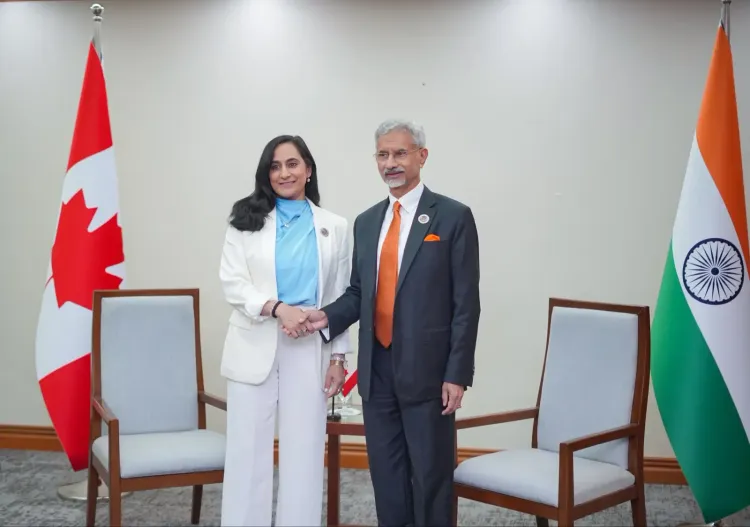
Jaishankar speaks with Canada's Anita Anand on bilateral ties, Ukraine
Synopsis
India-Canada diplomatic momentum is accelerating fast — a senior-level FOC in New Delhi, a finance minister’s roundtable in Toronto, and now an EAM call on Ukraine, all within weeks. With a CEPA deadline set for year-end and a ₹4.65 lakh crore trade target by 2030, this is the most active India-Canada diplomatic stretch since relations collapsed in 2023.
Key Takeaways
EAM S Jaishankar spoke with Canadian FM Anita Anand on 14 September , discussing bilateral cooperation and the Ukraine situation.
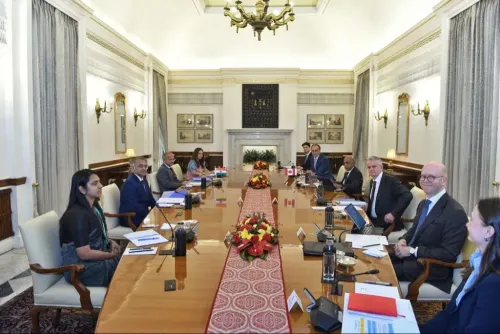
Annual Foreign Office Consultations (FOC) were held on 2 September at Hyderabad House, New Delhi , led by Rudrendra Tandon (India) and Arun Thangaraj (Canada).
Both sides reaffirmed commitment to concluding CEPA negotiations before end of year, targeting bilateral trade of CAD 70 billion (₹4.65 lakh crore) by 2030 .
Finance Minister Nirmala Sitharaman addressed an India-Canada Business Roundtable in Toronto last month, calling for deeper financial-sector cooperation.
The bilateral reset has been underway since June 2025 , marking the most intensive diplomatic engagement between the two countries in recent years.
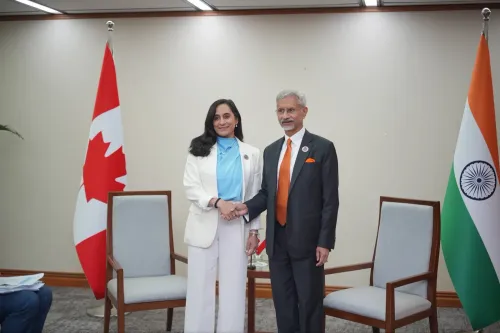
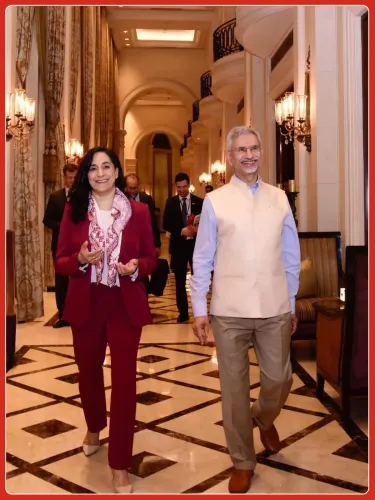
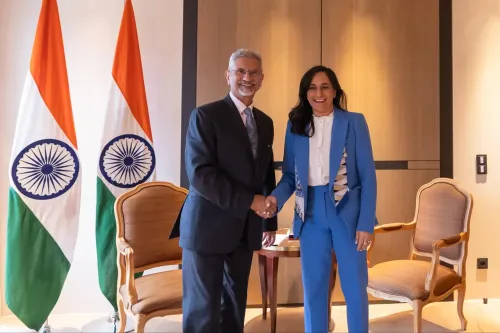
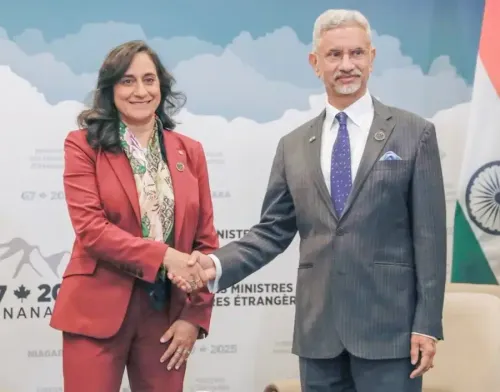
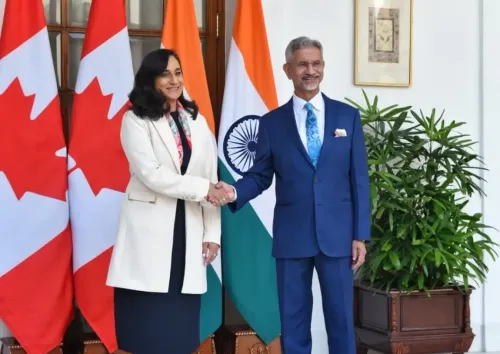
External Affairs Minister S Jaishankar on Monday, 14 September held a telephone conversation with Canadian Foreign Minister Anita Anand, covering bilateral cooperation between India and Canada as well as the ongoing situation in Ukraine. The call signals continued diplomatic engagement between the two nations following a period of strained relations.
What Was Discussed
“Good to speak with FM Anita Anand of Canada this evening, on our bilateral cooperation as well as on the Ukraine situation,” Jaishankar stated in a post on X. While details of the specific positions exchanged were not disclosed, the conversation reflects the broadening agenda between the two foreign ministries, extending beyond purely bilateral matters to shared global concerns.
FOC Meeting Laid the Groundwork
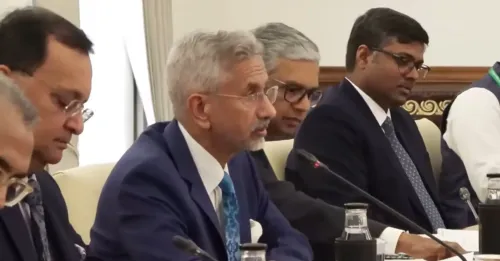
The phone call comes on the heels of the annual Foreign Office Consultations (FOC) held on 2 September at Hyderabad House in New Delhi. The Indian delegation was led by Rudrendra Tandon, Secretary (East) at the Ministry of External Affairs (MEA), while Canada’s team was headed by Deputy Minister of Foreign Affairs Arun Thangaraj of Global Affairs Canada.
According to an MEA statement, the FOC “was held against the backdrop of sustained momentum in the bilateral relationship, reflected in the pace of high-level exchanges and progress in various areas of bilateral cooperation since June 2025.” Both sides reaffirmed the importance of India-Canada ties, “anchored in shared democratic values, respect for principles of sovereignty and territorial integrity, and joint commitment to the rule of law.”
Trade, Energy and Investment on the Table
A key focus of the ongoing diplomatic engagement is economic integration. Both governments reiterated their shared commitment to concluding Comprehensive Economic Partnership Agreement (CEPA) negotiations before the end of the year, with the joint objective of more than doubling bilateral trade to CAD 70 billion (approximately ₹4.65 lakh crore) by 2030. The FOC also reviewed progress across institutional mechanisms covering energy and critical minerals, science and technology, education, security and defence cooperation, culture, and people-to-people ties.
Notably, last month Finance Minister Nirmala Sitharaman addressed a high-level India-Canada Business Roundtable in Toronto alongside Canadian Finance and National Revenue Minister Francois-Philippe Champagne. Sitharaman said India and Canada have “an opportunity to deepen financial-sector cooperation and build long-term investment partnerships,” describing the two economies as complementary — “India brings scale, growth and opportunities, while Canada offers long-term capital, institutional depth and expertise.”
Context: A Relationship Rebuilt Since 2025
The warmth on display marks a notable turnaround. India-Canada relations had hit a serious low in 2023 following diplomatic expulsions tied to allegations around the killing of a Sikh separatist leader in British Columbia — allegations India has consistently denied. The bilateral reset, which officials say gained real traction from June 2025, has since been characterised by a return of high-level exchanges and structured dialogue. The current pace of engagement — a senior-level FOC, a finance minister’s visit, and now an EAM-level call within weeks — represents the most intensive diplomatic activity between the two countries in recent years.
What Comes Next
With CEPA negotiations on a year-end deadline and several institutional mechanisms tracking progress, both sides appear invested in sustaining momentum. The Ukraine discussion adds a geopolitical dimension to what has otherwise been a relationship-rebuilding exercise, reflecting India’s effort to maintain active dialogue with Western partners on global security. All eyes will now be on whether the CEPA timeline holds and whether further high-level visits materialise before the close of 2026.
Point of View
Finance minister visit, EAM call, all in quick succession — suggesting a deliberate effort by both governments to lock in institutional momentum before domestic political calendars on either side create new complications.
NationPress
14 Sept 2026
Frequently Asked Questions
What did Jaishankar and Canada's Anita Anand discuss?
External Affairs Minister S Jaishankar and Canadian Foreign Minister Anita Anand spoke on 14 September about India-Canada bilateral cooperation and the situation in Ukraine. The call followed the annual Foreign Office Consultations held in New Delhi on 2 September.
What is the India-Canada CEPA and when is the deadline?
The Comprehensive Economic Partnership Agreement (CEPA) is a proposed free trade deal between India and Canada aimed at more than doubling bilateral trade to CAD 70 billion (approximately ₹4.65 lakh crore) by 2030. Both governments have committed to concluding CEPA negotiations before the end of this year.
When did India-Canada relations begin to recover?
The bilateral relationship began recovering from June 2025, according to the MEA, following a serious diplomatic rift in 2023 over allegations linked to the killing of a Sikh separatist leader in British Columbia — allegations India has consistently denied.
What areas of cooperation are India and Canada currently focused on?
Both countries are working on energy and critical minerals, science and technology, education, security and defence cooperation, culture, and people-to-people ties. Financial-sector cooperation and long-term investment partnerships are also a key focus, as highlighted by Finance Minister Nirmala Sitharaman during her Toronto visit.
What did Finance Minister Nirmala Sitharaman say about India-Canada economic ties?
Sitharaman, speaking at a Business Roundtable in Toronto, said India and Canada have an opportunity to deepen financial-sector cooperation and build long-term investment partnerships. She described India as offering scale, growth and opportunities, while Canada brings long-term capital, institutional depth and expertise.