Jamia students boycott online classes, demand campus restoration by 24 November
Synopsis
Students at two Jamia Millia Islamia departments have declared a complete boycott of online classes as the university extends the virtual mode order until 24 November — with protests now in their 18th day, demands for the students' union's reinstatement still unmet, and researchers warning that digital platforms cannot replace physical archives and libraries.
Key Takeaways
Students at Jamia Millia Islamia's CWAS and Department of Sociology declared a complete boycott of online classes on 29 October .
The university extended online classes until 24 November , with all Odd Semester exams to be held virtually.
Protests demanding reinstatement of JMISU and removal of the Chief Proctor entered their 18th day .
CWAS students cited loss of access to physical archives, central library, and specialised journals as irreplaceable academic resources.
Both student bodies stated that individual online attendance under duress does not constitute collective consent to the administration's order.
Students also highlighted continued financial burden of hostel, rent, travel, and living costs in Delhi despite campus closure.
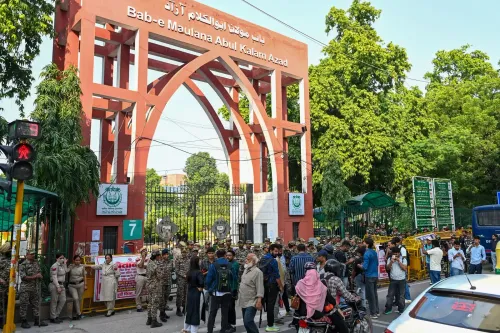
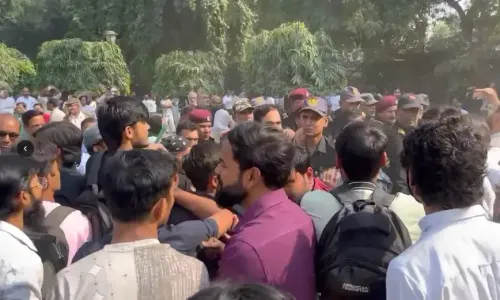
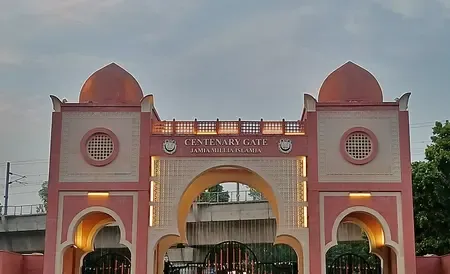
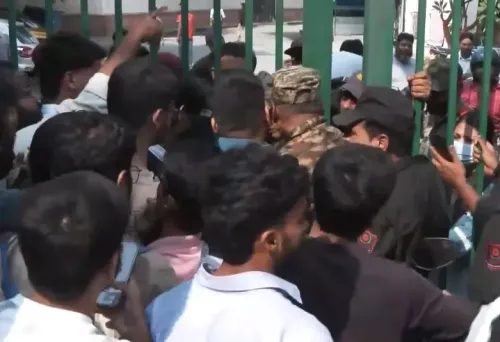
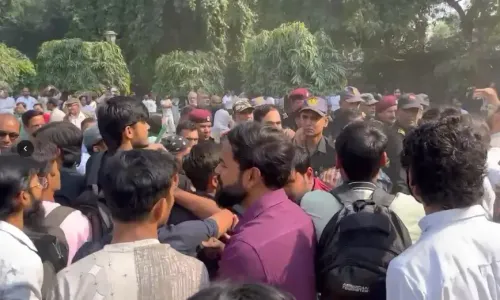
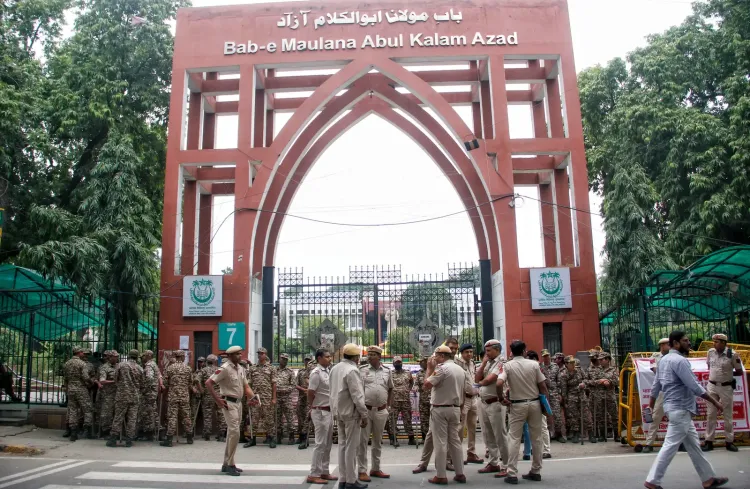
Students at Jamia Millia Islamia University's Centre for West Asian Studies (CWAS) and Department of Sociology on Thursday, 29 October announced a complete boycott of the university's online classes order, citing disruption of academic progression and research work, and demanding the immediate restoration of on-campus education. The announcement comes as protests at the university entered their 18th consecutive day.
Background: Protests and the Online Classes Order
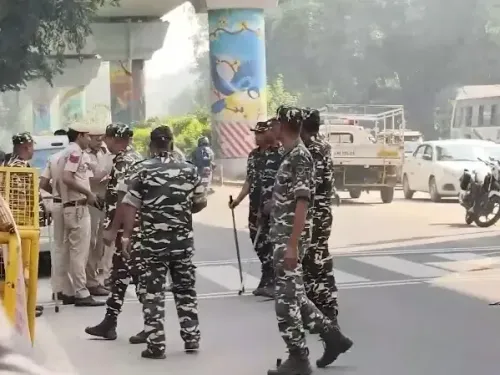
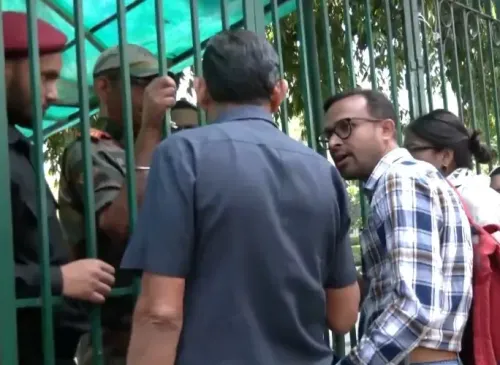
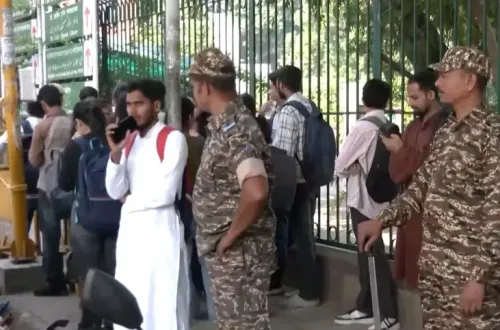
The current unrest at Jamia Millia Islamia in New Delhi stems from ongoing student protests demanding the reinstatement of the Jamia Millia Islamia Students' Union (JMISU) and the removal of the university's Chief Proctor, following a crackdown on demonstrators. In response to the situation on campus, the university administration directed an extension of online classes until 24 November and announced that all practical and theory examinations for Odd Semester students would be conducted via virtual mode, stating that the campus environment was 'not conducive' for academic activities.
CWAS Students: Research and Archives at Stake
In an official statement, students at the Centre for West Asian Studies declared their complete rejection of the administration's order, calling the indefinite extension of online classes academically untenable. 'The decision to indefinitely extend online classes until the end of the semester and deny physical access to the university campus disrupts our academic progression, research work, and institutional engagement without providing a definitive timeline or engaging in student consultation,' the statement read.
The CWAS students specifically highlighted the irreplaceable nature of physical academic infrastructure. 'For scholars and students at the Centre for West Asian Studies, access to the central library, physical archives, specialised journals, and primary reference materials is fundamental to our coursework and research requirements. These academic resources cannot be replicated or replaced through online platforms,' the statement said.
Students also flagged the financial burden placed on those continuing to pay for hostel accommodation, rented housing, travel, and daily living expenses in Delhi while being denied access to the campus they are paying to use. Issuing a formal Charter of Demands, the CWAS students called for immediate campus restoration, a definite operational schedule, constructive administrative engagement, a deadline for the constitutional draft of the students' union, and academic protection guarantees.
Sociology Department Joins the Boycott
The Student Subject Association of the Department of Sociology also declared a 'complete rejection' of the decision to extend online classes through the entire first semester. The association described the extension as arbitrary and lacking meaningful student consultation. 'Such an arbitrary extension of online education, without a definite timeline or meaningful consultation with students, is unacceptable. If students had wanted to pursue their education entirely online, they could have opted for distance-learning programmes,' the statement noted.
The Sociology association also echoed concerns about students bearing ongoing accommodation, food, and travel costs. Crucially, it pushed back against the administration's framing of protesters, asserting that protesting students 'are not the enemy' of the institution and 'neither a threat.' It urged the administration to provide a clear deadline on the constitutional draft of the students' union as a path to resolution, warning that 'institutional authority must not be exercised in ways that effectively penalise the wider student community for demanding accountability.'
On the Question of Attendance and Collective Consent
Both student bodies addressed a critical procedural concern: that individual attendance at online classes under administrative pressure should not be interpreted as collective acceptance of the university's order. The Sociology association stated that even if a small number of students attended virtual classes under pressure from attendance requirements or fear of academic consequences, 'their participation cannot be interpreted as collective acceptance of the administration's decision.' This framing suggests students are attempting to legally insulate the boycott from being undermined by individual compliance driven by fear of penalties.
What Comes Next
With the university's extended online deadline set for 24 November and protests entering their third week, the standoff shows no immediate sign of resolution. The central demands — restoration of the JMISU, removal of the Chief Proctor, and a return to physical classes — remain unmet. Whether the administration chooses to engage with the student bodies' Charter of Demands or holds its position will likely determine the trajectory of what has become one of the more prolonged campus disputes at Jamia Millia Islamia in recent years.
Point of View
The university has effectively made the broader student body — including researchers with no stake in the original protest — collateral. The CWAS's specific argument about archives and primary sources is the strongest card students hold; it is a claim that cannot be easily dismissed as political posturing. The administration's silence on the JMISU constitutional draft deadline, which both student bodies now identify as the single fastest path to resolution, looks increasingly like a strategic choice that is prolonging disruption rather than managing it.
NationPress
29 Oct 2026
Frequently Asked Questions
Why are Jamia Millia Islamia students boycotting online classes?
Students at the Centre for West Asian Studies and Department of Sociology are boycotting online classes because the university extended virtual mode until 24 November without a clear timeline or student consultation, disrupting research, coursework, and access to physical academic resources. The boycott is also linked to ongoing protests demanding the reinstatement of the JMISU and removal of the Chief Proctor.
What are the core demands of Jamia student protesters?
The central demands are the reinstatement of the Jamia Millia Islamia Students' Union (JMISU), removal of the university's Chief Proctor, and immediate restoration of on-campus classes. CWAS students additionally issued a Charter of Demands covering a definite operational schedule, a deadline for the constitutional draft of the students' union, and academic protection guarantees.
When did protests at Jamia Millia Islamia begin?
The protests began approximately 18 days before 29 October 2026, making their start around 11 October 2026. They were triggered by a crackdown on demonstrators advocating for the students' union's restoration and the removal of the Chief Proctor.
Why do CWAS students argue online classes are particularly harmful to them?
CWAS students argue that their coursework and research require access to the central library, physical archives, specialised journals, and primary reference materials that cannot be replicated on online platforms. They say the shift to virtual mode is therefore more academically damaging for research-intensive programmes than for other departments.
How are students addressing the risk that individual attendance breaks the boycott?
Both the CWAS and the Sociology Student Subject Association have issued statements clarifying that any individual participation in online classes driven by attendance requirements or fear of academic penalties does not constitute voluntary or collective acceptance of the university's order. This framing is designed to protect the boycott's legitimacy even if some students attend under duress.