Jamia hunger strike continues as students reject 'vague' admin order
Synopsis
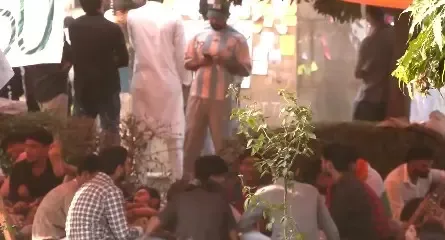
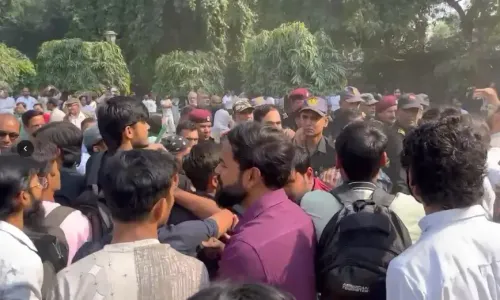
Jamia Millia Islamia students have flatly rejected the university administration's Monday concession as 'vague and inadequate,' refusing to call off their hunger strike — now entering its third week — until a firm timeline for restoring the students' union dissolved in 2006 is in writing, along with the resignations of senior officials.
Key Takeaways
Jamia Millia Islamia students formally wrote to the Vice-Chancellor on 26 October 2026 , declaring the hunger strike will continue.
The university administration on Monday agreed to hold students' union elections and draft a union constitution, but gave no timeline for either step.
Students rejected the order as 'vague and inadequate' , noting it also made no mention of the resignation of the Chief Proctor or Chief Security Advisor .
The protest began on 12 October , demanding restoration of the JMISU , dissolved in 2006 — nearly two decades ago.
Students have refused to apologise, citing their constitutional right to peaceful protest.
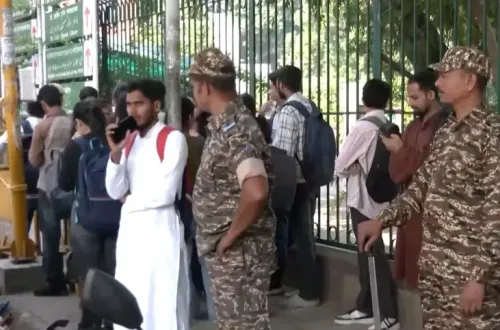
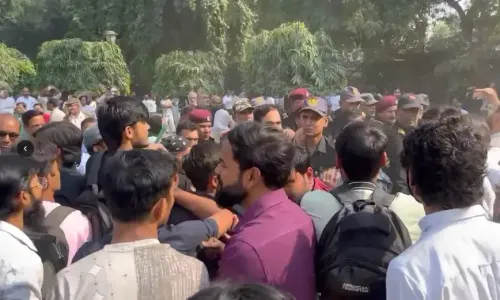
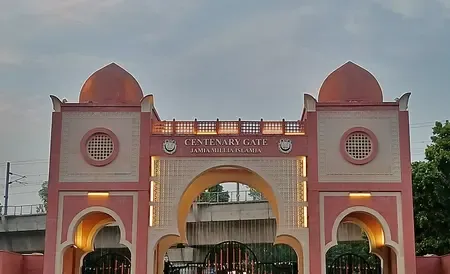
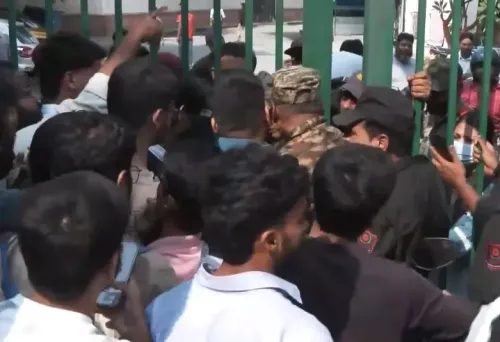
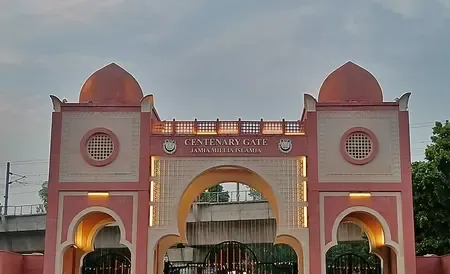
Students at Jamia Millia Islamia in New Delhi have declared their hunger strike and peaceful protest will continue, formally submitting a letter to the Vice-Chancellor on 26 October 2026 that rejects the university administration's Monday order as insufficient and demands full, time-bound compliance with their grievances. The protest, now in its third week, centres on the restoration of the Jamia Millia Islamia Students' Union (JMISU), dissolved in 2006.
Why Students Rejected the Administration's Order
The university administration on Monday acknowledged the protesters' core demands, agreeing to hold students' union elections and constitute a committee to draft a students' union constitution, while also stating that disciplinary action against protesters would be revoked. However, the order notably did not specify any timeline for these steps — stating only that elections would be held within 15 days of the approval of the union constitution, without committing to when that approval would occur.
Students swiftly characterised the response as a 'vague and inadequate order', pointing out that it provided 'neither a definite timeline for approval of the students' union constitution nor a clear roadmap for conducting union elections.' They also noted the order made no mention of the resignation of the Chief Proctor and the Chief Security Advisor — two demands that remain central to the agitation.
What the Students Are Demanding
In their letter to the Vice-Chancellor, the students outlined three non-negotiable demands: a clear timeline for the Students' Union Constitution and elections; the revocation of all disciplinary actions against protesters; and the resignation of the Chief Security Advisor. The students also categorically refused to apologise for participating in the protest.
'No protesting students will apologise for implementing their constitutional right of peacefully protesting,' the letter stated. They further urged the administration to 'ensure that the process of establishing the Students' Union proceeds within the stipulated timelines.'
Background: A Union Dissolved Since 2006
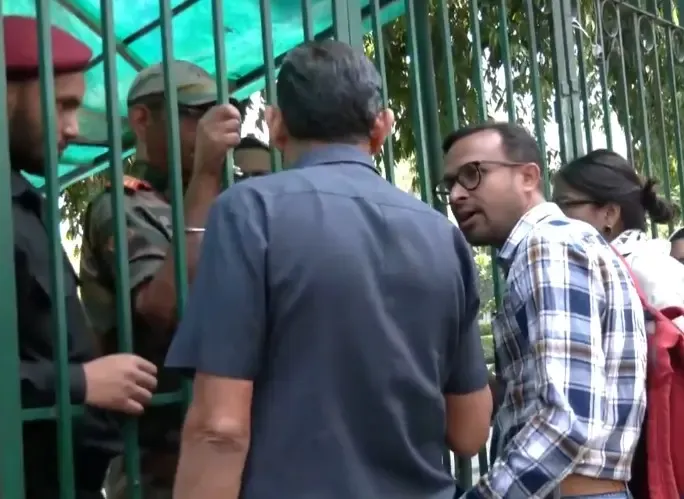
The protest began on 12 October, with students demanding the revival of the JMISU, which has remained dissolved for nearly two decades. Several students escalated to a hunger strike after the administration allegedly cracked down on demonstrators, prompting additional demands for the removal of senior security and proctorial officials. This is not the first time the absence of a functioning students' union at Jamia has sparked unrest — the two-decade gap in elected student representation has been a recurring source of campus discontent.
What Happens Next
The students have called on the university to provide a 'clear commitment' to facilitate the formation of a democratically elected Students' Union. With the hunger strike ongoing and no fresh timeline announced by the administration, the standoff appears set to continue unless the university issues a more specific response. All eyes are now on the Vice-Chancellor's office for a concrete reply to the students' formal letter.
Point of View
The university has effectively granted itself an indefinite deferral. The deeper issue is structural: a students' union dissolved in 2006 means an entire generation of Jamia students has had no elected representation, which normalises top-down governance and erodes the campus democratic culture. The demand for the Chief Proctor and Security Advisor's resignation signals that this is no longer just about elections — it is about accountability for the crackdown. Unless the administration names a specific date, it will have conceded in form while stonewalling in substance.
NationPress
26 Oct 2026
Frequently Asked Questions
Why are Jamia Millia Islamia students on a hunger strike?
Students at Jamia Millia Islamia have been protesting since 12 October 2026, demanding the restoration of the Jamia Millia Islamia Students' Union (JMISU), which was dissolved in 2006. They also want disciplinary actions against protesters revoked and senior officials — the Chief Proctor and Chief Security Advisor — to resign over an alleged crackdown on demonstrators.
What did the Jamia administration agree to on Monday?
The Jamia Millia Islamia administration agreed to hold students' union elections, constitute a committee to draft a students' union constitution, and revoke action against protesters. However, it did not provide a specific timeline for any of these steps, which students said made the order 'vague and inadequate.'
Why did students reject the administration's order?
Students rejected the Monday order because it lacked a definite timeline for approving the students' union constitution or conducting elections — stating only that elections would follow within 15 days of constitution approval, with no date set for that approval. The order also did not mention the demanded resignations of the Chief Proctor and Chief Security Advisor.
When was the Jamia Millia Islamia Students' Union dissolved?
The Jamia Millia Islamia Students' Union (JMISU) was dissolved in 2006, nearly two decades ago. Its prolonged absence has been a recurring source of campus discontent and is the central grievance behind the current protest.
What are the students' key demands?
The students are demanding a clear timeline for the Students' Union Constitution and elections, revocation of all disciplinary actions against protesters, and the resignation of the Chief Security Advisor. They have also categorically stated that no protesting student will apologise for exercising their constitutional right to peaceful protest.