Jammu border village families revive traditional stoves in answer to Modi's fuel-saving call
Synopsis
Families living metres from the Pakistan border in Jammu's Gajansu village have put away their LPG cylinders and revived wood-and-cow-dung stoves — answering PM Modi's call to conserve fuel during the West Asia-driven crude price surge. The same village that held firm through Operation Sindoor shelling is now leading a quiet, grassroots fuel-saving movement.
Key Takeaways
Around 40 families in Gajansu village , near the International Border in Jammu , switched to traditional stoves on 14 May .
The move responds to PM Narendra Modi 's appeal to save LPG, petrol, diesel, and cooking oil amid rising global crude prices linked to the West Asia conflict .
Residents cited health benefits and drew parallels with their compliance during Covid-19 lockdowns .
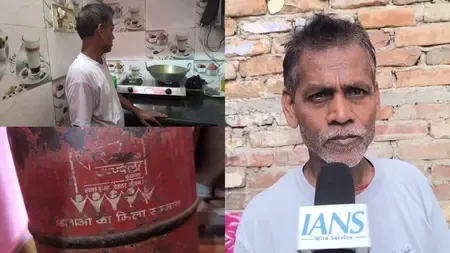
Resident Ashwani noted that border families did not evacuate during Operation Sindoor shelling and are again rallying behind a national call.
Villagers also urged citizens nationwide to carpool to reduce petrol and diesel consumption.
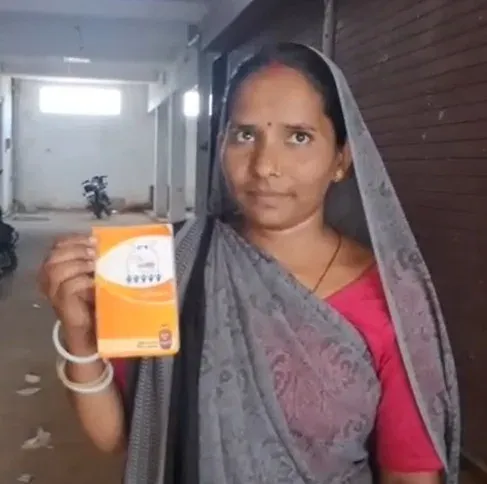
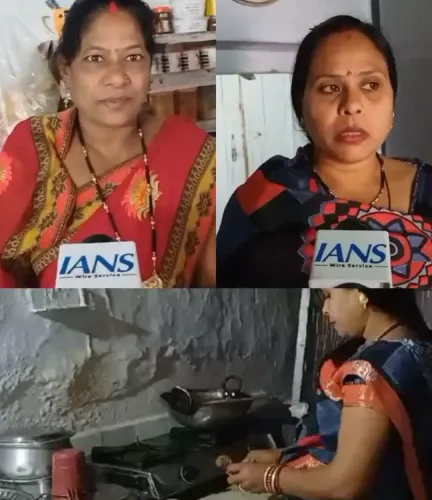
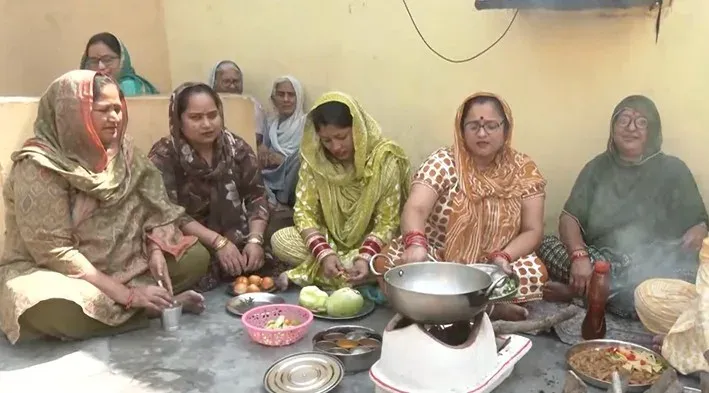
Around 40 families in Gajansu village, located near the International Border in Jammu, have switched to traditional wood-and-cow-dung stoves for cooking, responding to Prime Minister Narendra Modi's appeal to conserve fuel amid rising global crude oil prices. The pledge, made on 14 May, saw women in the village prepare chapattis and vegetables on traditional stoves, setting aside LPG cylinders.
Why PM Modi Made the Appeal
PM Modi's call to save petrol, diesel, LPG, and cooking oil — and to refrain from buying jewellery for a year — came against the backdrop of the ongoing West Asia conflict and the resulting spike in global crude oil prices. The appeal echoed similar nationwide directives issued during the Covid-19 pandemic, when the Prime Minister had urged citizens to follow lockdown guidelines.
What Residents of Gajansu Village Said
A woman from the village urged citizens across the country to make the same shift. 'Now is the time to rise when the country is facing difficulties. Everybody should shift to stoves to cook food to save cooking gas and oil,' she said.
Another resident drew a direct parallel with the pandemic period. 'There are 40 to 50 families in our village. Even during Covid, all of us followed the lockdown guidelines; this time too, we are adhering to his appeal,' she noted.
Residents also cited health and practical benefits of traditional stoves, arguing that food cooked on wood fires is healthier, that ash from the stoves can be used to clean utensils, and that cooking while seated is easier on the body than standing over a gas flame.
Border Resilience and Operation Sindoor
Ashwani, another resident of Gajansu, noted that border communities have a track record of standing firm during national crises. 'Even during Operation Sindoor, the majority of residents in border areas did not leave their houses despite shelling from Pakistan, and stood by the nation,' he said. He urged citizens to also carpool to conserve petrol and diesel, adding: 'There is nothing to be scared of, our country is independent enough.'
Broader Significance
The gesture from a village on the frontlines of India's border with Pakistan carries symbolic weight beyond fuel conservation. This is the second time in recent years — after the Covid lockdowns — that Gajansu residents have collectively responded to a prime ministerial call to action. Notably, the village's willingness to absorb hardship, from cross-border shelling to voluntarily giving up gas stoves, reflects a pattern of civic solidarity that resonates strongly in border districts of Jammu and Kashmir. Whether the initiative spreads to other villages and urban households will determine its practical impact on fuel demand.
Point of View
Not urban households making a symbolic gesture. Yet the real question is scale: 40 families switching stoves in one village does not move India's LPG import bill. PM Modi's fuel-saving appeal, however well-intentioned, lacks a structured demand-management framework — no subsidy restructuring, no carpooling incentive, no policy lever. Relying on voluntary sacrifice, however patriotic, is not an energy policy. If the West Asia disruption deepens, India will need more than goodwill from border villages.
NationPress
26 Sept 2026
Frequently Asked Questions
Why did PM Modi appeal to Indians to save fuel?
PM Modi urged citizens to conserve petrol, diesel, LPG, and cooking oil — and avoid buying jewellery for a year — in response to the ongoing West Asia conflict, which has driven up global crude oil prices. The appeal is aimed at reducing India's import burden during a period of international price volatility.
Which village in Jammu responded to PM Modi's fuel-saving appeal?
Gajansu village, located near the International Border in Jammu, saw around 40 families pledge to cook on traditional wood-and-cow-dung stoves instead of using LPG. The initiative was led by women in the village who prepared chapattis and vegetables on traditional stoves.
What is Operation Sindoor, mentioned by the villagers?
Operation Sindoor is a recent military operation referenced by Gajansu resident Ashwani, who noted that border-area families did not evacuate their homes despite shelling from Pakistan during the operation, underscoring the community's commitment to standing by the nation in times of crisis.
What benefits did Gajansu residents cite for cooking on traditional stoves?
Residents said food cooked on wood-fired stoves is healthier and requires less cooking oil. They also noted that the ash left after cooking can be used to clean utensils, and that cooking while seated is more comfortable than standing over a gas stove.
Is this the first time Gajansu village has responded collectively to a national appeal?
No. Residents drew a direct parallel with the Covid-19 pandemic, when the village collectively followed PM Modi's lockdown guidelines. This is at least the second instance of the community mobilising in response to a prime ministerial call to action.