PM Ujjwala Yojana transforms kitchens in MP's Damoh, 10.6 crore connections targeted
Synopsis
In Damoh, Madhya Pradesh, women who once cooked through clouds of wood-smoke now use LPG stoves — a ground-level snapshot of a scheme that has quietly crossed 10.35 crore connections and is pushing toward 10.6 crore. The Pradhan Mantri Ujjwala Yojana’s real test, however, lies not in connections distributed but in cylinders actually refilled.
Key Takeaways
Beneficiaries in Damoh, Madhya Pradesh report reduced smoke exposure, fewer respiratory ailments, and improved quality of life after receiving PMUY LPG connections .
The Pradhan Mantri Ujjwala Yojana was launched on 1 May 2016 in Ballia, Uttar Pradesh by Prime Minister Narendra Modi .
The original target of 8 crore connections was achieved in September 2019 , ahead of the March 2020 deadline.
Ujjwala 2.0 added 1.6 crore connections with migrant household provisions, completed by December 2022 , taking the total to 9.6 crore .
A further 75 lakh connections sanctioned for 2023-24 to 2025-26 were distributed by July 2024 , raising the total to 10.35 crore .
The Centre has approved an additional 25 lakh connections , setting a new cumulative target of 10.6 crore , with distribution currently underway.
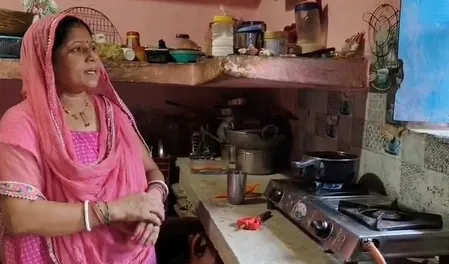
The Pradhan Mantri Ujjwala Yojana (PMUY) is delivering measurable change in Damoh district, Madhya Pradesh, where beneficiaries report that free LPG connections have eliminated smoke-filled kitchens, eased breathing difficulties, and lifted the daily burden on rural women who once cooked over wood-fired chulhas. The scheme, a flagship Centre initiative, has now set a cumulative target of 10.6 crore LPG connections nationwide.
Beneficiaries Speak: Life Before and After
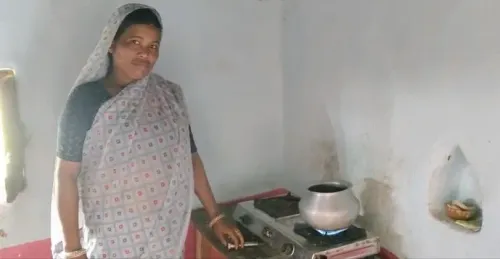
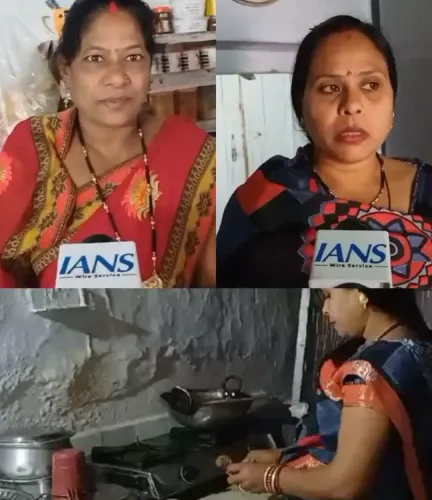
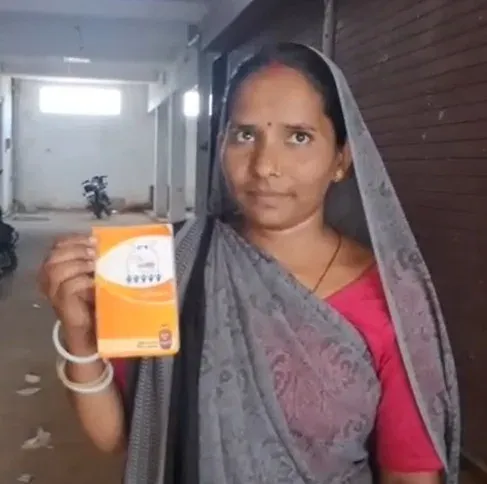
Damoh resident Kesarbai Kevat, a scheme beneficiary, described the shift as life-altering. 'We received an LPG gas cylinder and now cook our meals using it. Earlier, cooking over a traditional fire used to cause health problems for me. I used to be ill all the time, but now it’s changed. I thank the Prime Minister for this initiative. I also benefit a lot from the Ladli Behna Yojana,' she said.
Another beneficiary, Anita, echoed the sentiment. 'Earlier, we used to cook on a traditional wood-fired stove. Now, we cook on an LPG gas stove. Earlier, we had to deal with smoke, but now things are much better. All the credit goes to PM Modi and the Central government,' she said.
Bharti Ahirwal, a third beneficiary from the district, added: 'The LPG cylinders are really helpful to us. Earlier, I used to face problems while cooking on a traditional stove, but now it’s better. I don’t face any problem now. I thank the government for this.'
Scheme Background and Scale
Prime Minister Narendra Modi formally launched the Pradhan Mantri Ujjwala Yojana on 1 May 2016 in Ballia, Uttar Pradesh, targeting rural and economically deprived households dependent on firewood, coal, and cow-dung cakes for cooking. The widespread use of such fuels had long been linked to eye irritation, respiratory ailments, and broader environmental pollution — burdens borne disproportionately by women.
The scheme’s initial target of 8 crore LPG connections by March 2020 was achieved ahead of schedule, in September 2019, when Modi handed over the eight-crore connection in Aurangabad, Maharashtra.
Ujjwala 2.0 and Expanding Coverage
The government subsequently approved 1.6 crore additional connections under Ujjwala 2.0, which introduced special provisions for migrant households. That target was met by December 2022, taking the cumulative total to 9.6 crore connections.
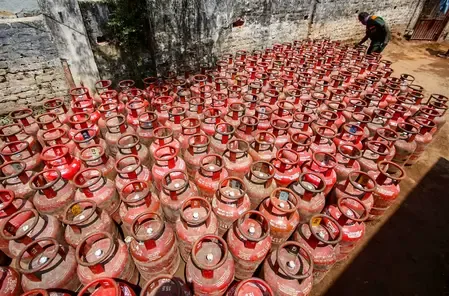
A further 75 lakh connections were sanctioned under Ujjwala 2.0 for the three financial years from 2023-24 to 2025-26, a target achieved in July 2024, pushing the total to 10.35 crore. The Centre has since approved an additional 25 lakh connections, raising the overall target to 10.6 crore, with distribution currently underway across the country.
Health and Environmental Impact
Health experts have long flagged indoor air pollution from biomass burning as a leading cause of chronic respiratory disease among rural women in India. By replacing traditional chulhas with LPG stoves, the scheme directly addresses what the World Health Organization (WHO) has described as one of the most significant environmental health risks in low-income households. The on-ground accounts from Damoh illustrate how policy outcomes are being felt at the household level, even if independent, large-scale health impact assessments remain limited in public domain.
What Comes Next
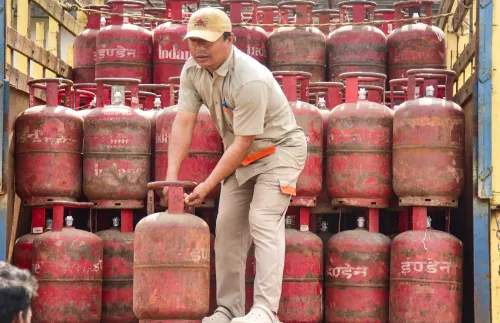
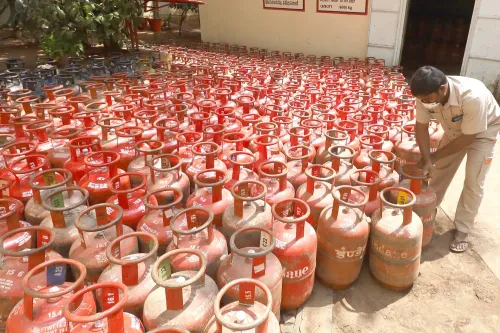
With the distribution of the latest 25 lakh connections ongoing, the focus will shift to ensuring sustained cylinder refills — a challenge that has historically affected scheme retention rates in poorer households. Affordability of refills and last-mile delivery infrastructure will determine whether the gains witnessed in Damoh translate into a durable national outcome.
Point of View
But they represent active users; the harder story is the proportion who received a connection and quietly went back to the chulha. Until refill affordability is structurally resolved — through sustained subsidies or income support — the headline figure of 10.6 crore risks overstating the scheme’s durable health dividend.
NationPress
16 Sept 2026
Frequently Asked Questions
What is the Pradhan Mantri Ujjwala Yojana?
The Pradhan Mantri Ujjwala Yojana (PMUY) is a Central government scheme launched on 1 May 2016 in Ballia, Uttar Pradesh, to provide free LPG connections to rural and economically deprived households that relied on firewood, coal, or cow-dung cakes for cooking. It aims to reduce indoor air pollution and its associated health risks, particularly for women.
How many LPG connections have been distributed under the scheme so far?
As of July 2024, a total of 10.35 crore LPG connections had been distributed under the Pradhan Mantri Ujjwala Yojana. The Centre has since approved 25 lakh additional connections, raising the overall target to 10.6 crore, with distribution currently ongoing.
What is Ujjwala 2.0 and how does it differ from the original scheme?
Ujjwala 2.0 is an expanded phase of the scheme that introduced special provisions for migrant households who may lack standard address documentation. It added 1.6 crore connections (target met by December 2022) and a further 75 lakh connections for 2023-24 to 2025-26, completed by July 2024.
How has the scheme benefited women in Damoh, Madhya Pradesh?
Beneficiaries in Damoh report that replacing wood-fired chulhas with LPG stoves has eliminated chronic smoke exposure, reducing eye irritation, breathing difficulties, and other health problems they previously experienced daily. Multiple residents credited the scheme with a significant improvement in their overall health and quality of life.
What is the main challenge facing the Ujjwala Yojana going forward?
The primary challenge is ensuring that beneficiaries continue to use LPG rather than reverting to traditional biomass fuels. Affordability of cylinder refills and last-mile delivery infrastructure are critical factors, as the cost of refills can be prohibitive for households at the lowest income levels.