What Happened in Dhaka? Journalists Injured Amidst Clashes Between Inqilab Mancha Activists and Police Over Hadi’s Death
Synopsis
In a shocking turn of events in Dhaka, clashes erupted between police and Inqilab Mancha activists, resulting in injuries to over 50 individuals, including journalists. This incident underscores the escalating threats faced by media professionals in Bangladesh amidst calls for justice. What does this mean for press freedom and public safety in the country?
Key Takeaways
Over 50 injured in clashes between police and Inqilab Mancha activists.
Increased threats against journalists since the interim government took over.
Police utilized tear gas and baton charges to disperse protesters.
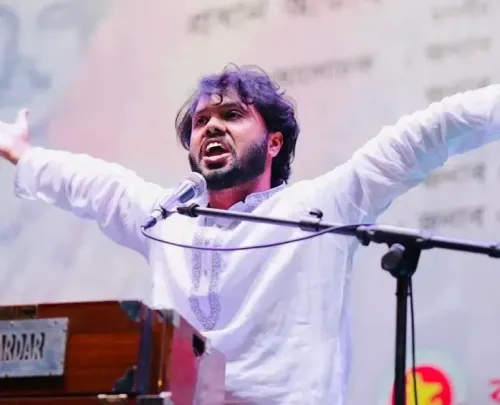
Calls for justice for Sharif Osman Hadi continue to escalate.
DUJA condemns attacks on journalists and demands accountability.
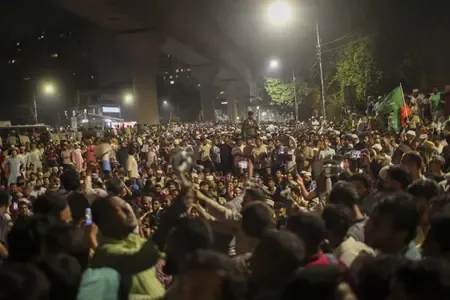
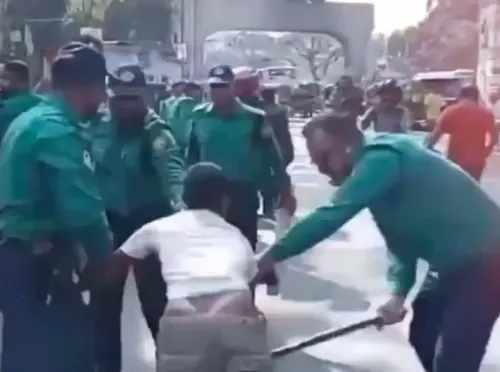
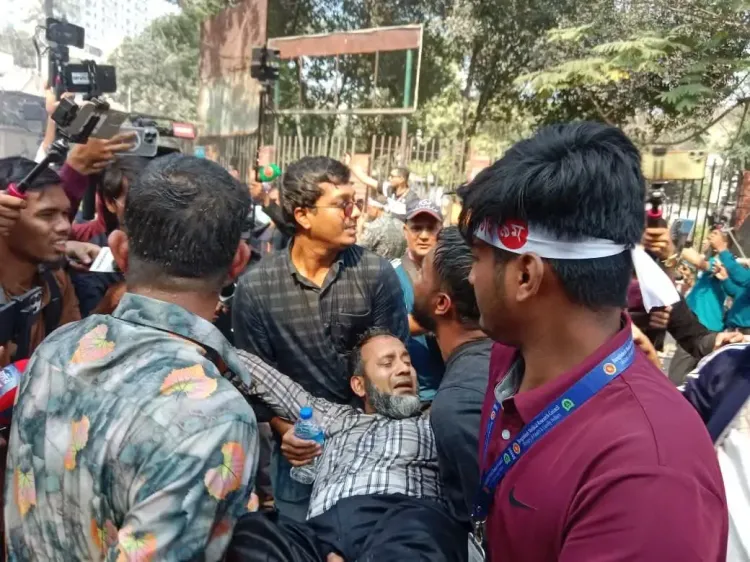
Dhaka, Feb 7 (NationPress) At least 50 individuals, including multiple journalists, sustained injuries as violence erupted between law enforcement officials and Inqilab Mancha supporters in the Shahbagh area of Dhaka. Police utilized baton charges, tear gas, and sound grenades to disperse the crowd, as reported by local media on Saturday.
This incident follows a pattern of increasing threats towards journalists since the interim government assumed power in Bangladesh. There has been a notable rise in assaults on media professionals over the past year.
The clashes reportedly began at around 7:50 p.m. on Friday when officers attempted to clear activists from the Shahbagh intersection.
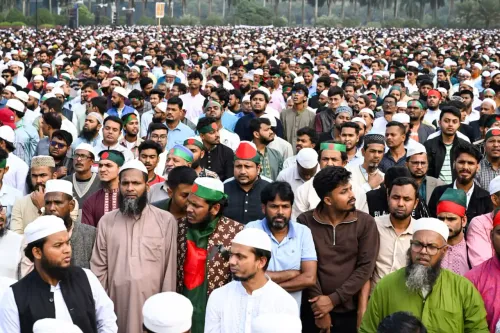
Tensions had been escalating throughout the afternoon, with protesters gathering to demand justice for the death of Sharif Osman Hadi and calling for a UN-led investigation, as described by the prominent Bangladeshi newspaper, The Dhaka Tribune.
After concluding Friday prayers, demonstrators proceeded from Shahbagh towards the residence of Chief Advisor Muhammad Yunus at Jamuna.
During their march, activists breached police barricades at the InterContinental intersection until security forces intervened to disband them.
By approximately 10:30 p.m., protesters vacated the Shahbagh area after engaging in confrontations with police.
Reports indicate that police employed tear gas and sound grenades to control the crowd, with skirmishes between protesters and law enforcement continuing until about 9 p.m.
In response to the violence, security measures were intensified at the offices of major Bangladeshi publications The Daily Star and Prothom Alo following the altercations near the InterContinental intersection.
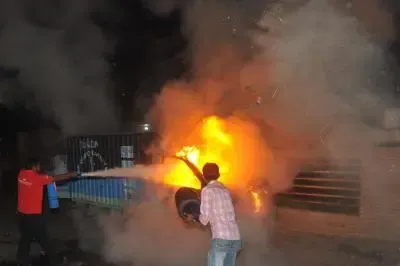
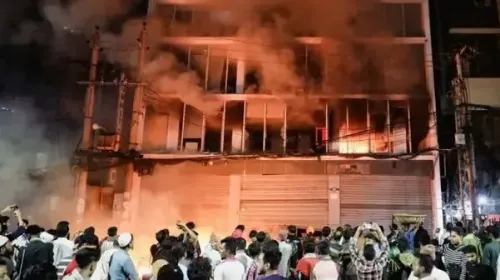
These precautionary steps evoked memories of a previous incident on December 18 last year when the offices of Prothom Alo and The Daily Star were attacked, vandalized, and set ablaze after the death of Inqilab Mancha’s former convenor, Sharif Osman Hadi.
In that incident, hundreds were named in complaints, leading to the arrest of 28 suspects.
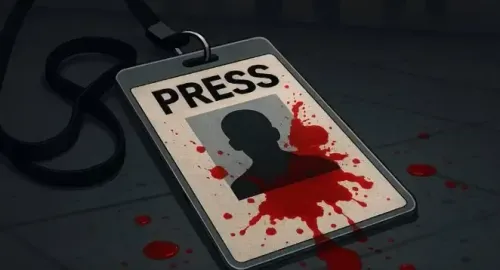
Meanwhile, the Dhaka University Journalists’ Association (DUJA) issued a strong denunciation and protest regarding the reported attacks and intimidation faced by journalists while fulfilling their duties.
In a statement released on Friday afternoon, DUJA stated that several journalists, including Jugantor correspondent Abu Saleh Musa, were assaulted and injured by law enforcement while covering the protests.
The association accused some members of the security forces of acting in an unconstitutional manner by physically attacking journalists, hindering their duties, and damaging their equipment, as reported by The Dhaka Tribune.
Characterizing the incidents as a severe infringement on press freedom, DUJA claimed that the obstruction and assault on journalists represented a direct threat to independent media.
The association vehemently condemned what it deemed a targeted and disgraceful attack, demanding the identification and swift prosecution of those responsible for these actions.
Point of View
It is crucial to recognize the serious implications of the violence against journalists in Dhaka. The rise in assaults on media personnel not only threatens press freedom but also undermines the public's right to information. It is essential for authorities to ensure the safety of journalists and uphold the principles of democracy.
NationPress
3 Oct 2026
Frequently Asked Questions
What sparked the clashes in Dhaka?
The clashes were sparked by police attempts to disperse Inqilab Mancha activists who were protesting for justice over the killing of Sharif Osman Hadi.
How many were injured during the protests?
At least 50 individuals, including several journalists, sustained injuries during the confrontations.
What actions did the police take to control the situation?
Police resorted to baton charges, tear gas, and sound grenades to disperse the protesters.
What has been the response from journalist associations?
The Dhaka University Journalists’ Association (DUJA) condemned the attacks on journalists and demanded accountability for those responsible.
What historical context surrounds these events?
The violence follows a pattern of increasing threats against journalists in Bangladesh, particularly after the interim government took office.