Is the Impeachment of Justice G.R. Swaminathan a Threat to Judicial Independence?
Synopsis
A group of former judges has united in a strong rebuke against the impeachment proceedings initiated against Justice G.R. Swaminathan. They warn that this attempt not only undermines an individual judge but poses a grave threat to judicial independence and democracy itself. It’s a call to action for all to protect the integrity of the judiciary.
Key Takeaways
Former judges have united against impeachment efforts.
Judicial independence is vital for democracy.
Political interference poses long-term threats to the judiciary.
Historical precedents highlight the dangers of such actions.
All stakeholders must act to protect judicial integrity.
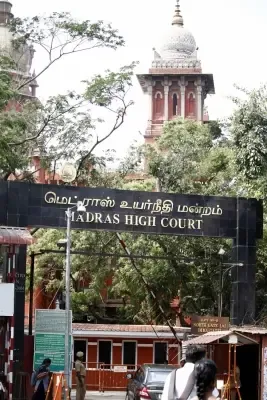
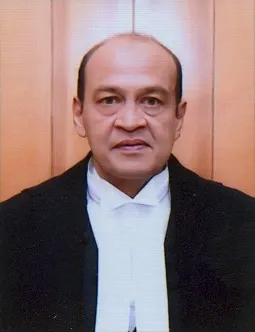
New Delhi, Dec 12 (NationPress) A collective of former judges from the Supreme Court, along with ex-Chief Justices of High Courts and esteemed High Court judges, have released a joint statement denouncing a “deeply troubling” move to commence impeachment proceedings against Justice G.R. Swaminathan of the Madras High Court.
The statement described the initiative -- spearheaded by certain Members of Parliament and backed by a handful of senior advocates -- as a “brazen attempt” to intimidate a sitting judge merely because his legal reasoning diverges from the “ideological and political expectations” of a specific group.
The retired judges warned that allowing such actions to advance would “undermine the very foundations of our democracy and the autonomy of the judiciary.”
The statement emphasized that even if the claims made by the initiating MP were accepted at face value, they were “utterly insufficient” to warrant impeachment.
It pointed out the historical instances, such as the supersession of three senior Supreme Court judges after the Kesavananda Bharati verdict and the sidelining of Justice H.R. Khanna following his notable dissent in the ADM Jabalpur case, as stark reminders of the risks associated with political interference.
According to the former judges, the judiciary has “withstood the test of time and external pressures” despite such challenges.
The current situation is seen as part of a “clear and deeply troubling pattern” where segments of the political sphere aim to discredit and intimidate the higher judiciary whenever judicial results do not align with their interests.
“This move represents an attempt to weaponize impeachment and public defamation as tools of coercion -- practices that strike at the core of judicial independence and the fundamental principles of constitutional democracy,”
they added.
Labeling the actions against Justice Swaminathan as a “continuing assault on the dignity and independence of the judicial institution”, the retired judges cautioned that while the focus may be on a single judge today, “tomorrow, it could be the entire institution.”
They called upon all stakeholders -- Members of Parliament from all parties, the Bar, civil society, and the public -- to “unequivocally denounce this move” and ensure it is “stopped in its tracks at the outset.”
The former judges emphasized that judicial accountability arises from a judge’s commitment to the Constitution, not from “partisan pressures or ideological intimidation.”
“In a Republic governed by the rule of law, judicial decisions are challenged through appeals and informed legal critique -- not through threats of impeachment for political non-conformity,”
they concluded.
Point of View
I believe that the actions against Justice G.R. Swaminathan are indicative of a broader trend of political interference in the judiciary. This situation underscores the need for robust protections for judicial independence to preserve the integrity of our democratic institutions. It is crucial for all stakeholders to stand united against such threats.
NationPress
25 Sept 2026
Frequently Asked Questions
What triggered the impeachment proceedings against Justice Swaminathan?
The impeachment proceedings were initiated primarily due to perceived discrepancies between Justice Swaminathan's judicial reasoning and the ideological expectations of certain political factions.
Who has condemned these impeachment efforts?
A group of former Supreme Court judges, ex-Chief Justices of High Courts, and senior High Court judges have condemned the impeachment efforts as a threat to judicial independence.
What are the historical precedents for political interference in the judiciary?
Historical instances include the supersession of senior Supreme Court judges after landmark rulings and the sidelining of Justice H.R. Khanna due to his dissent in a significant case.
Why is judicial independence crucial for democracy?
Judicial independence is essential for upholding the rule of law and ensuring that justice is administered without fear or favor, which is fundamental for a functioning democracy.
What can citizens do in response to this situation?
Citizens are encouraged to voice their concerns and support efforts that protect the independence of the judiciary from political pressures.