Karnataka bandh sees muted response; schools open, Vatal Nagaraj detained
Synopsis
A Karnataka-wide bandh over Cauvery water release to Tamil Nadu barely dented normal life on 13 August — schools stayed open, buses ran, and markets functioned. But with Vatal Nagaraj detained, empty-pot protests in Ramanagara, and farmer groups heading to CM Shivakumar's residence, the political pressure on the state government over the CWMA directive is far from over.
Key Takeaways
A Karnataka bandh was called on 13 August by Kannada and pro-farmer groups opposing the release of Cauvery water to Tamil Nadu .
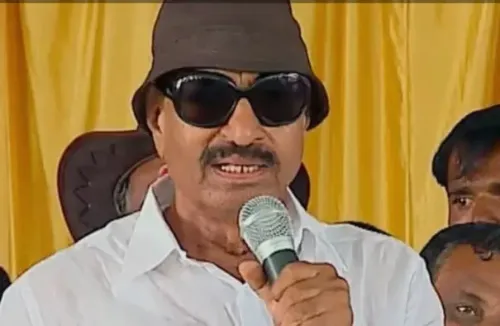
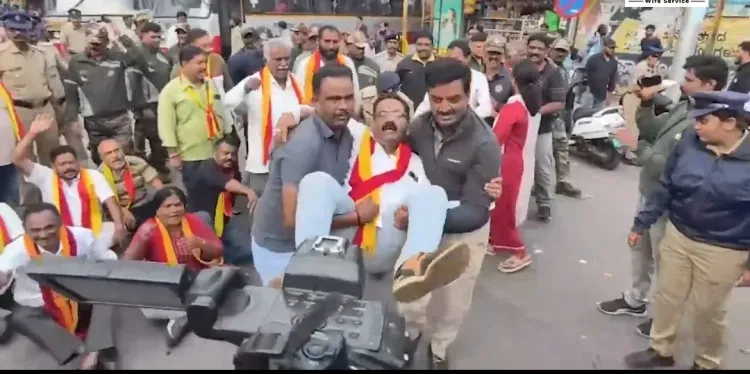
Vatal Nagaraj , President of the Federation of Kannada Organisations , was detained by police as a precautionary measure.
Schools, colleges, shops, and public transport functioned normally across Bengaluru and most of the state.
Bus services between Karnataka and Tamil Nadu were temporarily suspended as a precaution.
Protests intensified in Ramanagara , with activists carrying empty pots to highlight drinking water shortages.
Farmer and Kannada organisations were set to meet Chief Minister D.K.
Shivakumar at 10 am to submit a memorandum opposing the CWMA directive.
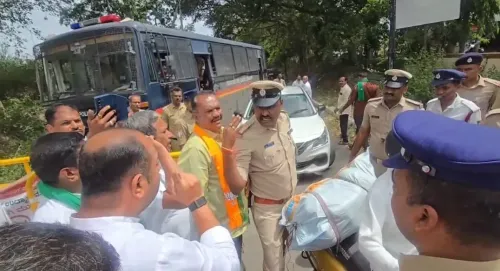
A Karnataka bandh called by Kannada and pro-farmer organisations on Thursday, 13 August to protest the release of Cauvery water to Tamil Nadu drew a largely muted response across the state, with normal life continuing in Bengaluru and most districts. Schools, colleges, shops, and commercial establishments functioned as usual, even as police detained several Kannada activists as a precautionary measure.
Key Developments
The bandh was called to oppose directions issued by the Cauvery Water Management Authority (CWMA) and the Cauvery Water Regulation Committee (CWRC) mandating the release of Cauvery river water to Tamil Nadu. Vatal Nagaraj, President of the Federation of Kannada Organisations (also known as Kannada Okkoota) and President of Kannada Chaluvali Vatal Paksha, was detained by police after he joined the protest.
Police deployed tight security across Bengaluru and warned activists against forcibly shutting down shops or other establishments. Authorities appealed to protesters to maintain peace throughout the day.
Normal Life Largely Unaffected
Schools and colleges across the state remained open, with students attending classes and examinations as scheduled. No holiday was declared for educational institutions. Parents' organisations chose not to support the bandh, citing the inconvenience to students appearing for exams.
Public transport services continued to operate normally within the state. Shops and markets in most districts opened as usual, with many extending only symbolic or moral support to the bandh call. Most commercial activity proceeded without disruption.
Precautionary Suspension of Inter-State Bus Services
As a precautionary step, bus services between Karnataka and Tamil Nadu were temporarily suspended, causing inconvenience to passengers travelling between the two states. The suspension was described as a preventive measure by authorities.
Protests on the Ground
In Ramanagara, demonstrations intensified at Ijuru Circle, a major junction in the city. Activists of Karunadu Sene and the Karnataka Rakshana Vedike (Praveen Shetty faction) staged a large protest, carrying empty pots to draw attention to the drinking water shortage reportedly affecting several parts of Karnataka.
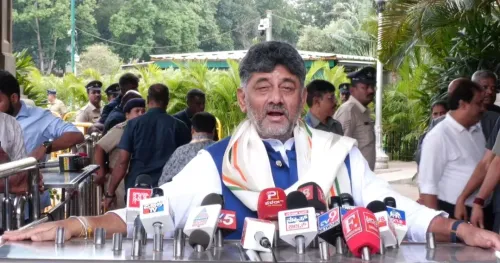
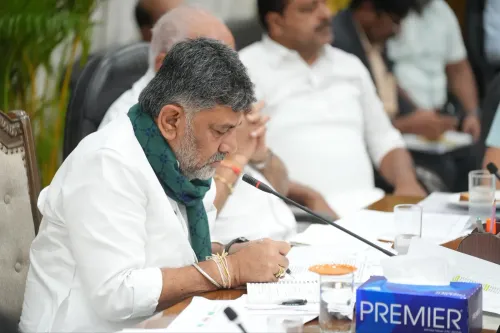
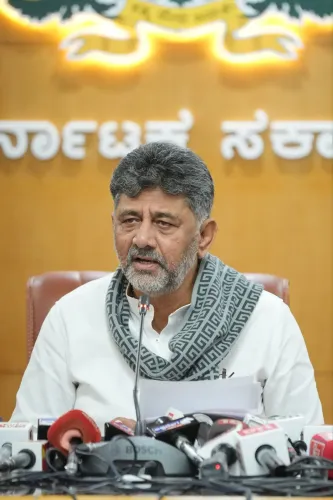
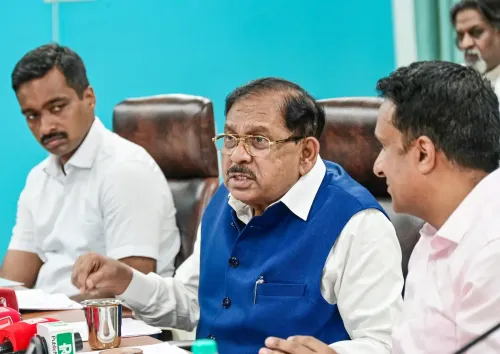
Major Kannada and farmer organisations were scheduled to meet Chief Minister D.K. Shivakumar at his residence in Sadashivanagar at 10 am to submit a memorandum opposing the Cauvery water release directive.
Background: The Cauvery Dispute
The Cauvery water-sharing dispute between Karnataka and Tamil Nadu is a long-standing inter-state conflict, with periodic directives from central regulatory bodies triggering protests in Karnataka. Farmers in the state argue that releasing water downstream compromises their own irrigation and drinking water needs, particularly during lean monsoon periods. This is not the first time a bandh has been called over such directives — similar shutdowns have been staged in previous years with comparable mixed responses.
With the CM's meeting with farmer and Kannada groups underway, the state government's formal position on the CWMA directive is expected to emerge shortly.
Point of View
Inter-state bitterness, and Karnataka governments performing resistance without delivering relief. Unless Shivakumar can extract a credible concession from the Centre or challenge the CWMA order legally, today's symbolism will repeat itself at the next directive cycle.
NationPress
27 Sept 2026
Frequently Asked Questions
Why was the Karnataka bandh called on 13 August?
The bandh was called by Kannada and pro-farmer organisations to protest directives from the Cauvery Water Management Authority (CWMA) and the Cauvery Water Regulation Committee (CWRC) ordering Karnataka to release Cauvery river water to Tamil Nadu. Protesters argue the release worsens drinking water and irrigation shortages in Karnataka.
Who is Vatal Nagaraj and why was he detained?
Vatal Nagaraj is the President of the Federation of Kannada Organisations (Kannada Okkoota) and of Kannada Chaluvali Vatal Paksha. He was detained by police on 13 August after joining the bandh protest, as part of precautionary measures to prevent unrest.
Did the Karnataka bandh affect schools and public transport?
No. Schools, colleges, and public transport services functioned normally across Bengaluru and most of the state. Parents' organisations declined to support the bandh to avoid disrupting classes and examinations.
Were any services disrupted during the Karnataka bandh?
Inter-state bus services between Karnataka and Tamil Nadu were temporarily suspended as a precautionary measure, causing inconvenience to passengers. Within the state, transport and commercial activity remained largely unaffected.
What is the Cauvery water dispute between Karnataka and Tamil Nadu?
The Cauvery dispute is a long-standing inter-state conflict over the sharing of water from the Cauvery river. Central regulatory bodies periodically direct Karnataka to release water to Tamil Nadu, which triggers protests from farmers and Kannada groups who argue it compromises their own water needs.