Is Karnataka Government's Hate Speech Regulation Bill Unconstitutional?
Synopsis
The BJP has strongly condemned the Karnataka government's Hate Speech Regulation Bill, labeling it unconstitutional. With a promise of legal action, BJP leaders argue that the bill threatens free speech and personal liberties. As tensions rise in Karnataka, the implications of this legislation could reshape political discourse in the state.
Key Takeaways
The Hate Speech Regulation Bill has been labeled unconstitutional by the BJP.
Basavaraj Bommai has promised a legal challenge against the bill.
The bill proposes severe penalties for hate speech offenders.
Opposition leaders argue it threatens freedom of speech .
Karnataka's government claims it aims to uphold peace and order .
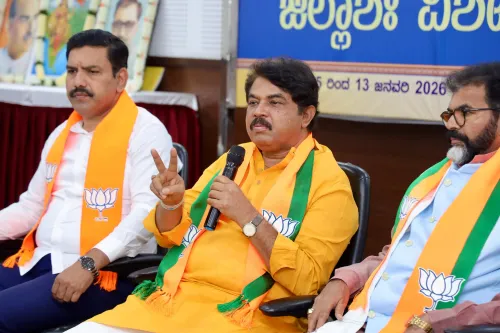
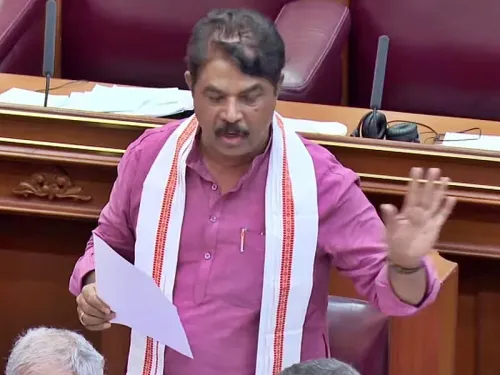
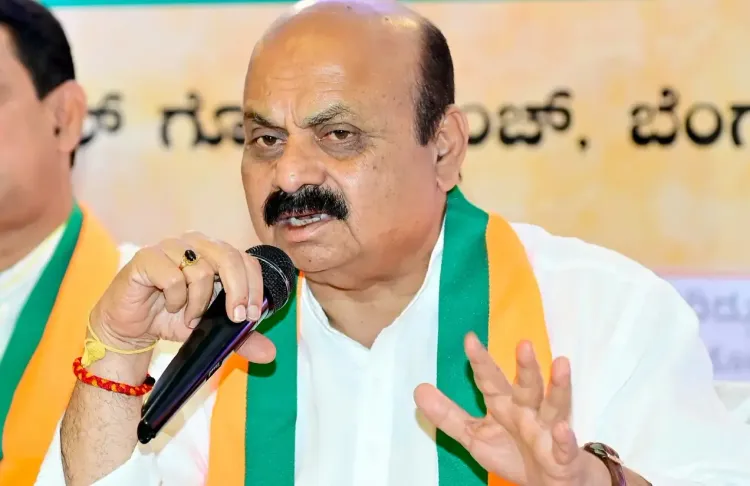
Bengaluru, Dec 11 (NationPress) Criticizing the Congress-led administration for introducing the Hate Speech Regulation Bill in the Karnataka Assembly, BJP MP Basavaraj Bommai declared it as "unconstitutional".
He emphasized that the BJP vehemently opposes the bill and is prepared to initiate a legal challenge.
In a statement on X on Thursday, Bommai asserted that the new legislation proposed by the Karnataka state government violates constitutional rights.
The former Chief Minister argued that the law infringes upon freedom of speech and personal liberty.
"Existing laws are adequate to combat hate speech, and they can be effectively utilized. However, by introducing a law that imposes a ten-year prison term and allows for non-bailable warrants, the government is conspiring to imprison anyone who criticizes it or its political party. This undermines democracy," he contended.
Bommai remarked that it seems as though an "Emergency" has been declared in Karnataka.
"The government, which has failed to deliver on development and is mired in corruption across all sectors, has now introduced a draconian law aimed at silencing dissent against its misdeeds. This tarnishes Siddaramaiah's political legacy. The Chief Minister, who claims to uphold personal liberty and the Constitution, is acting in direct contradiction to those very values. We denounce this, and the BJP will engage in a legal battle against it," he cautioned.
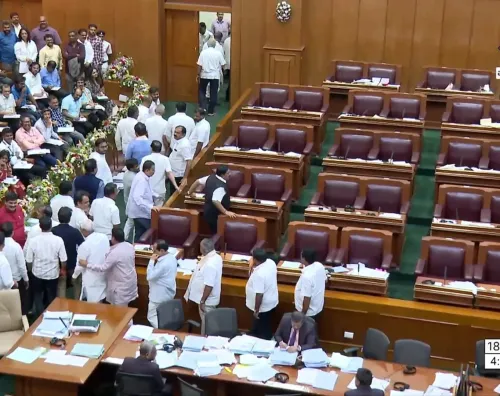
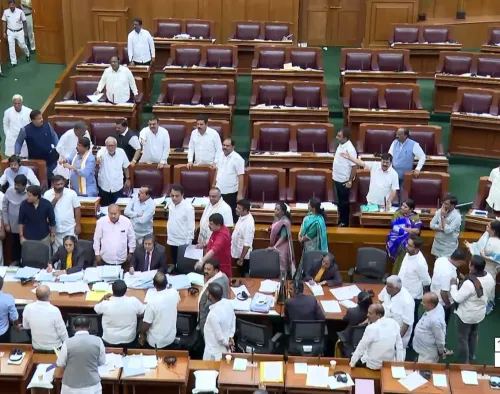
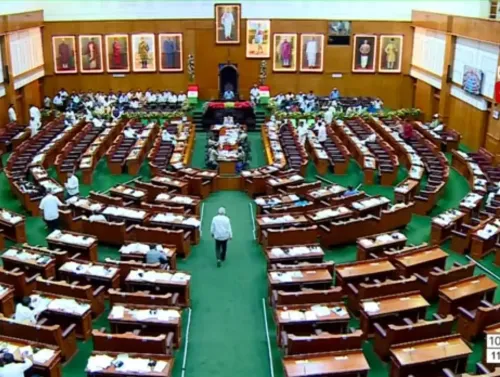
The Congress government in Karnataka officially presented the Karnataka Hate Speech and Hate Crimes (Prevention and Control) Bill, 2025, in the Assembly on Wednesday.
State Law and Parliamentary Affairs Minister H.K. Patil introduced the bill amidst strong resistance from BJP leaders.
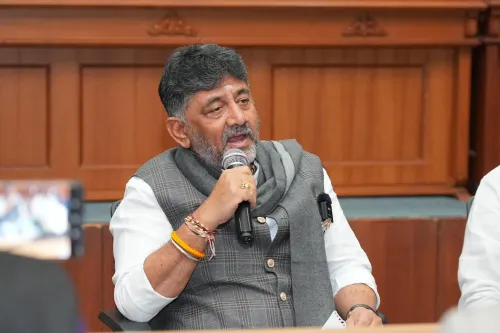
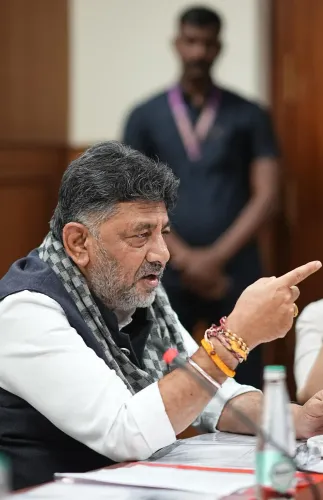
Karnataka Deputy Chief Minister D.K. Shivakumar stated on Wednesday that the introduction of the Hate Speech Regulation Bill aligns with "our government's agenda" to "maintain peace and law and order in our state".
The bill aims to classify hate crime offenses as actions that harm, incite harm, or promote hatred against individuals based on their actual or perceived religion, race, caste or community, sex, gender, sexual orientation, place of birth, residence, language, disability, tribe, or due to their association with groups sharing such characteristics.
Point of View
This situation highlights the ongoing tensions between state governance and individual rights. While the intent behind the Hate Speech Regulation Bill may be to promote peace, the concerns raised by opposition leaders regarding freedom of expression cannot be overlooked. It is crucial for any legislation to balance the need for public safety with the preservation of democratic values.
NationPress
20 Sept 2026
Frequently Asked Questions
What is the Hate Speech Regulation Bill?
The Hate Speech Regulation Bill aims to prevent hate crimes and regulate hate speech in Karnataka by imposing penalties for actions that incite or promote hatred based on various characteristics.
Why does the BJP oppose this bill?
The BJP opposes the bill, claiming it is unconstitutional and a threat to freedom of speech and personal liberty.
What are the potential consequences of this bill?
The bill proposes severe penalties, including ten years of imprisonment and non-bailable warrants for offenders, which might discourage free expression.
Who presented the bill in the Karnataka Assembly?
The bill was presented by State Law and Parliamentary Affairs Minister H.K. Patil amidst significant opposition from BJP leaders.
What is the government's justification for this bill?
The Karnataka government argues that the bill is part of its agenda to maintain peace and law and order in the state.