Karnataka to make digital metres mandatory for Ola, Uber, autos from Jan 2027
Synopsis
Karnataka is set to fundamentally reshape urban mobility rules from January 2027 — mandatory digital metres for every cab and auto will end arbitrary Ola-Uber surge pricing, while footpath fines triple and half helmets face a state-wide ban. Transport Minister Bhairathi Suresh is simultaneously clearing a four-year salary backlog for transport workers, signalling a sweeping reset of the sector.
Key Takeaways
Digital metres will be mandatory for Ola, Uber , private taxis, and autorickshaws in Karnataka from New Year 2027 ; non-compliant vehicles will be seized.
A dedicated squad of 20 enforcement personnel will target vehicles at Bengaluru airport routes.
Fine for two-wheeler riders on footpaths increases from ₹1,000 to ₹5,000 (first offence), ₹10,000 (second), and vehicle seizure on a third violation.
Karnataka will impose a state-wide ban on half helmets , including action against manufacturers.
The government released a third instalment of ₹280 crore in salary arrears to transport employees; total paid now stands at ₹900 crore of ₹1,271 crore owed.
Karnataka Transport Minister Bhairathi Suresh on Monday, 16 November 2026, announced that the installation of digital metres will be mandatory for all app-based cab aggregators including Ola and Uber, private taxis, and autorickshaws starting from the New Year. Vehicles found operating without compliant metres after the rules take effect will be liable for seizure, he warned.
What the New Rule Covers
Speaking to reporters in Bengaluru, Suresh said the move is aimed at curbing unilateral fare fixation by cab aggregators — a longstanding grievance of state-based cab owner associations. The government considers the demand justified and is in the final stages of drafting the necessary rules and legislation for implementation.
'Whether it is Uber, Ola or privately owned taxis, everyone will have to install digital metres. Even autorickshaws will have to comply. Once the rule is implemented, no one will be spared,' Suresh said.
Vehicles operating to and from Bengaluru airport without digital metres will be specifically targeted. A dedicated enforcement squad of 20 personnel will be formed to identify and seize violating vehicles.
Crackdown on Footpath Riding by Two-Wheelers
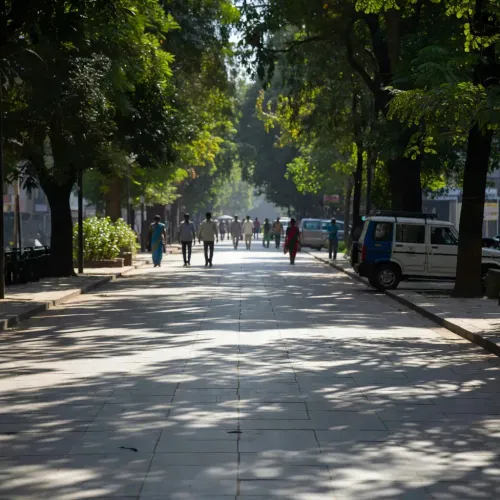
The minister separately announced a sharp increase in fines for two-wheeler riders who use footpaths. The penalty will be raised from ₹1,000 to ₹5,000 for a first offence, escalating to ₹10,000 for a second violation. A third offence will result in vehicle seizure.
'Where should pedestrians walk if two-wheelers use footpaths? Poor people who walk on footpaths could lose their lives. I am concerned about their safety,' Suresh said, citing the safety rationale behind the stricter penalties.
State-Wide Ban on Half Helmets
Suresh also confirmed that the Karnataka government plans to impose a state-wide ban on half helmets, with action to be taken against manufacturing units producing them. The process of finalising the required rules and legal provisions is in its final stages.
'I am personally opposed to half helmets. However, I also have to safeguard the interests of those involved in the business,' he said, acknowledging the economic dimension of the decision.
The minister pointed to the high incidence of head injuries seen at hospitals such as NIMHANS and Sanjay Gandhi Hospital, noting that half helmets can easily dislodge during accidents and offer protection comparable to a cap rather than a full helmet.
₹280 Crore Released for Transport Employee Salary Arrears
In a separate development, the state government released a third instalment of ₹280 crore under the Chief Minister's special grant towards salary arrears owed to transport corporation employees. The total outstanding arrears stand at ₹1,271 crore, accumulated over four years.
Of this, ₹450 crore was disbursed in the first instalment and ₹170 crore in the second, bringing the total paid so far to ₹900 crore. Suresh thanked the Chief Minister for authorising the latest release.
All the announced measures — digital metres, footpath fine hikes, and the half-helmet ban — are expected to be formally notified ahead of the New Year, with enforcement squads readied for rollout.
Point of View
With surge pricing often leaving commuters with no recourse. The real enforcement test will come at Bengaluru airport routes, where unmetered premium fares are most entrenched and driver resistance is highest. The half-helmet ban, meanwhile, is a genuinely consequential road-safety move, but its success will hinge on whether the government follows through on action against manufacturers rather than merely penalising riders. And while the ₹280 crore instalment is welcome, the state still owes transport workers ₹371 crore — a reminder that fiscal pressure on Karnataka's transport corporations remains unresolved.
NationPress
16 Nov 2026
Frequently Asked Questions
When will digital metres become mandatory for Ola, Uber and autos in Karnataka?
Digital metres will be mandatory from the New Year, i.e., from January 2027, as announced by Karnataka Transport Minister Bhairathi Suresh on 16 November 2026. The government is in the final stages of drafting the necessary rules and legislation.
What happens if a cab or auto operates without a digital metre in Karnataka?
Vehicles found operating without a digital metre after the rule takes effect will be liable for seizure. A dedicated enforcement squad of 20 personnel will be formed specifically to identify and seize violating vehicles, with a special focus on airport routes.
What are the new fines for two-wheelers riding on footpaths in Karnataka?
The fine will increase from ₹1,000 to ₹5,000 for a first offence and ₹10,000 for a second offence. A third violation will result in the vehicle being seized.
Why is Karnataka banning half helmets?
The government argues that half helmets offer inadequate protection in accidents, as they can easily dislodge and function more like caps than protective gear. Minister Suresh cited the high number of head-injury patients at hospitals like NIMHANS and Sanjay Gandhi Hospital as evidence of the risk.
How much salary arrears have been paid to Karnataka transport employees so far?
The government has paid ₹900 crore of a total ₹1,271 crore owed in salary arrears over four years — ₹450 crore in the first instalment, ₹170 crore in the second, and ₹280 crore in the latest third instalment released under the Chief Minister's special grant.