Kejriwal Submits New Affidavit Seeking Justice Sharma's Recusal Over Family Ties to Government Counsel
Synopsis
Arvind Kejriwal has filed a new affidavit requesting the recusal of Justice Swarana Kanta Sharma from a pivotal CBI case, citing potential conflicts of interest due to the judge’s family's legal ties with the government. This move raises significant questions about judicial impartiality amidst a politically charged environment.
Key Takeaways
Kejriwal's affidavit raises concerns about judicial impartiality.
Justice Sharma's family ties to government counsel are at the center of allegations.
The CBI case involves politically sensitive accusations against Kejriwal.
The outcome could impact perceptions of judicial independence.
Fair legal processes are critical in politically charged cases.
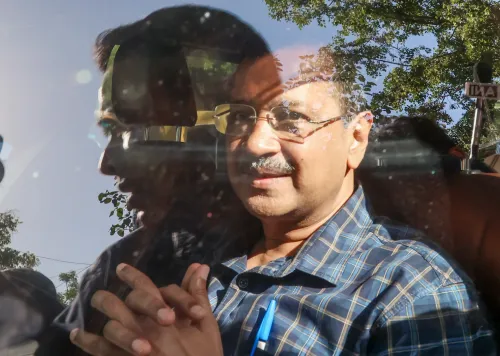
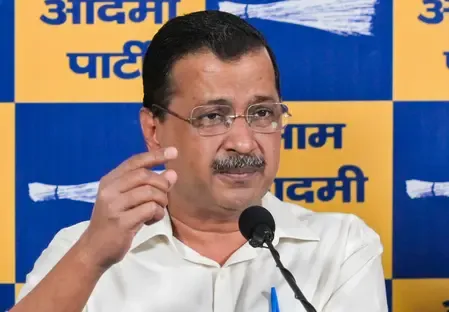
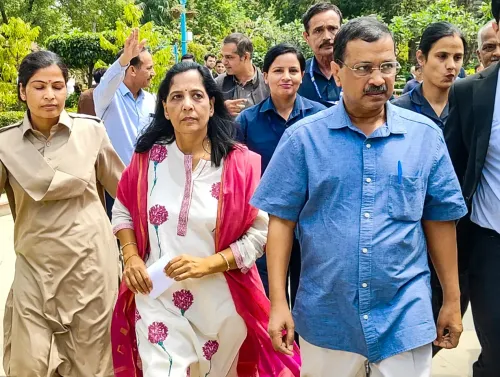
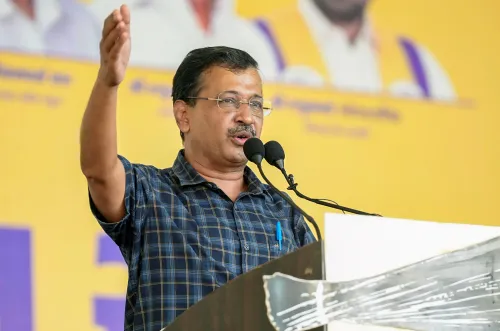
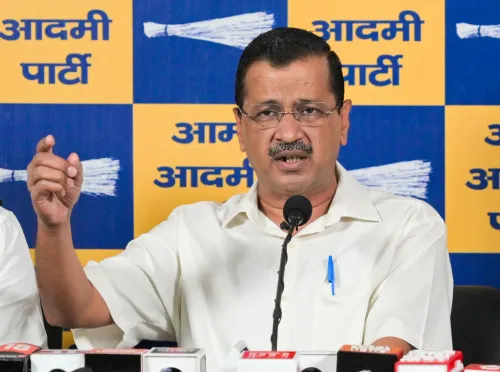
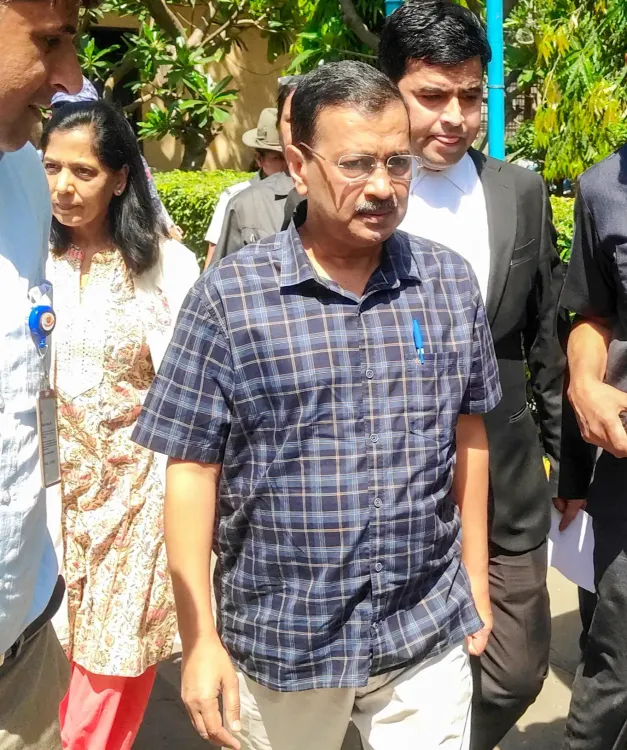
New Delhi, April 15 (NationPress) Arvind Kejriwal, the national convenor of the Aam Aadmi Party (AAP) and former Chief Minister of Delhi, has submitted a supplementary affidavit to the Delhi High Court. This filing supports his request for the recusal of Justice Swarana Kanta Sharma from the CBI's revision petition regarding the alleged Delhi excise policy case. Kejriwal claims that the judge’s close family members maintain ongoing legal relationships with the Central government.
In his newly filed affidavit related to the recusal proceedings, Kejriwal asserted that official documents from the Department of Legal Affairs indicate that both the son and daughter of the judge are listed as panel counsel for the Union government, serving in the Supreme Court and Delhi High Court.
“These positions are not merely nominal or honorary roles assigned by the Central Government. They represent ongoing professional commitments with the Central Government, which involve Government briefs, substantial Court visibility, and financial advantages linked to the allocation of legal tasks by the Central Government,” the affidavit emphasized.
Kejriwal further expressed concern that within the Centre’s case allocation system, the Solicitor General, representing the CBI, plays a role in designating cases to government panel counsel. “The very legal officer and establishment advocating for the prosecution in this Hon’ble Court are also part of the institutional framework that allocates Central Government cases and work to the immediate family members of the Hon’ble Judge overseeing this matter,” the affidavit noted.
Describing the situation as a “clear and serious conflict of interest,” Kejriwal voiced his worries about the impartiality of the proceedings. “I am not asserting actual bias or improper intentions towards this Hon’ble Court. My argument is of constitutional significance—these conditions foster a tangible, objective, and reasonable fear that the current proceedings may lack the full appearance of judicial impartiality, independence, and neutrality as mandated by law,” he stated in the affidavit.
Considering the politically charged nature of the case, Kejriwal pointed out that the CBI's actions target “a principal political rival of the ruling party at the Centre,” arguing that this context intensifies his apprehension. “The concern becomes direct, serious, and impossible for me to overlook,” the affidavit asserted.
Kejriwal also raised issues regarding the lack of fair opportunity to present counterarguments during the recusal plea hearing, alleging that CBI's discussions extended beyond standard court hours on the day he represented himself.
Additionally, he objected to the Delhi High Court issuing procedural directives in the main revision petition while his recusal request remained unresolved, stating such actions heightened his concern that the matter would proceed before the same bench as a predetermined outcome.
This additional affidavit has been filed in the ongoing recusal application initiated by Kejriwal and other defendants, seeking to transfer the CBI's revision hearing to a different bench.
Previously, after evaluating detailed arguments from both Kejriwal, who appeared personally, and Solicitor General Tushar Mehta for the CBI, the Delhi High Court had reserved its decision on the recusal request.
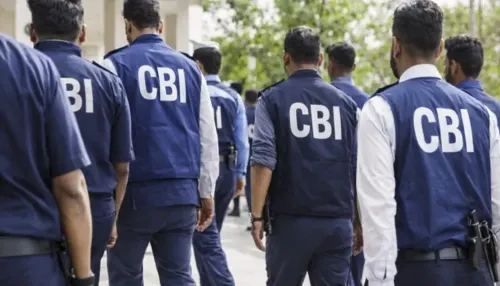
The recusal application arises from the CBI's revision petition, which challenges a trial court ruling that discharged Kejriwal, former Deputy Chief Minister Manish Sisodia, and other defendants in the alleged corruption case tied to the now-repealed Delhi Excise Policy 2021–22.
Point of View
The implications for judicial integrity and political accountability are profound. The allegations brought forth underscore the importance of maintaining an impartial judiciary, particularly in politically sensitive cases. The situation invites scrutiny into the mechanisms of case assignments and the potential for conflicts of interest, emphasizing the need for transparency and fair legal processes.
NationPress
7 Oct 2026
Frequently Asked Questions
What did Arvind Kejriwal claim in his affidavit?
Kejriwal claimed that Justice Swarana Kanta Sharma's family members have ongoing legal ties with the Central government, which raises concerns about potential conflicts of interest in the CBI case.
What is the significance of the recusal application?
The recusal application seeks to ensure that proceedings are fair and impartial, especially given the politically charged nature of the case involving a leading political opponent.
What is the background of the CBI's revision petition?
The CBI's revision petition challenges a trial court decision that discharged Kejriwal and others from an alleged corruption case related to the now-repealed Delhi Excise Policy 2021–22.
How has the Delhi High Court responded to Kejriwal's plea?
The Delhi High Court has reserved its verdict on Kejriwal's recusal plea after hearing arguments from both sides.
What are the implications of this case?
This case raises serious questions about judicial independence and the integrity of the legal process in politically sensitive matters.