Odisha Grameen Bank chairman calls Keonjhar skeleton incident 'deeply unfortunate'
Synopsis
An illiterate tribal man in Odisha's Keonjhar dug up his dead sister's skeleton and brought it to a rural bank branch to claim her ₹19,300 deposit — a desperate act that lays bare the chasm between India's formal banking procedures and the lived reality of its most marginalised citizens.
Key Takeaways
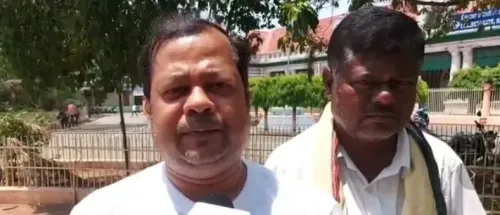
Tribal man Jitu exhumed his sister's skeleton and brought it to Odisha Grameen Bank , Mallipasi village, Keonjhar , on Monday to claim her ₹19,300 deposit.
His sister died approximately two months ago ; Jitu, being illiterate, could not understand documentation requirements.
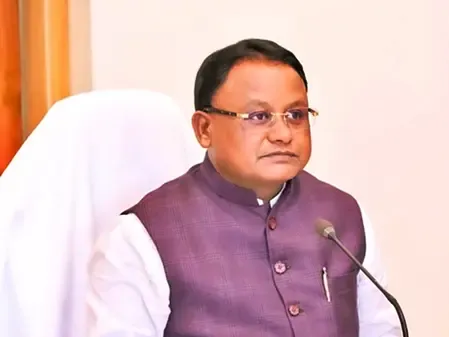
Chairman Rishi Singh called the incident "deeply unfortunate" and said the bank followed due procedures.
The account's nominee is also reportedly deceased , complicating the legal heir settlement.
A legal heir certificate from local authorities is mandatory and still pending.
The bank has completed an internal inquiry and assured payment once legal formalities are fulfilled.
Odisha Grameen Bank Chairman Rishi Singh on Tuesday termed the incident in Keonjhar, where a tribal man reportedly brought his deceased sister's skeleton to a rural bank branch to claim her deposited money, as
Point of View
To him, like the only recourse. The bank's procedural correctness does not absolve the institution — or the broader financial inclusion framework — of the duty to bridge the literacy and documentation gap. With hundreds of millions of Jan Dhan accounts active across rural India, incidents like Keonjhar will keep recurring unless banks are mandated to provide hand-held support to illiterate claimants rather than simply citing process.
NationPress
19 Sept 2026
Frequently Asked Questions
What happened at the Odisha Grameen Bank branch in Keonjhar?
A tribal man named Jitu exhumed his deceased sister's skeleton and brought it to the Odisha Grameen Bank branch in Mallipasi village, Keonjhar, on Monday to claim her ₹19,300 deposit. Being illiterate, he could not understand the bank's documentation requirements and resorted to this act as proof of his sister's death.
Why did the bank refuse to release the funds to Jitu?
The bank required a death certificate and a legal heir certificate before releasing funds from a deceased account holder's account — standard requirements under Indian banking regulations. Jitu had not yet submitted the mandatory documents at the time of the incident.
What did Odisha Grameen Bank Chairman Rishi Singh say?
Singh called the incident 'deeply unfortunate' and clarified that the bank followed established procedures. He assured that payment will be made to the rightful beneficiary as soon as the legal formalities, including a legal heir certificate from local authorities, are completed.
Why is the settlement process especially complicated in this case?
The nominee linked to the deceased's account is also reportedly deceased, meaning Jitu must obtain a legal heir certificate from competent local authorities. This confirmation is still pending, further delaying the release of the ₹19,300.
What action has the bank taken after the incident?
Odisha Grameen Bank conducted an internal inquiry, with senior officials including regional managers visiting the branch and submitting a report. The bank has assured that once verification is complete and local administration confirms the legal heirs, the ₹19,300 will be released without delay.