Kerala local body bypolls: LDF gains 3 seats, UDF tally drops under Satheesan
Synopsis
Barely months after the UDF swept to power in Kerala, the LDF has clawed back ground in 38-ward local body byelections — wresting seven UDF-held seats while losing four, a net gain of three. The bigger story may be the UDF's collapsing margins in seats it did retain, signalling early organisational cracks under the Satheesan government.
Key Takeaways
The LDF gained a net 3 seats in Kerala local body byelections held on 28 September 2026 , lifting its tally from 15 to 18 .
The UDF's count fell from 22 to 19 out of 38 contested wards across 12 districts .
The LDF wrested 7 UDF-held wards ; the UDF captured 4 LDF-held wards — a net swing of 3 to the Left.
Winning margins collapsed sharply in several UDF-retained wards — the Pallikkal division margin fell from 1,055 to 331 votes .
Twenty20 , an NDA ally, retained its lone seat .
The results are considered a limited local-level signal, not a direct measure of the Satheesan government's statewide standing.
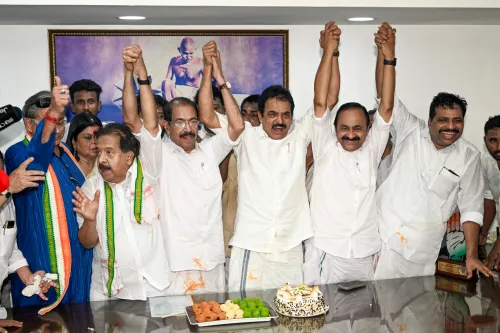
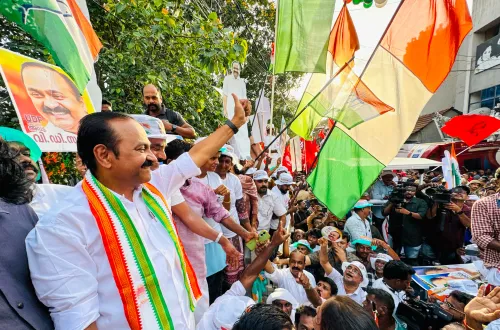
The Congress-led United Democratic Front (UDF) has absorbed its first electoral blow since Chief Minister V.D. Satheesan took office, with the Left Democratic Front (LDF) making net gains in local body byelections held across Kerala on 28 September 2026. Vote counting on Tuesday confirmed the LDF's tally rose from 15 to 18 wards, while the UDF's count slipped from 22 to 19 out of 38 contested wards spread across 12 districts.
The Numbers Behind the Shift
The headline figures alone do not capture the full picture. The LDF wrested seven wards that the UDF had previously held, while the UDF captured four wards from the Left — a net swing of three seats to the Left. Twenty20, an ally of the Bharatiya Janata Party (BJP)-led National Democratic Alliance (NDA), retained its lone seat. Significantly, even in wards the UDF managed to hold, winning margins collapsed in several cases — a detail the seat tally alone obscures.
Key Contests and District-Level Developments
In Thiruvananthapuram district, the LDF captured the Mangalam-Mundakkal ward of the district panchayat and the Anchuthengu block panchayat division, consolidating its position in the Mangalam panchayat. In Palakkad, the LDF took the Chittur-Paruthikkadu ward — previously represented by Suresh Achuthan before he entered the Assembly — after the contest ended in a tie and the LDF candidate prevailed in the subsequent draw of lots.
The UDF, meanwhile, captured the ninth ward of Muttam panchayat in Kozhikode and held some seats vacated when their members won Assembly seats. But the margin erosion was stark: the Pallikkal division of the Mananthavady block panchayat, earlier won by Usha Vijayan with a margin of 1,055 votes, was retained by the UDF with a margin of just 331 votes. In Kozhikode Corporation's Kuttichira ward, Indian Union Muslim League (IUML) candidate Farzeena Arakkal won by 436 votes, compared to the 2,273-vote margin secured by predecessor Fathima Thahliya previously.
What This Means for the Satheesan Government
The UDF's setback comes only months after it swept the Assembly elections and installed the Satheesan government. Analysts, however, caution against over-reading the verdict: the 38 wards represent a limited and geographically dispersed sample, making it an imperfect gauge of statewide government performance. Local factors — candidate selection, organisational differences, and ward-specific grievances — played a significant role in several results, according to observers. Notably, internal differences within the UDF were cited as a contributing factor in some of the lost wards.
The LDF's Road to Recovery
For the LDF, which suffered a severe defeat in the Assembly elections, these gains represent a measure of political rehabilitation. The Left had entered the byelections with a focused objective: recovering wards vacated by former local representatives who had moved on to the state legislature. By that narrow measure, it exceeded expectations. The results offer the LDF a foothold to rebuild its local organisational strength heading into the next cycle of local body elections.
What to Watch Next
Both fronts will draw contrasting lessons. The UDF's challenge is to shore up grassroots organisation and address the internal fault lines the byelections exposed, particularly in districts where margins collapsed even in retained seats. The LDF will seek to sustain this momentum at the ward level while remaining in opposition at the state level. The next significant electoral test for Kerala's political landscape will likely come at the municipal and panchayat renewal elections, where ground-level sentiment across all 12 districts will carry far greater weight.
Point of View
Structurally disadvantaged in opposition, has used these byelections well, reclaiming wards tied to Assembly transitions. But 38 wards across 12 districts is a thin sample, and reading it as a government referendum would be an overreach. The harder question for both fronts is whether the local body machinery — the real engine of Kerala's political mobilisation — is being rebuilt or left to drift between major elections.
NationPress
29 Sept 2026
Frequently Asked Questions
What were the results of the Kerala local body byelections held on 28 September 2026?
In 38 wards contested across 12 districts, the LDF raised its tally from 15 to 18 seats while the UDF's count fell from 22 to 19. The LDF wrested seven UDF-held wards and the UDF captured four LDF-held wards, resulting in a net gain of three seats for the Left.
What do the bypolls results mean for the Satheesan government?
The byelections represent the UDF's first electoral setback since Chief Minister V.D. Satheesan took office after the Assembly elections. However, analysts note that the limited number of wards — spread across 12 districts — makes these results an unreliable measure of the government's statewide popularity, as local factors heavily influenced individual outcomes.
Why did the LDF perform better than expected in these byelections?
The LDF had specifically targeted wards vacated by former local representatives who moved to the Assembly, giving it a focused campaign strategy. Coming off a heavy Assembly defeat, the Left also had greater motivation to mobilise supporters, and local UDF organisational differences in some wards worked in its favour.
Which specific wards saw notable results in these bypolls?
In Thiruvananthapuram, the LDF took the Mangalam-Mundakkal ward and the Anchuthengu block panchayat division. In Palakkad, the LDF won the Chittur-Paruthikkadu ward after a tied count was resolved by a draw of lots. In Kozhikode, the IUML retained the Kuttichira ward but with a margin slashed from 2,273 to 436 votes.
What is the significance of the margin erosion in UDF-retained wards?
Even where the UDF held its seats, victory margins fell sharply — the Pallikkal division margin dropped from 1,055 to 331 votes, and the Kuttichira ward margin fell from 2,273 to 436 votes. Analysts say this suggests underlying organisational weakness and local discontent that the headline seat count alone does not reveal.