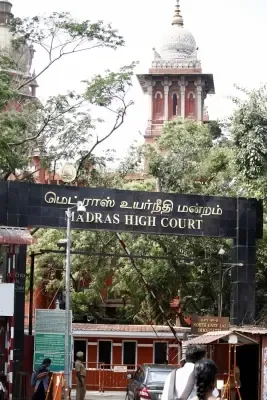
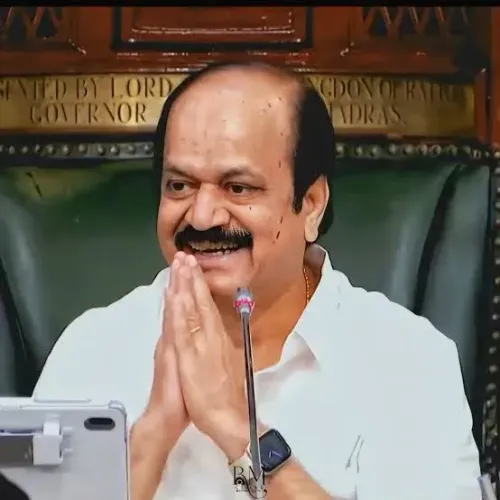
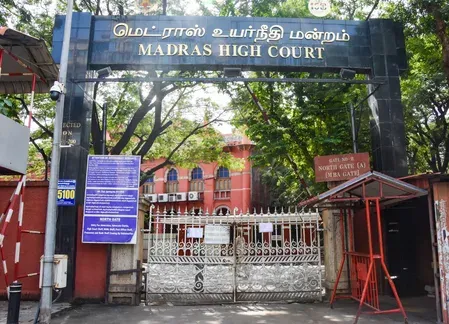
Madras HC upholds resignation of 6 AIADMK MLAs, disqualification case intact
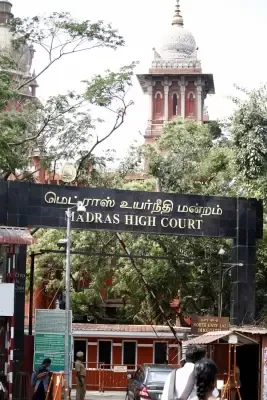
Synopsis
The Madras High Court has drawn a sharp constitutional line: the Tamil Nadu Speaker was right to accept the resignations of six AIADMK cross-voters, but those resignations cannot extinguish the anti-defection cases against them. With by-elections now likely and disqualification proceedings still alive, this ruling sets up a two-front political and legal battle that could reshape Tamil Nadu's Assembly arithmetic.
Key Takeaways
The Madras High Court on 13 October 2026 upheld the Tamil Nadu Assembly Speaker's acceptance of resignations from six AIADMK legislators .
The bench, led by Chief Justice Sushrut Arvind Dharmadhikari , held that the resignations were genuine and voluntary and the resulting vacancies were constitutionally valid .
The court ruled that resignation and disqualification are separate constitutional processes — pending anti-defection cases could not block acceptance of the resignations.
The Speaker has been directed to finally adjudicate the disqualification proceedings under the Tenth Schedule , which retain independent constitutional significance.
The High Court reaffirmed its power under Article 226 to intervene if the Speaker fails to decide the disqualification cases within a reasonable time.
A petition by AIADMK whip Agri S.
Krishnamurthy challenging the Speaker's decision was dismissed .
The Madras High Court on 13 October 2026 upheld the Tamil Nadu Assembly Speaker's acceptance of resignations tendered by six AIADMK legislators who had cross-voted in favour of the ruling TVK government during a confidence motion and subsequently joined the ruling party. The ruling provides significant relief to the TVK government, while simultaneously keeping alive the anti-defection disqualification proceedings against the six former legislators.
What the Court Ruled
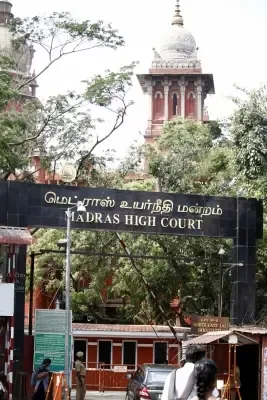
A first bench comprising Chief Justice Sushrut Arvind Dharmadhikari and Justice G. Arul Murugan dismissed a petition filed by AIADMK whip Agri S. Krishnamurthy and others challenging the Speaker's decision. The bench held that the resignations were genuine and voluntary, and that the declaration of vacancies in the Assembly was constitutionally valid.
Crucially, the court clarified that the Speaker was not obligated to conduct an extensive inquiry into the alleged motives behind the resignations once their genuine and voluntary nature had been established.
Resignation vs Disqualification: Two Separate Tracks
The central legal question before the bench was whether pending disqualification proceedings under the Tenth Schedule of the Constitution — the anti-defection law — could bar the Speaker from acting on the resignations. The court categorically rejected this contention, holding that resignation and disqualification are separate and independent constitutional processes.
The Speaker was therefore competent to accept the resignations despite the unresolved disqualification petitions. However, the bench was equally emphatic that accepting the resignations did not render the pending disqualification cases academic or infructuous.
Speaker Directed to Decide Disqualification Cases
The court directed the Speaker to finally adjudicate the disqualification proceedings, with any finding carrying the consequences prescribed under the Constitution's Tenth Schedule. This means that even though the six legislators have relinquished their Assembly membership, a finding of disqualification would still carry constitutional significance — potentially affecting their eligibility for future office.
Notably, the bench also reaffirmed the High Court's authority under Article 226 of the Constitution to intervene if the Speaker failed to decide the disqualification petitions within a reasonable period, underscoring the judiciary's continuing supervisory role over legislative proceedings.
Background: Cross-Voting and the Confidence Motion
The case stems from a confidence vote in the Tamil Nadu Assembly, during which the six AIADMK legislators defied their party's whip and voted in favour of the TVK government. They subsequently resigned their Assembly seats and joined the ruling party — a sequence that the AIADMK challenged as violating the anti-defection law. This is not the first time Tamil Nadu politics has been roiled by floor-crossing disputes; the state has a long history of such constitutional battles dating back to the AIADMK-DMK rivalry of the 1980s and 1990s.
What Happens Next
With the petition dismissed, the six vacant Assembly seats will likely trigger by-elections, which could strengthen the TVK government's legislative numbers. The disqualification proceedings before the Speaker, however, remain pending and must be decided on their own merits. A disqualification finding, even post-resignation, could have downstream consequences on the legislators' political careers. The Speaker's timeline for concluding the disqualification cases is expected to come under scrutiny, given the court's explicit warning about the Article 226 oversight power.
Point of View
But its political consequences are anything but academic. By allowing the vacancies to stand while keeping the disqualification proceedings alive, the court has handed the TVK government a short-term win — likely by-elections in six seats it expects to contest from a position of strength — while leaving a legal sword dangling over the six legislators' future careers. The real test is whether the Speaker, now explicitly warned of Article 226 oversight, will act on the disqualification petitions promptly or allow them to languish. Tamil Nadu's political history suggests the latter is a distinct risk, and the court appears to have anticipated exactly that.
NationPress
13 Oct 2026
Frequently Asked Questions
What did the Madras High Court rule on the AIADMK MLA resignations?
The Madras High Court upheld the Tamil Nadu Assembly Speaker's acceptance of resignations from six AIADMK legislators on 13 October 2026, holding the resignations were genuine, voluntary, and that the resulting vacancies were constitutionally valid. The court dismissed the petition filed by AIADMK whip Agri S. Krishnamurthy challenging the Speaker's decision.
Why did the AIADMK challenge the Speaker's acceptance of the resignations?
The AIADMK challenged the resignations because the six legislators had cross-voted in favour of the TVK government during a confidence motion and then joined the ruling party, triggering anti-defection disqualification proceedings. The party argued that the Speaker could not accept the resignations while those disqualification cases were still pending.
Are the disqualification proceedings against the six MLAs now closed?
No. The court explicitly ruled that accepting the resignations did not make the disqualification proceedings academic or infructuous. The Speaker has been directed to finally adjudicate the cases, and any finding under the Tenth Schedule's anti-defection provisions will retain full constitutional significance.
What is the Tenth Schedule and why does it matter here?
The Tenth Schedule of the Constitution contains India's anti-defection law, which penalises legislators who vote against their party's directions or voluntarily give up party membership. A finding of disqualification under this schedule can affect a legislator's eligibility for office, making it consequential even after the six legislators have resigned their seats.
What happens next in the Tamil Nadu Assembly after this ruling?
With six Assembly seats now vacant, by-elections are expected, which could benefit the TVK government by strengthening its legislative majority. Separately, the Speaker must now decide the pending disqualification petitions; the Madras High Court has reserved the right to intervene under Article 226 if those proceedings are not concluded within a reasonable time.