Are Pakistan's madrassas a breeding ground for extremism?
Synopsis
A recent report unveils the **dual nature** of madrassas in Pakistan, highlighting their role in providing education while also acting as **hubs of radicalization**. This paradox positions these institutions at the heart of discussions about **education, security, and militancy**. Discover the complexities behind these religious schools.
Key Takeaways
Madrassas serve as both educational and ideological institutions.
They provide essential education in areas where the government fails.
The madrassa system is largely unregulated, allowing radical elements to thrive.
Psychological dependency on clerics can lead to indoctrination.
Curricula typically lack critical thinking and focus on narrow interpretations of Islam.
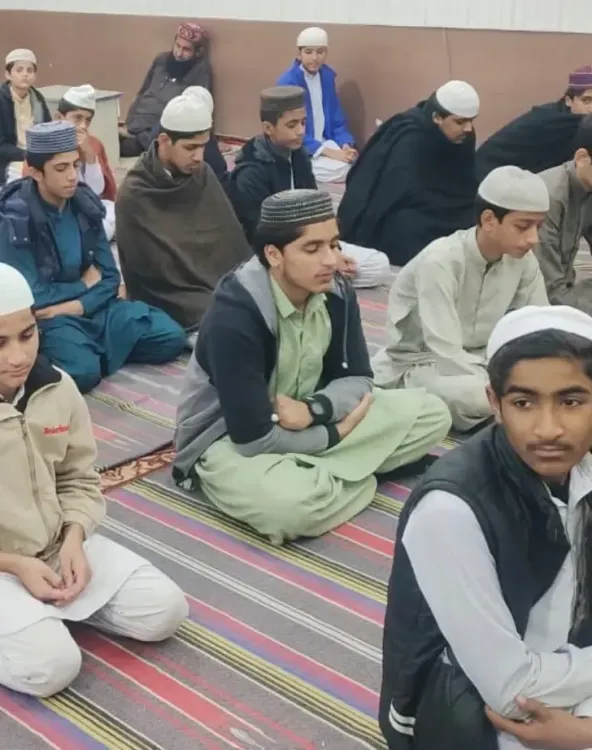
Colombo, Nov 29 (NationPress) Madrassas in Pakistan serve a dual purpose: they offer essential education in a nation where governmental efforts have faltered, yet they also sustain a framework of ideological indoctrination that undermines social unity and international security, according to a report released on Saturday.
The report highlighted that the madrassa sector in Pakistan is significantly unregulated, with estimates of registered institutions ranging between 10,000 and 40,000, and there is a lack of reliable data on unregistered institutions. This absence of transparency poses challenges for oversight and permits radical factions to operate without restraint.
“The madrassa system in Pakistan occupies a paradoxical space: it is both a lifeline for the poor and a potential conduit for radicalisation. This duality has made madrassas a focal point in debates on education, militancy, and global security. Following the September 11 attacks, Pakistan’s madrassas have faced significant scrutiny from both domestic and international observers. Many Pakistani intellectuals view this attention as unjust and externally imposed, claiming that madaris are inaccurately depicted as 'jihad factories.' However, the reality is much more nuanced,” a feature in the leading Sri Lankan newspaper 'Daily Mirror' noted.
According to the report, one of the most alarming elements of the madrassa system is the psychological dependency it cultivates.
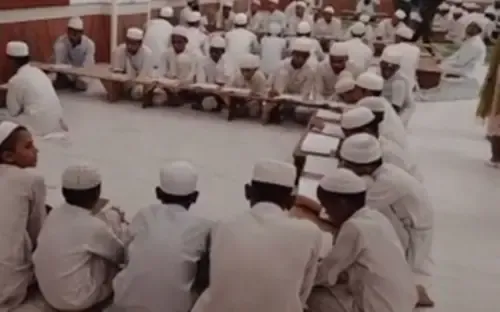
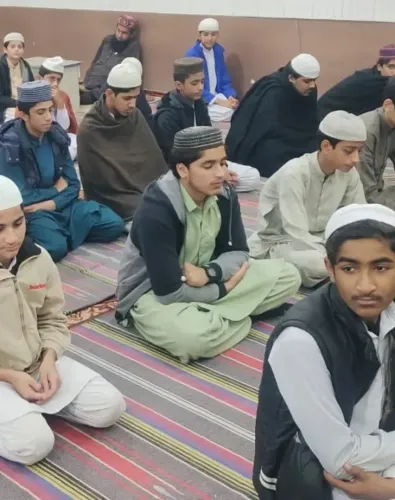
“Numerous students are separated from their families at a young age, creating a void of parental authority that is filled by clerics and educators. These individuals frequently take on the role of surrogate fathers, exerting substantial influence over impressionable minds. The loyalty established through complimentary education and boarding is further solidified by strict disciplinary measures. Students are barred from engaging with external media, and any deviations from prescribed norms are met with severe punishment,” the report stated.
“This environment of control and isolation renders students particularly susceptible to indoctrination. As highlighted by Azhar Hussain, a consultant on madrassa reform, the curriculum seldom includes subjects such as mathematics or science, which promote analytical thinking. Instead, teachings focus on narrow interpretations of Islam, often laced with anti-Western sentiment. Provocative sermons cast the United States as a threat to Islamic values, reinforcing a narrative of siege and victimhood,” it added.
The international community has consistently expressed concerns about the role of madrassas in the propagation of extremism. John Brennan, the former chief counterterrorism advisor to the White House, observed that extremist factions exploit Pakistan's fragile educational framework to recruit and indoctrinate youth, turning the provision of free education into a strategic instrument rather than a charitable act.
“The lack of critical thinking, the glorification of martyrdom, and the spread of anti-Western and sectarian narratives foster a worldview that is insular, confrontational, and prone to militant recruitment. As primary education providers for Pakistan's most vulnerable populations, their influence is profound and increasingly troubling,” the report concluded.
Point of View
It is crucial to understand the complexities surrounding madrassas in Pakistan. While they provide essential education to underserved populations, their potential for radicalization is a significant concern. A balanced approach is essential to reform and enhance the educational landscape without compromising security.
NationPress
12 Oct 2026
Frequently Asked Questions
What is the role of madrassas in Pakistan?
Madrassas in Pakistan provide primary education, especially in areas where government services are lacking, but they also perpetuate ideological indoctrination.
How many madrassas are there in Pakistan?
Estimates suggest there are between 10,000 to 40,000 registered madrassas in Pakistan, with many unregistered institutions operating without oversight.
What are the dangers of madrassa education?
Madrassas often foster psychological dependency and limit exposure to critical thinking, with curricula focused on narrow interpretations of Islam.
How do madrassas contribute to extremism?
Extremist groups exploit the madrassa system to recruit and indoctrinate youth, turning free education into a strategic tool for radicalization.
What reforms are needed in the madrassa system?
There is a need for curriculum reforms that include critical thinking and diverse subjects to mitigate the risks of indoctrination.