Maharashtra drought: Rabi sowing at 27%, dam storage dips to 62%
Synopsis
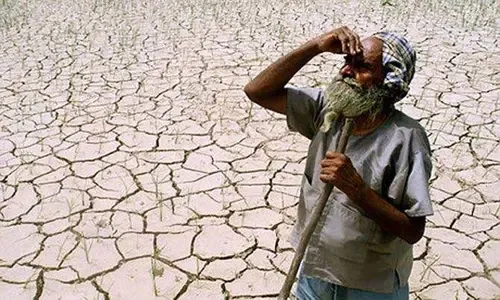
Maharashtra has more than enough seed and fertiliser, yet only 27% of its usual Rabi area has been sown. The constraint is water. Dam storage has crashed to 62% from 90% a year ago, and five Marathwada districts are in single digits. Wheat sowing is at just 14% of average.
Key Takeaways
Maharashtra's Rabi sowing reached 15.69 lakh hectares by 23 November 2026 , or 27% of the 57.80 lakh hectare average, compared with 45% last year.
Wheat sowing is at just 14% of average, and gram at 28% .
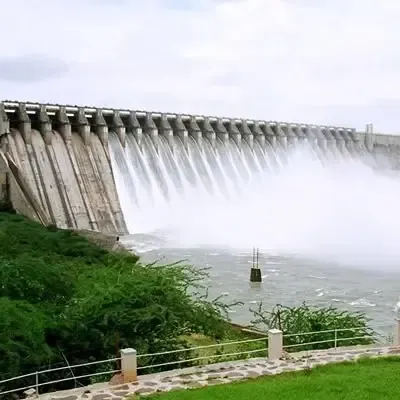
Storage across 3,042 dams has fallen to 62% from 90% last year, a loss of 407.93 TMC .
The state lost another 29.60 TMC in the eight days after the 17 November review.
Marathwada is at 34% , with Dharashiv, Jalna, Beed, Latur and Parbhani in single digits.
Seed availability of 17,22,327 quintals exceeds the 11,60,091 quintal requirement.
Maharashtra's drought is weighing heavily on the Rabi season. Sowing has covered only 15.69 lakh hectares as of 23 November 2026, or 27 per cent of the five-year average Rabi area of 57.80 lakh hectares (excluding sugarcane). Over the same period, water storage across 3,042 dams has fallen to 62 per cent, against 90 per cent a year ago. The figures were part of a crop and water situation review presented to the state cabinet in Mumbai on Wednesday, 26 November 2026.
By this time last year, farmers had sown 25.99 lakh hectares, or 45 per cent of the average. That puts this season's coverage nearly 10 lakh hectares behind.
Key Developments in Rabi Sowing
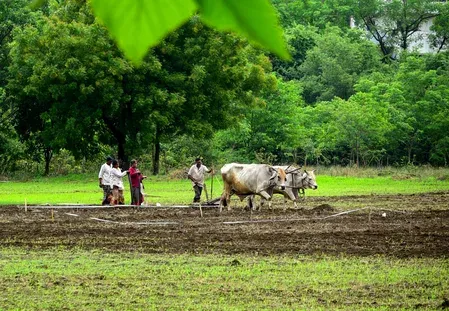
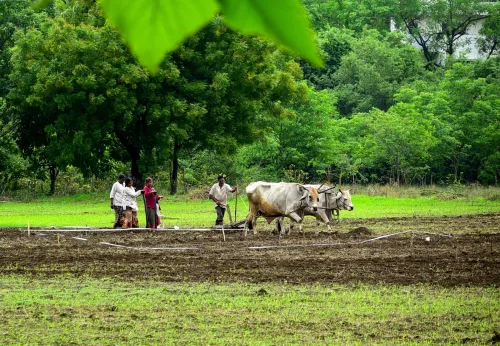
The agriculture department said pre-sowing tillage is in its final stages across the state. Sowing of gram (harbhara), wheat, safflower (kardai) and maize is underway. Early-sown Rabi jowar and other crops are between the germination and seedling stages.
Cereals were sown on 8.30 lakh hectares against a five-year average of 30.66 lakh hectares. That is 27 per cent of the average, down from 44 per cent last year. The crop-wise picture:
- Rabi jowar: 5.13 lakh hectares, or 34 per cent of the 14.96 lakh hectare average (last year: 55 per cent).
- Wheat: 1.69 lakh hectares, or 14 per cent of the 11.81 lakh hectare average (last year: 26 per cent). This is the weakest showing among major cereals.
- Maize: 1.43 lakh hectares, or 38 per cent of the 3.75 lakh hectare average (last year: 56 per cent).
- Other cereals such as bajra, oat and barley: 4,321 hectares, or 30 per cent of the 14,548 hectare average.
Pulses were sown on 7.23 lakh hectares out of a 26.44 lakh hectare average, or 27 per cent. Last year's figure was 47 per cent.
- Gram: 7.02 lakh hectares, or 28 per cent of its 25.17 lakh hectare average (last year: 47 per cent).
- Other pulses, including moong, urad, matki, popti and lentil: 20,437 hectares, or 16 per cent of their 1,27,552 hectare average.
Overall, Rabi foodgrains covered 15.52 lakh hectares against a 57.10 lakh hectare average, or 27 per cent (last year: 45 per cent). Oilseeds reached 16,563 hectares of a 70,077 hectare average, or 24 per cent (last year: 26 per cent). Safflower led the oilseeds at 12,159 hectares, about 40 per cent of its average. Sowing progress varies widely across administrative divisions.
Seed and Fertiliser Position
Supplies of farm inputs are not the problem. Data up to 21 November 2026 show estimated seed availability of 17,22,327 quintals. The requirement is 11,60,091 quintals for a target of 63.99 lakh hectares. So far, 5,09,567 quintals have been supplied.
The approved Rabi plan for fertilisers is 31.10 lakh metric tonnes (LMT). Seasonal availability stands at 23.36 LMT and sales at 3.83 LMT. Stock as of 23 November was 19.53 LMT.
Dam Storage Slide Deepens
The water resources department said Maharashtra has lost 407.93 TMC of live storage in one year, a fall of 28 percentage points. The decline continued after the previous cabinet review on 17 November, when storage stood at 923.60 TMC (64 per cent). In the eight days since, the state lost another 29.60 TMC.
This means Maharashtra enters the Rabi season and the summer months with more than one-third of its live storage empty. Last year, only 10 per cent was empty.
Impact on Regions and Citizens
Marathwada (Chhatrapati Sambhajinagar division) is in the most serious position, with storage at 34 per cent. Storage is in single digits in five of its districts: Dharashiv, Jalna, Beed, Latur and Parbhani.
Small dams are the most vulnerable, according to the presentation. Minor projects, which supply villages, are at just 36 per cent. The department said this points to pressure on local drinking water and Rabi irrigation in the coming months.
Cities are relatively better placed but still below last year's levels. The Pune, Nashik and Konkan divisions and the Mumbai-Thane system remain above 71 per cent. Even so, each is between 8 and 19 percentage points below last year.
What Happens Next
Storage fell from 64 to 62 per cent between 17 and 25 November, with no replenishment. Officials expect the drawdown to continue. The coming weeks will test whether late sowing can recover lost area, and how the state manages drinking water in Marathwada's worst-hit districts before summer.
Point of View
And only 3.83 LMT of 23.36 LMT of fertiliser has been sold. Farmers are not short of inputs; they are short of water and the confidence to plant. Minor projects that serve villages are at 36% while urban systems stay above 71%, which means the burden of this drought will fall unevenly on rural Marathwada. Unless the state plans drinking-water and fodder contingencies now, rather than in April, this review will look in hindsight like an early warning that was noted rather than acted upon.
NationPress
26 Nov 2026
Frequently Asked Questions
How much Rabi sowing has Maharashtra completed in 2026?
As of 23 November 2026, Maharashtra had sown Rabi crops on 15.69 lakh hectares. That is 27% of the five-year average of 57.80 lakh hectares, excluding sugarcane, compared with 45% at the same point last year.
What is the current dam water storage in Maharashtra?
Storage across 3,042 dams in Maharashtra stood at 62%, down from 90% a year ago. The state has lost 407.93 TMC of live storage over the year.
Which region of Maharashtra is worst affected by the drought?
Marathwada (Chhatrapati Sambhajinagar division) is the worst affected, with storage at 34%. Dharashiv, Jalna, Beed, Latur and Parbhani districts have single-digit storage levels.
Is there a shortage of seeds or fertilisers in Maharashtra?
No. Seed availability is 17,22,327 quintals against a requirement of 11,60,091 quintals. Fertiliser stock stood at 19.53 LMT as of 23 November, against seasonal sales of 3.83 LMT.
How will the water shortage affect citizens?
Minor dam projects that supply villages are at 36%, which officials say points to pressure on rural drinking water and Rabi irrigation in the coming months. Urban systems such as Pune, Nashik and Mumbai-Thane remain above 71% but are 8 to 19 percentage points below last year.