Maharashtra's Leopards Reclassified: New Measures for Human Safety

Synopsis
Maharashtra takes a bold step to address rising leopard incursions into human habitats by reclassifying the species, allowing self-defense killings without legal consequences. This decision aims to balance wildlife protection and human safety amid increasing man-animal conflicts.
Key Takeaways
Maharashtra Cabinet has reclassified leopards to Schedule 2.
Individuals can now legally kill leopards in self-defense.
Efforts include sterilization and increased patrolling in sensitive areas.
Public awareness campaigns on pollution are being emphasized.
Environmental education is proposed from the school level.
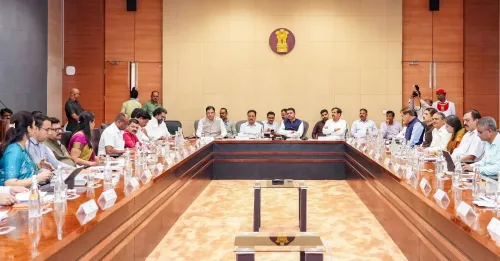
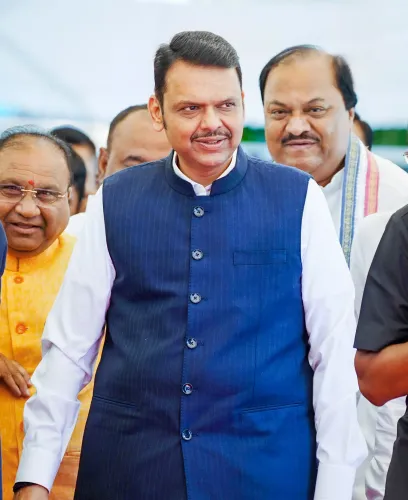
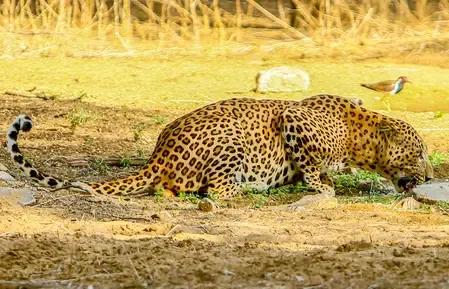
Mumbai, March 12 (NationPress) In a pivotal decision aimed at mitigating the escalating incidents of leopards encroaching on human habitats in Maharashtra, Forest Minister Ganesh Naik declared in the Legislative Assembly on Thursday that the Maharashtra Cabinet has sanctioned the reclassification of leopards from Schedule 1 to Schedule 2.
Minister Naik elaborated that the state is in the process of acquiring the requisite approvals from the Central Wildlife Department to formalize this transition.
“Once the leopard is designated under Schedule 2, individuals will be exempt from legal repercussions if they kill a leopard that has invaded a human settlement in self-defense or protection,” he mentioned, responding to a motion raised by member Satyajit Deshmukh.
Deshmukh underscored the increasing sightings of leopards in his area and advocated for their classification as Schedule 2. He further probed the government regarding specific strategies being enacted to mitigate the man-animal conflict.
Minister Naik affirmed the reclassification decision, adding that guidelines have been set to officially categorize leopards entering human territories and causing fatalities as "man-eaters."
He provided updates on measures for population control, stating, “The state has proposed the sterilization of 150 leopards to the Central Government. The Centre has greenlit the capture and sterilization of five female leopards on an experimental basis.”
“Patrolling efforts by forest personnel have been amplified in sensitive areas vulnerable to human-leopard encounters. Additionally, in areas with frequent leopard sightings, directives have been issued to adjust school timings to ensure student safety,” he stated.
To better manage captured animals, the government is enhancing the capacity of current rescue centers for tigers, leopards, and other wild predators. Furthermore, plans are underway to transfer captured leopards to zoos and wildlife rescue facilities in other states, pending approval from the Central Zoo Authority, according to Minister Naik.
Meanwhile, Minister of State Ashish Jaiswal remarked in the Maharashtra Council that it is crucial to strike a balance between state development and environmental preservation.
He urged society to embrace fundamental lifestyle changes to safeguard the planet. The Minister's comments came in response to a half-hour discussion initiated by member Amol Mitkari under Rule 92.
In his address to the House, Minister Jaiswal acknowledged that while modern infrastructure like cement-concrete housing and new roadways are essential to development, they must be accompanied by robust measures to combat pollution.
“Development cannot be paused, but we must embark on a comprehensive public awareness campaign to reduce water, air, and noise pollution,” he asserted.
He further proposed that environmental studies should be compulsory from the school level to instill eco-conscious values in students from an early age.
Additionally, the Minister pointed out the deteriorating waste management situation in rural areas and the alarming increase in plastic consumption. He encouraged citizens to abandon plastic in favor of eco-friendly alternatives in their daily lives, including religious ceremonies and wedding functions.
Point of View
And the state's proactive measures could pave the way for better coexistence.
NationPress
29 Sept 2026
Frequently Asked Questions
What prompted the reclassification of leopards in Maharashtra?
The reclassification was prompted by an increase in leopards entering human settlements due to habitat destruction, leading to safety concerns.
What does the reclassification to Schedule 2 entail?
Reclassification to Schedule 2 allows individuals to kill leopards in self-defense without facing legal consequences.
What measures are being implemented to manage leopard populations?
The state has proposed sterilization of leopards and intensified patrolling in sensitive zones to manage the population and prevent conflicts.
How will this decision affect human-leopard interactions?
This decision aims to reduce tensions between humans and leopards by providing legal protections for self-defense actions.
What are the long-term goals of the Maharashtra government regarding wildlife?
The government's long-term goals include balancing development with environmental conservation and promoting awareness on wildlife issues.