Maharashtra Launches 'Come Early-Go Early' Policy for Women Government Workers
Synopsis
Maharashtra's Deputy Chief Minister, Sunetra Ajit Pawar, has introduced a transformative 'Come Early-Go Early' policy to empower women government employees in Mumbai. This initiative aims to ease commuting challenges and promote work-life balance.
Key Takeaways
New Policy: 'Come Early-Go Early' to ease commuting for women.
Flexibility: Women can arrive between 9:15 AM and 9:45 AM.
Maternity Leave: 180 days of maternity leave for female employees.
Cyber Safety: Measures to curb online harassment and support women.
Empowerment Focus: Comprehensive roadmap for women's safety and economic independence.
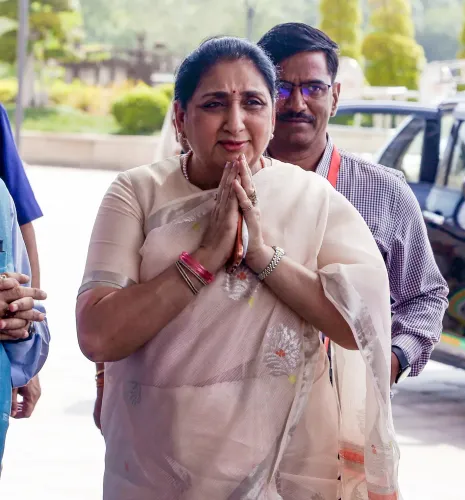
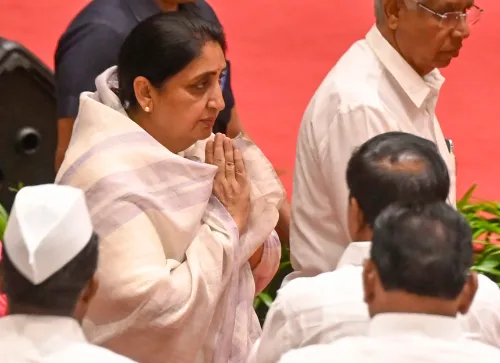
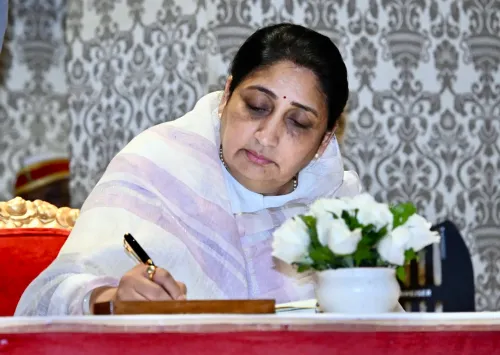
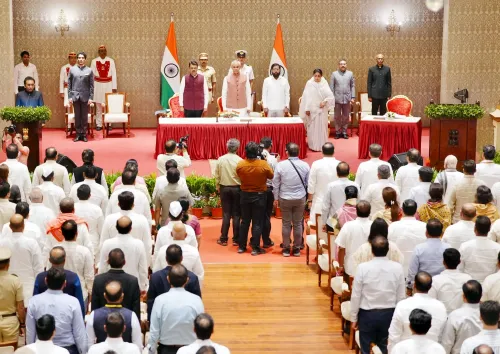
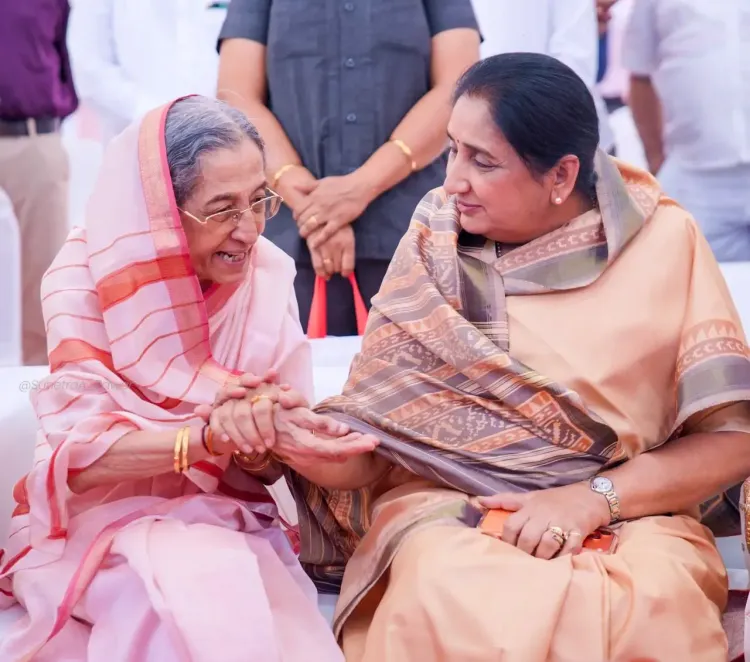
Mumbai, March 10 (NationPress) In a groundbreaking initiative to aid working women, Maharashtra's inaugural female Deputy Chief Minister, Sunetra Ajit Pawar, unveiled a new 'Come Early-Go Early' policy for women in government roles within the Mumbai Metropolitan Region (MMR) on Tuesday.
This announcement was made during a session in the Legislative Council, responding to a special discussion held in honor of International Women's Day.
With this new policy, female employees will have the flexibility to report to work between 9:15 AM and 9:45 AM.
By opting for an early start, they will be allowed to leave the office 30 minutes earlier than the usual closing time.
"This initiative is designed to alleviate the burdens faced by women, particularly by helping them evade the heavy traffic and overcrowding during peak hours," Pawar explained.
The Deputy Chief Minister also presented an extensive plan for women's empowerment, which emphasizes safety, economic autonomy, and health.
"Female government employees are now entitled to 180 days of maternity leave, and they can also take up to one year of half-pay leave without a medical certificate if needed after childbirth. Through 'Operation Muskan,' the state has successfully located 42,594 missing children from July 2015 to February 2026. Special 'Missing Cells' and 51 'Bharosa Cells' are now active across all districts to address women's issues," she added.
Pawar further stated that the government is actively promoting programs like 'Ladki Bahin', 'Namo Mahila Sakshami-karan', and 'Lakhpati Didi'. To empower entrepreneurs, products from Self-Help Groups (SHGs) are being sold through Umed Malls, Umed Marts, and digital platforms.
Additionally, the 'Adishakti Abhiyan' has been initiated to combat child marriage, reduce school dropout rates for girls, and establish 'abuse-free villages' in rural Maharashtra. Enhanced systems have been set up at major railway stations, including CSMT, Churchgate, and Borivali, to mitigate cyber crimes against women.
Addressing suggestions from various Council members, Pawar reaffirmed the government's dedication to the Fourth Women’s Policy.
She stressed that empowerment should encompass social, cultural, and mental aspects, not solely financial.
"We must bolster our commitment to fostering a society that guarantees dignity, opportunity, and safety for every woman," she asserted, drawing motivation from revered figures like Mata Jijau, Savitribai Phule, and Ahilyabai Holkar.
On Monday, Maharashtra’s Minister of Women and Child Welfare, Aditi Tatkare, declared in the state assembly that measures against online abuse and digital harassment would be reinforced, as they undermine women's confidence in entering public or professional spheres. She highlighted that cybercrime represents a significant barrier to women’s advancement.
In her remarks during a special debate commemorating International Women’s Day, Minister Tatkare advocated for transitioning from mere symbolic celebrations to genuine structural and digital empowerment.
She proposed grassroots training initiatives to assist rural women in safely navigating digital finance and social media, ensuring that technology serves as a vehicle for growth rather than a source of anxiety.
Point of View
Particularly in urban work environments. By addressing commuting challenges and promoting flexible working hours, it seeks to improve the work-life balance for women, thereby fostering a more inclusive workforce.
NationPress
20 Sept 2026
Frequently Asked Questions
What is the 'Come Early-Go Early' policy?
The 'Come Early-Go Early' policy allows female government employees in the Mumbai Metropolitan Region to start work between 9:15 AM and 9:45 AM and leave 30 minutes early to avoid peak-hour traffic.
Who announced this policy?
The policy was announced by Sunetra Ajit Pawar, Maharashtra's first woman Deputy Chief Minister.
What are other initiatives included in this announcement?
Other initiatives include enhanced maternity leave, support for female entrepreneurs, and measures to combat cyber crimes against women.
How long is the maternity leave for female government employees?
Female government employees are now eligible for 180 days of maternity leave.
What is 'Operation Muskan'?
'Operation Muskan' is a state initiative that has successfully traced over 42,000 missing children since its inception.