Manipur eyes 1 lakh Lakhpati Didis by 2029, CM cites banking role
Synopsis
Manipur wants to turn four times as many women into Lakhpati Didis within three years — going from 26,000 to one lakh by 2029. Chief Minister Khemchand Singh is betting on banks as the key lever, backed by a standout 2% SHG loan default rate that is less than half the national average.
Key Takeaways
Manipur CM Yumnam Khemchand Singh set a target of 1 lakh Lakhpati Didis by 2029 , up from the current 26,000 .
The announcement was made at the inauguration of the 18th SARAS Aajeevika Mela 2026 in Imphal on 27 October 2026 .
Manipur's SHG loan default rate stands at 2% , well below the national average of 5% .
The Lakhpati Didi initiative, backed by the Centre under DAY-NRLM , aims to give women SHG members an annual household income of at least ₹1 lakh .
Deputy CM Nemcha Kipgen highlighted SARAS Melas as platforms linking rural artisans to wider markets.
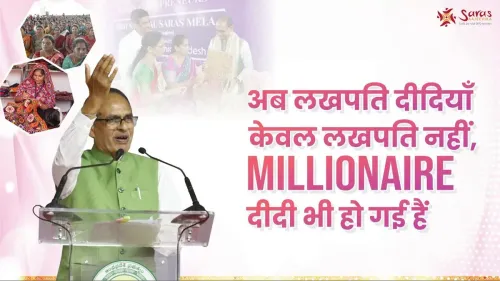
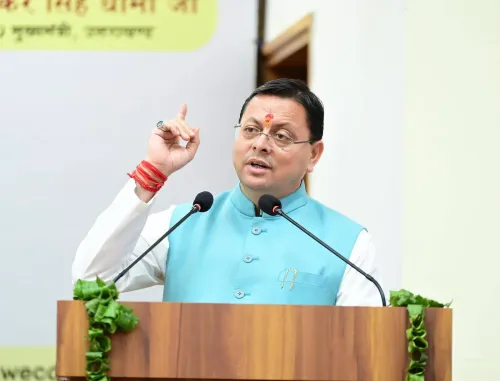
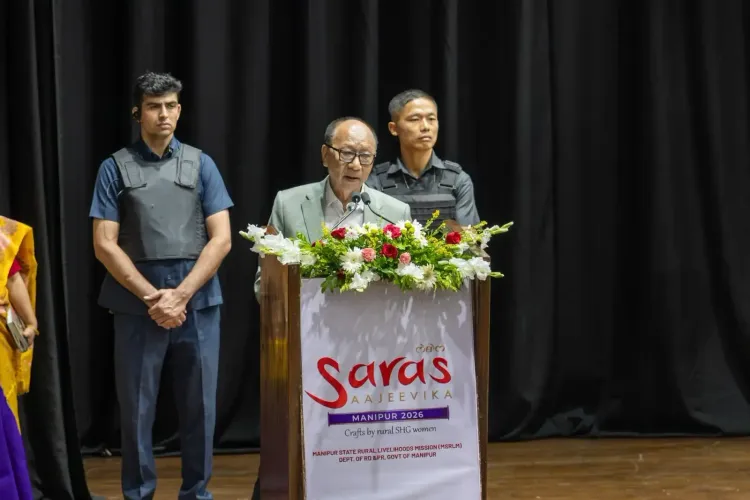
Manipur Chief Minister Yumnam Khemchand Singh on Tuesday, 27 October 2026, set an ambitious target of scaling the state's Lakhpati Didi count from the current 26,000 to one lakh by 2029, stressing that banking institutions would be indispensable partners in reaching that goal. The announcement came at the inauguration of the 18th SARAS Aajeevika Mela 2026, an 11-day fair held at the City Convention Centre in Imphal.
The Target and the Role of Banks
Addressing delegates at the mela, Chief Minister Khemchand Singh underlined the critical link between Self-Help Groups (SHGs) and formal credit. 'Manipur currently has 26,000 Lakhpati Didis. We aim to increase the number to one lakh by 2029. This ambitious target can be achieved only with the support and intervention of banks,' he said.
He emphasised that banking assistance is essential to strengthening SHGs and sustaining income flows for women beneficiaries. Notably, he pointed to Manipur's strong loan-repayment culture as evidence of the partnership's viability: while the national SHG loan default rate stands at approximately 5%, Manipur has recorded a significantly lower rate of just 2%.
What the Lakhpati Didi Scheme Does
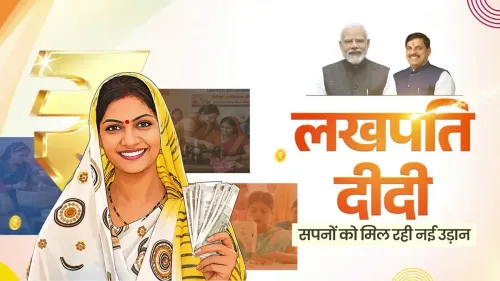
The Lakhpati Didi initiative is a Central government programme that targets women belonging to SHGs, aiming to help them achieve an annual household income of at least ₹1 lakh through sustainable livelihood activities and income-generating enterprises. Manipur's push to quadruple its beneficiary base within three years signals a sharp acceleration in the state's implementation pace.
Women's Economic Legacy in Manipur
The Chief Minister contextualised the drive within Manipur's broader history of women's agency. He recalled the Nupi Lal — the historic Women's War — in which women organised against British rule, and pointed to the Ima Market in Imphal, an all-women market selling daily essentials and handicrafts, as a living symbol of female economic participation. These references were aimed at underscoring that the state's women entrepreneurs already possess both the capacity and the track record to deliver on the new targets.
SARAS Mela as a Launchpad
Deputy Chief Minister Nemcha Kipgen, participating via video conferencing, highlighted the SARAS Aajeevika Mela's role as a market-promotion platform under the Deendayal Antyodaya Yojana–National Rural Livelihoods Mission (DAY-NRLM). She noted that SARAS Melas enable SHGs to showcase products, connect with customers, and explore wider commercial opportunities — directly translating rural artisan output into household income. This is the 18th edition of the fair, reflecting more than a decade and a half of sustained programme continuity.
With the 2029 deadline three years away, the pace of bank credit linkages and SHG formalisation in Manipur will be closely watched as indicators of whether the one-lakh target is on track.
Point of View
And the real test lies in credit access rather than intent. Manipur's 2% SHG default rate is genuinely impressive and gives banks a strong commercial argument for deeper lending — but loan disbursement data and average income uplift per beneficiary are what will determine whether 'one lakh' is a policy outcome or a political number. The state's historical women's economic participation, symbolised by the Ima Market, is real institutional capital; the question is whether the programme architecture is robust enough to channel it at scale before 2029.
NationPress
28 Oct 2026
Frequently Asked Questions
What is the Lakhpati Didi scheme and how does it work?
The Lakhpati Didi initiative is a Central government programme under DAY-NRLM that helps women belonging to Self-Help Groups (SHGs) earn an annual household income of at least ₹1 lakh through sustainable livelihood and income-generating activities. Banks play a key role by providing credit linkages to SHGs.
How many Lakhpati Didis does Manipur have now, and what is the new target?
Manipur currently has 26,000 Lakhpati Didis. Chief Minister Yumnam Khemchand Singh has set a target of raising that number to one lakh by 2029, announced at the 18th SARAS Aajeevika Mela in Imphal on 27 October 2026.
Why is Manipur's SHG loan repayment rate significant?
Manipur's SHG loan default rate of 2% is less than half the national average of around 5%, which the Chief Minister cited as evidence of the state's strong SHG credit culture. This track record strengthens the case for banks to extend greater credit support to SHGs working toward the Lakhpati Didi target.
What is the SARAS Aajeevika Mela?
The SARAS Aajeevika Mela is a flagship market-promotion event under the Deendayal Antyodaya Yojana–National Rural Livelihoods Mission (DAY-NRLM) where SHGs showcase and sell their products and connect with customers. The 18th edition, running for 11 days, is being held at the City Convention Centre in Imphal.
Who is Deputy Chief Minister Nemcha Kipgen and what was her role at the event?
Nemcha Kipgen is the Deputy Chief Minister of Manipur, who participated in the SARAS Aajeevika Mela inauguration via video conferencing. She highlighted the mela's importance as a platform for rural women entrepreneurs to expand their markets, improve income, and strengthen livelihoods under DAY-NRLM.