Mass bat deaths in Chhattisgarh's Balod: Samples sent to Bhopal lab
Synopsis
Between 50 and 70 bats are dying every day at a single location in Chhattisgarh's Balod district, and no one yet knows why. With samples now at a high-security animal disease lab in Bhopal and the possibility of infection not ruled out, this wildlife mystery carries a public health dimension that authorities are taking seriously.
Key Takeaways
Between 50 and 70 bats have been found dead daily at a specific site in Dalli Rajhara , Balod district, Chhattisgarh .
Samples have been sent to the ICAR-National High Security Animal Disease Laboratory in Bhopal for analysis.
Preliminary assessments cite extreme heat or a potential infection as possible causes; no conclusion confirmed yet.
A joint team from the Forest Department and Veterinary Department is conducting the investigation.
Residents have been advised not to touch dead or ailing bats and to report sightings to the Forest Department immediately.
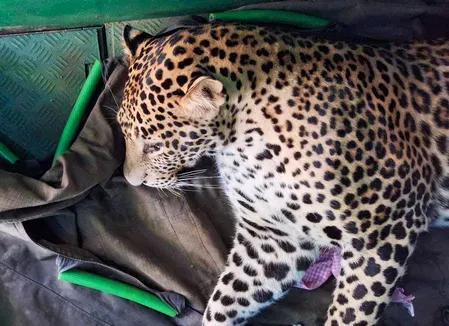
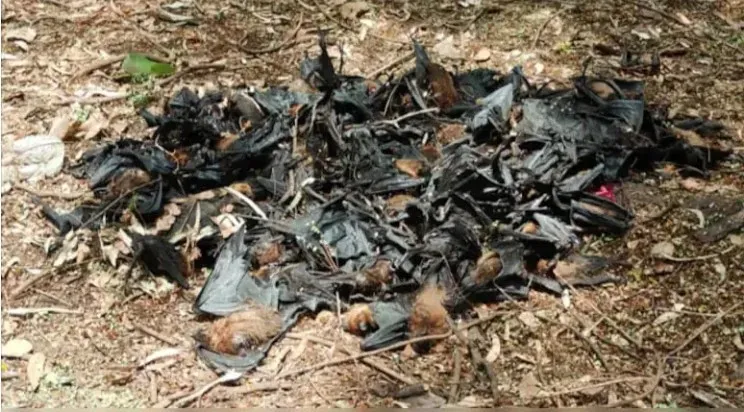
A wave of unexplained bat deaths in the Dalli Rajhara region of Balod district, Chhattisgarh has put the local administration and the Forest Department on high alert, with between 50 and 70 bats found dead every day over recent days. Samples collected from the deceased animals have been dispatched to the ICAR-National High Security Animal Disease Laboratory in Bhopal for detailed analysis, as authorities work to determine the cause of what officials are calling an abnormal wildlife mortality event.
Scale of the Deaths
The fatalities are concentrated at a specific location within Dalli Rajhara, and the daily toll is reportedly rising. Officials from the Forest Department described the scale as unusual, noting that such a concentrated pattern of wildlife deaths warrants urgent scientific scrutiny. A dedicated monitoring team from the Forest Department has been deployed continuously in the area, and the affected zones are being mapped and identified.
What Officials Have Said
A forest official, speaking to reporters on Saturday, confirmed that the Forest Department and the Veterinary Department have jointly launched an investigation. 'It would be premature to draw any definitive conclusions without the findings of a scientific investigation,' the official said, adding that the administration is treating the matter with the utmost seriousness. Senior forest officials have issued immediate directives for a thorough probe and instructed all concerned departments to remain on high alert.
Possible Causes Under Examination
Preliminary assessments by officials point to two possible explanations: extreme heat and a potential infection or disease outbreak. However, neither hypothesis has been confirmed, and authorities have been careful to avoid premature conclusions. The samples sent to the Bhopal laboratory will undergo detailed analysis before any definitive cause is established. The possibility of a zoonotic infection — one transmissible from animals to humans — has not been explicitly ruled out, making the investigation particularly significant from a public health standpoint.
Public Advisory Issued
The administration has urged local residents not to touch any dead or ailing bats they may encounter. The public has been asked to immediately alert the Forest Department or relevant officials upon spotting any such incidents. Authorities have emphasised that these precautions are essential to prevent any potential spread of infection in the community.
What Comes Next
The outcome of the laboratory analysis at the ICAR-National High Security Animal Disease Laboratory will be critical in shaping the response. If an infectious agent is identified, a wider public health protocol could be activated. Bats are known reservoirs for several viral pathogens, making rapid identification of the cause a priority for both wildlife and human health authorities. The investigation report is awaited before further action is determined.
Point of View
And a concentrated daily mortality event at a fixed location — with the cause still unknown — is precisely the kind of early signal that public health surveillance systems are designed to catch. The dispatch of samples to a high-security animal disease lab signals that authorities recognise the stakes, but the public advisory, while sensible, is reactive. The speed and transparency of the laboratory findings will determine whether this remains a localised wildlife concern or escalates into a broader health alert.
NationPress
15 Oct 2026
Frequently Asked Questions
What is causing the mass bat deaths in Chhattisgarh's Balod district?
The exact cause has not yet been determined. Preliminary assessments by officials suggest extreme heat or a potential infection as possible factors, but authorities have stated it would be premature to draw conclusions before the laboratory report is received.
Where have the bat death samples been sent?
Samples collected from the dead bats have been sent to the ICAR-National High Security Animal Disease Laboratory in Bhopal for detailed scientific analysis. Results are awaited before any definitive cause is announced.
How many bats are dying and where?
Between 50 and 70 bats have reportedly been found dead every day over recent days, all at a specific location in the Dalli Rajhara region of Balod district, Chhattisgarh. The daily toll is said to be rising.
Is there any risk to humans from the bat deaths?
Authorities have not confirmed any human health risk, but as a precaution, residents have been advised not to touch dead or ailing bats and to report sightings to the Forest Department immediately. The possibility of an infectious cause has not been ruled out.
Which departments are investigating the bat deaths?
The Forest Department and the Veterinary Department have jointly launched the investigation. A monitoring team is continuously deployed at the site, and senior forest officials have issued directives for a thorough probe.