Mekedatu project at decisive stage, says Karnataka CM Shivakumar
Synopsis
Karnataka CM D.K. Shivakumar says the Mekedatu balancing reservoir — a 66 TMC project on the Cauvery that Tamil Nadu has fiercely opposed for years — is now entering a decisive legal and administrative phase, with 2,500 acres already identified and a fresh court affidavit in the works. Judicial clearance is the last major gate before construction can begin.
Key Takeaways
Shivakumar declared the Mekedatu balancing reservoir project is entering a decisive stage on 31 October .
The project proposes a 66 TMC reservoir on the River Cauvery near the Karnataka–Tamil Nadu border for drinking water supply to Bengaluru and hydropower generation.
The state has already identified 2,500 acres of land; approximately 500 acres of farmers' land will also be acquired.
The Deputy Commissioner of Mandya has been appointed to chair the forest and land identification committee.
Tamil Nadu continues to oppose the project, arguing it violates the Cauvery Water Disputes Tribunal award and Supreme Court directions.
A fresh affidavit on parallel land allocation is being filed; court consent remains the next critical milestone before construction can proceed.
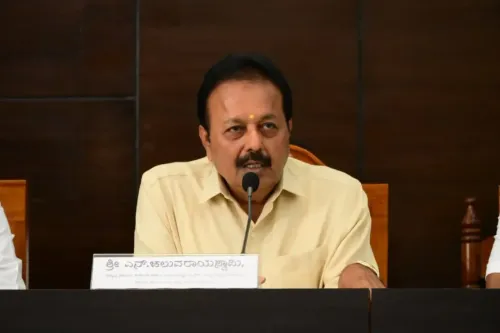
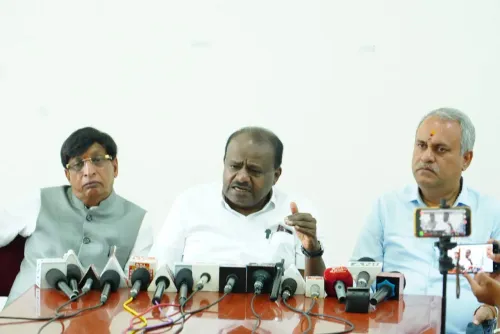
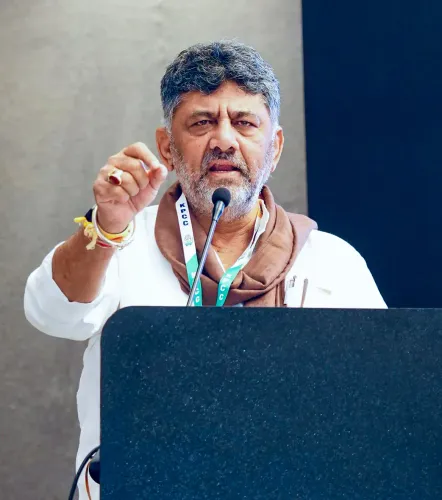
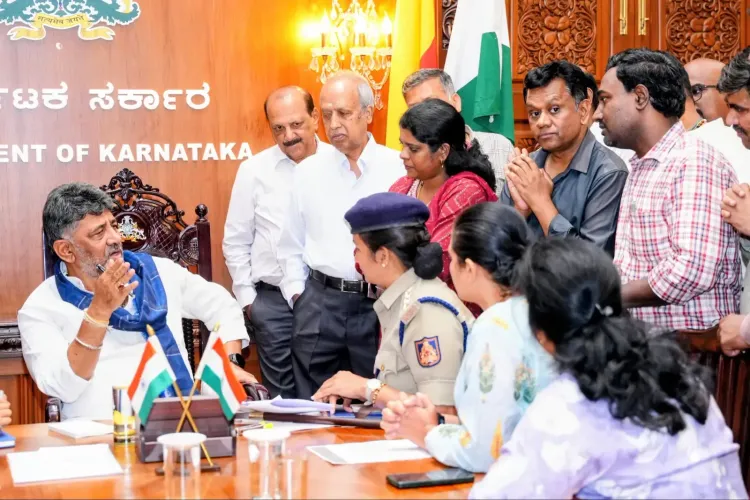
Karnataka Chief Minister D.K. Shivakumar on Saturday, 31 October declared that the long-contested Mekedatu balancing reservoir project on the River Cauvery is entering a decisive phase, with the state government actively working to resolve outstanding forest and land acquisition hurdles. The announcement was made during an address to media persons in Bengaluru.
What the Mekedatu Project Entails
The Mekedatu project proposes the construction of a balancing reservoir near the Karnataka–Tamil Nadu border on the River Cauvery, with a storage capacity of 66 TMC (thousand million cubic feet). The reservoir is designed to supply drinking water to Bengaluru and surrounding areas while also generating hydropower. The project has been in the pipeline for years, repeatedly stalled by inter-state disputes and pending regulatory clearances.
Key Developments on the Ground
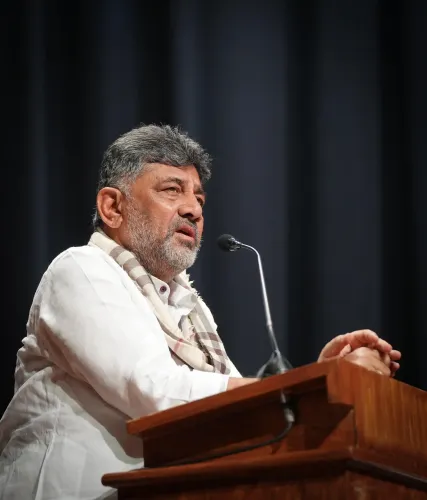
Shivakumar stated that the Deputy Commissioner of Mandya has been appointed as the chairman of a dedicated committee tasked with identifying forest land and allocating parallel land for the project. 'We have already identified 2,500 acres of land and are in the process of identifying the remaining land,' he said. He added that approximately 500 acres of farmers' land would be required, and that the land acquisition process would commence shortly.
The Chief Minister also noted that an affidavit concerning the allocation of parallel land is being filed before the court. 'After this, the court will have to give its consent. The remaining work related to the project will then be continued,' he said.
Shivakumar's Case for the Project
Shivakumar argued that the Mekedatu reservoir would give Karnataka a critical buffer during water-stress periods. 'We have a prescribed obligation to release about 177 TMC of water to Tamil Nadu every year. The project will enable us to store about 66 TMC of water, which will benefit the people of Mandya and farmers dependent on the Hemavathi, Kabini, and Harangi reservoirs,' he said. He credited his earlier intervention — filing an affidavit in the Supreme Court — with securing the apex court's in-principle consent for the project.
Notably, Shivakumar also reached out across party lines, saying: 'I have already met Union Ministers, and I request BJP leaders to work together with us.'
Tamil Nadu's Continued Opposition
The project has consistently faced pushback from Tamil Nadu, which contends that the reservoir could compromise its rightful share of Cauvery waters and potentially contravene the Cauvery Water Disputes Tribunal award and Supreme Court directions. Tamil Nadu has maintained that Karnataka cannot proceed with construction without its explicit consent — a position that has kept the project in legal and political limbo for years. This inter-state tension over the Cauvery is a decades-old fault line, and the Mekedatu dispute is its latest flashpoint.
What Comes Next
With the forest land matter still pending before the court and the state filing a fresh affidavit on parallel land allocation, judicial clearance remains the next critical milestone. Industry observers and farmer groups in Mandya are watching closely, given the project's potential to reshape water security for Bengaluru's growing population and agricultural communities across the Cauvery basin. The Centre's role — and whether cross-party cooperation materialises — will be equally consequential in the months ahead.
Point of View
And Mekedatu is its most potent symbol in the Cauvery belt. But the project's actual progress hinges less on affidavits and land surveys and more on whether Tamil Nadu's opposition softens or the Centre steps in as a mediator — neither of which appears imminent. The inter-state consent requirement is not a procedural footnote; it is a structural blockage that no amount of state-level committee work can bypass. Shivakumar's appeal to BJP leaders for cross-party support is a tacit acknowledgement that federal leverage, not just judicial clearance, will ultimately decide Mekedatu's fate.
NationPress
31 Oct 2026
Frequently Asked Questions
What is the Mekedatu balancing reservoir project?
The Mekedatu project proposes a balancing reservoir on the River Cauvery near the Karnataka–Tamil Nadu border, with a storage capacity of 66 TMC. It is designed to supply drinking water to Bengaluru and surrounding areas and to generate hydropower, while also helping Karnataka manage its annual obligation to release 177 TMC of Cauvery water to Tamil Nadu.
Why has Tamil Nadu opposed the Mekedatu project?
Tamil Nadu argues that the reservoir could reduce its share of Cauvery waters and contravene the Cauvery Water Disputes Tribunal award and Supreme Court directions. The state insists Karnataka cannot proceed with construction without its explicit consent.
What is the current status of the Mekedatu project?
As of 31 October, Karnataka has identified 2,500 acres of land and is working to identify the remainder. The Deputy Commissioner of Mandya heads a committee on forest and land identification, and a fresh affidavit on parallel land allocation is being filed before the court. Judicial consent remains the next key milestone.
Who will benefit from the Mekedatu reservoir?
The project is intended to benefit residents of Bengaluru and surrounding areas through improved drinking water supply, as well as farmers in Mandya who depend on the Hemavathi, Kabini, and Harangi reservoirs. It would also give Karnataka a water buffer during periods of Cauvery shortage.
What is the role of the Supreme Court in the Mekedatu project?
The Supreme Court has given in-principle consent to the project following an affidavit filed by the Karnataka government. However, a forest-related matter is still pending before the court, and Karnataka must secure fresh judicial clearance after filing its affidavit on parallel land allocation before construction can advance.