Mann Ki Baat Ep 138: Modi calls cleanliness best tribute to Mahatma Gandhi
Synopsis
In his 138th Mann Ki Baat episode, PM Modi turned the spotlight on ordinary Indians — youngsters cleaning rivers in MP, beaches in Mumbai, stepwells in Andhra Pradesh, and markets in West Bengal — calling their efforts the most beautiful tribute to Mahatma Gandhi just days before Gandhi Jayanti on 2 October.
Key Takeaways
PM Narendra Modi addressed the 138th episode of Mann Ki Baat on 27 September 2026 .
He called cleanliness 'the most beautiful tribute we can pay to Bapu' ahead of Gandhi Jayanti on 2 October .
Youth-led cleanliness drives were highlighted across Madhya Pradesh , Andhra Pradesh , Mumbai , Delhi , and West Bengal .
Modi emphasised public participation as the key driver, noting that individual initiatives were drawing community-wide involvement.
The address comes as the Swachh Bharat Abhiyan , launched on 2 October 2014 , enters its twelfth year.
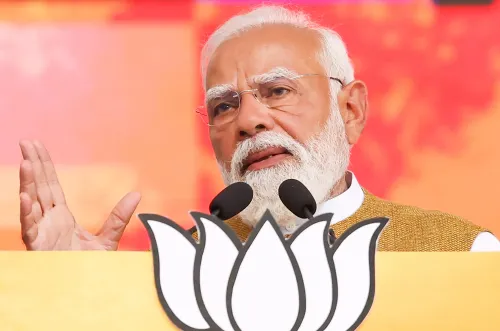
Prime Minister Narendra Modi, in the 138th episode of his monthly radio programme 'Mann Ki Baat' on Sunday, 27 September 2026, spotlighted cleanliness initiatives led by youth and communities across India, framing such efforts as the most fitting homage to Mahatma Gandhi ahead of his birth anniversary on 2 October. The address reinforced the Swachh Bharat spirit as the country approaches Gandhi Jayanti.
Gandhi's Cleanliness Mantra, Revisited
'My dear countrymen, 2nd October is just a few days away. It is the birth anniversary of our revered Bapu. Bapu gave us many mantras for life. Cleanliness is one of them,' Modi said during the broadcast. He noted that inspiring examples of cleanliness drives were circulating widely on social media in recent weeks, with pictures, videos, and reels drawing public attention to grassroots efforts.
Youth-Led Drives Across States
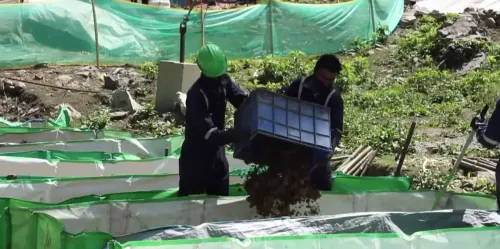
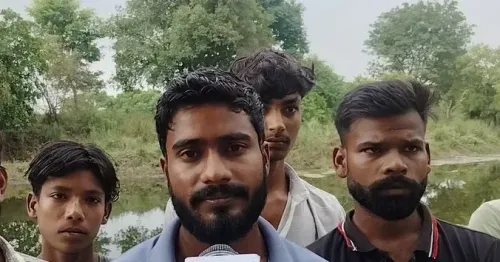
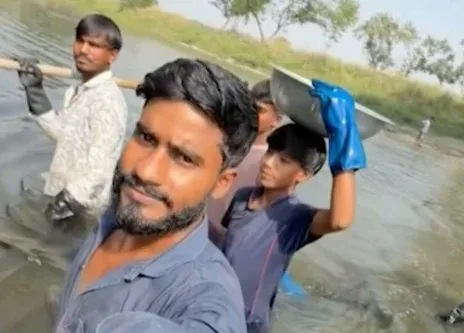
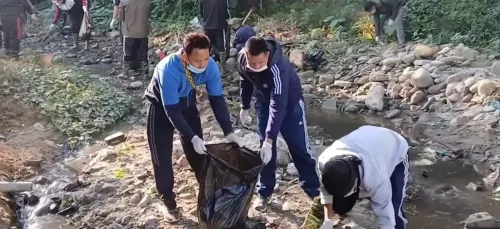
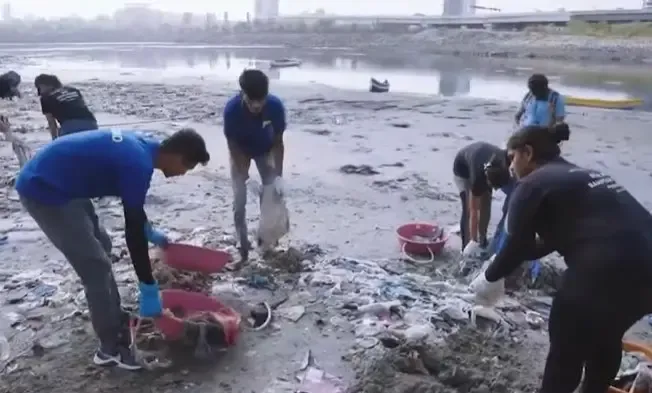
Modi cited specific examples from several states to illustrate the breadth of public participation. In Madhya Pradesh, youngsters have been cleaning a river, with the wider community joining what began as a small individual effort. In Andhra Pradesh, young volunteers are restoring old stepwells and wells, helping preserve heritage sites. Along the Mumbai coastline, hundreds of young people gather every week on different beaches to conduct clean-up drives. In Delhi, children and youth are actively encouraging residents to segregate waste and maintain clean surroundings. In West Bengal, students and local residents are cleaning markets and public spaces at picnic spots together.
The Power of Public Participation
'One thing is clearly visible: one person started this, and people joined in. This is called public participation. Cleanliness is also the most beautiful tribute we can pay to Bapu,' Modi said, underlining the multiplier effect of individual initiative on collective behaviour. He emphasised that such momentum, when sustained, could transform community habits at scale.
Context and Significance
The 138th Mann Ki Baat episode arrives as India marks the lead-up to Gandhi Jayanti, historically the anchor date for the Swachh Bharat Abhiyan, which was launched on 2 October 2014. Over a decade into the mission, the Prime Minister's focus on youth-driven, decentralised action signals a shift in communication strategy — from top-down government campaigns to celebrating citizen-led models. Notably, the examples chosen span geographically diverse states, reflecting an attempt to project the movement as a pan-India phenomenon rather than one concentrated in urban centres.
What Comes Next
With Gandhi Jayanti days away, large-scale cleanliness drives are expected across government offices, schools, railway stations, and public spaces nationwide. The Prime Minister's remarks are likely to amplify participation in these events, with civic bodies in several states already mobilising volunteers for 2 October clean-up campaigns.
Point of View
Modi's shift to celebrating citizen-led, decentralised clean-up efforts — rather than citing government statistics — is a calibrated reframe. The message is no longer 'look what the scheme achieved' but 'look what your neighbour started.' That is politically astute ahead of Gandhi Jayanti, but it also sidesteps any accountability audit of whether open defecation-free targets, waste-segregation compliance, or river-cleanliness benchmarks have actually been met. The youth-driven optics are powerful; the absence of outcome data is conspicuous.
NationPress
27 Sept 2026
Frequently Asked Questions
What did PM Modi say in Mann Ki Baat episode 138?
In the 138th episode of Mann Ki Baat on 27 September 2026, PM Modi highlighted youth-led cleanliness drives across India and called cleanliness the most beautiful tribute the country can pay to Mahatma Gandhi ahead of Gandhi Jayanti on 2 October.
Which states did Modi mention for cleanliness drives?
Modi cited examples from Madhya Pradesh (river cleaning), Andhra Pradesh (stepwell restoration), Mumbai (beach clean-ups), Delhi (waste segregation awareness), and West Bengal (market and picnic-spot cleaning).
Why is Gandhi Jayanti significant for cleanliness campaigns?
Gandhi Jayanti on 2 October is the founding date of the Swachh Bharat Abhiyan, launched by PM Modi in 2014. The occasion has since served as the national anchor for government and citizen-led cleanliness drives every year.
What is Mann Ki Baat?
Mann Ki Baat is PM Narendra Modi's monthly radio address broadcast on All India Radio, in which he speaks directly to citizens on matters of national importance, social initiatives, and inspiring stories from across the country. The 138th episode aired on 27 September 2026.
What cleanliness activities are expected around Gandhi Jayanti 2026?
Large-scale clean-up drives are expected at government offices, schools, railway stations, and public spaces nationwide on and around 2 October 2026, with civic bodies in multiple states already mobilising youth volunteers ahead of the occasion.