PM Modi's New Zealand visit: Todd McClay calls it 'significant' after 40-year gap
Synopsis
For the first time in 40 years, an Indian Prime Minister has landed in New Zealand — and the welcome is being framed as more than ceremonial. With a freshly signed Free Trade Agreement as backdrop and the Indian community now New Zealand’s third-largest ethnic group, Modi’s Auckland visit carries both economic weight and political symbolism that neither side wants to underplay.
Key Takeaways
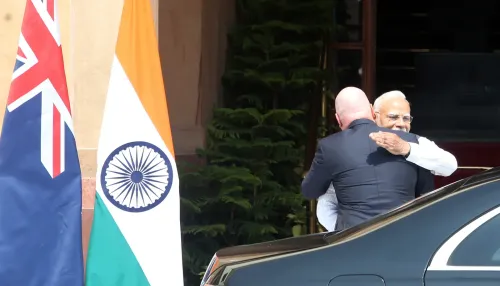
PM Narendra Modi arrived in Auckland on 10 July for a two-day official visit — the first by an Indian Prime Minister to New Zealand in 40 years .
New Zealand’s Trade and Investment Minister Todd McClay described Modi’s leadership as “calm and responsible” and the visit as “very significant.” The visit follows the signing of an India-New Zealand Free Trade Agreement earlier in 2025.
The Indian-origin community is now New Zealand’s third-largest ethnic grouping .
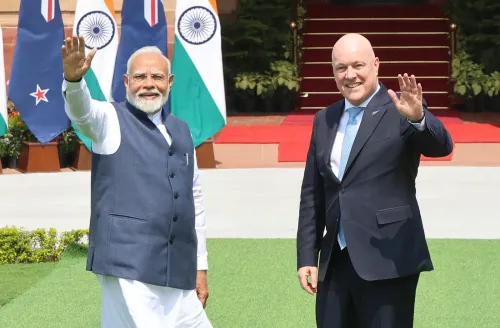
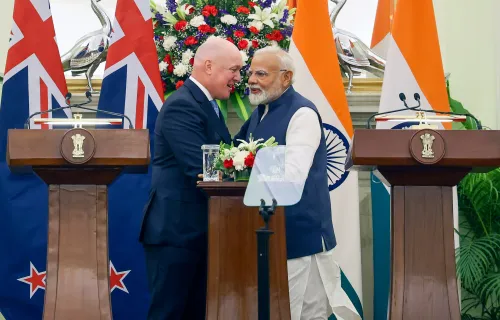
Modi will hold bilateral talks with PM Christopher Luxon , meet business and sports figures, and address the Indian diaspora .
New Zealand PM Luxon had visited India in March 2025 , meeting Modi and President Droupadi Murmu .
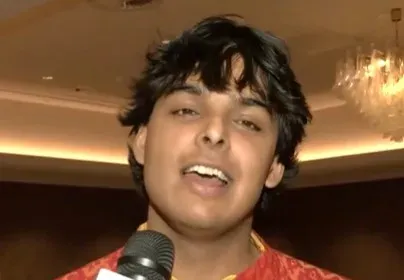
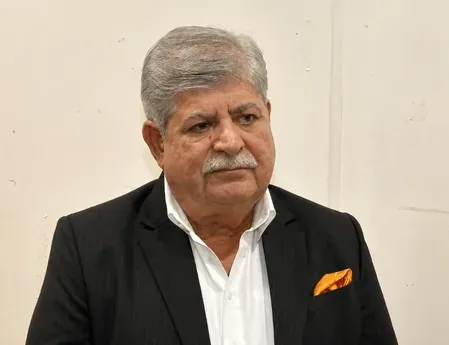
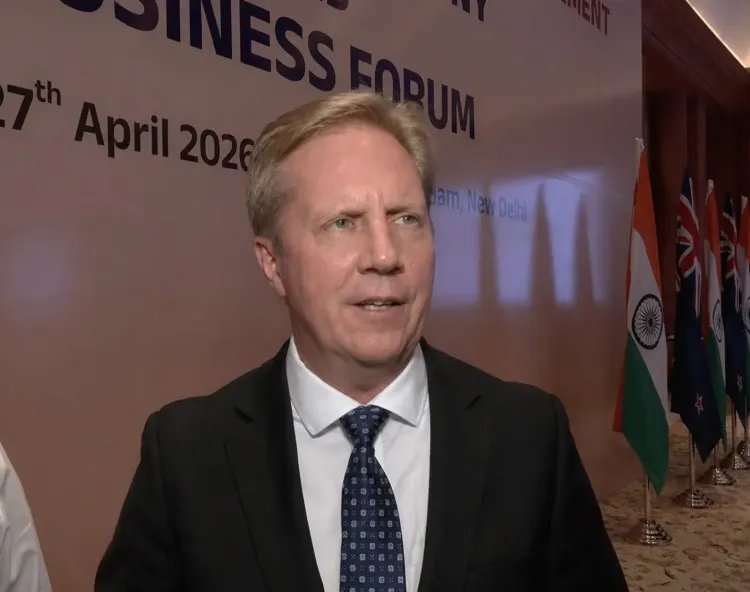
New Zealand's Trade and Investment Minister Todd McClay on Friday, 10 July praised Prime Minister Narendra Modi's leadership as “calm and responsible,” describing the Indian Prime Minister's arrival in Auckland as “very significant” — the first visit by an Indian Prime Minister to New Zealand in 40 years. McClay said New Zealanders, particularly the Indian diaspora community, were visibly excited to welcome Modi.
What McClay Said
Speaking in an interview, McClay underlined the historical weight of the occasion. “It is very significant. It’s the first visit by an Indian Prime Minister to New Zealand in 40 years. And of course, it comes just a few months after we signed our Free Trade Agreement. So, there is a very big celebration to happen here in our largest city,” he said.
McClay added that the Indian New Zealand community, now the third-largest ethnic grouping in New Zealand, would be turning out in large numbers to catch a glimpse of the Prime Minister. On Modi’s global standing, he said: “He is liked, and he is trusted... leadership, calm, responsible leadership, is something that is always needed in the world.”
Key Agenda for the Two-Day Visit
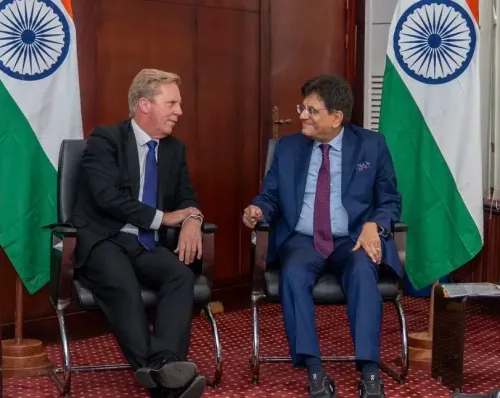
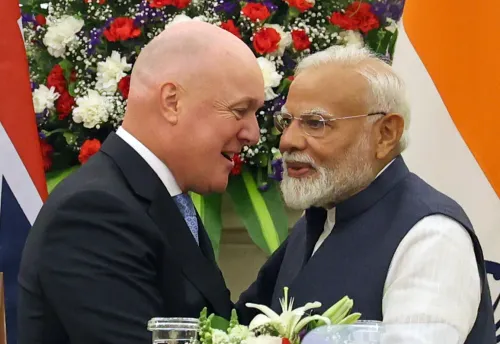
Prime Minister Modi arrived in Auckland for a two-day official visit at the invitation of New Zealand Prime Minister Christopher Luxon. According to a statement from India’s Ministry of External Affairs (MEA), Modi will hold bilateral discussions with Luxon covering the full range of ties, including trade and commerce and defence — sectors that have seen considerable progress over the past two years.
Modi is also scheduled to interact with prominent business and sports personalities and address a large gathering of the Indian diaspora in New Zealand.
India-New Zealand Ties: Recent Momentum
This visit builds on a period of accelerating bilateral engagement. New Zealand PM Christopher Luxon visited India in March 2025, holding talks with both Modi and President Droupadi Murmu. The signing of a Free Trade Agreement (FTA) in the months preceding this visit has added economic urgency to the diplomatic relationship.
Notably, the Indian-origin community is now the third-largest grouping in New Zealand, lending the visit a strong people-to-people dimension beyond formal diplomacy.
What Comes Next
The two-day programme in Auckland is expected to yield joint statements on trade, defence cooperation, and diaspora engagement. With the FTA already in place, attention will now turn to implementation timelines and sectoral priorities that Modi and Luxon are likely to formalise during their bilateral talks.
Point of View
But trade agreements only deliver if implementation follows. McClay’s effusive praise for Modi is diplomatically useful but elides the harder question: whether the FTA’s sectoral commitments will survive domestic political pressure in both countries. The diaspora dimension adds popular energy to the visit, yet diaspora goodwill and trade outcomes are not the same thing. The real measure of this reset will come in the months after Auckland, not during it.
NationPress
8 Oct 2026
Frequently Asked Questions
Why is PM Modi’s visit to New Zealand considered historic?
It is the first visit by an Indian Prime Minister to New Zealand in 40 years, making it a landmark moment in bilateral ties. The visit also comes shortly after both countries signed a Free Trade Agreement, adding economic significance to the diplomatic occasion.
What did New Zealand Trade Minister Todd McClay say about PM Modi?
McClay described Modi’s leadership as “calm and responsible” and said the Indian Prime Minister is “liked and trusted.” He called the visit “very significant” and noted that New Zealanders, especially the Indian community, were excited to welcome him.
What is on PM Modi’s agenda during the Auckland visit?
Modi is scheduled to hold bilateral talks with New Zealand PM Christopher Luxon covering trade, commerce, and defence. He will also meet business and sports personalities and address a large gathering of the Indian diaspora in New Zealand.
What is the India-New Zealand Free Trade Agreement?
The Free Trade Agreement between India and New Zealand was signed in the months preceding Modi’s July 2025 visit. It forms a key backdrop to the visit, with both sides expected to discuss implementation priorities during bilateral talks in Auckland.
How large is the Indian community in New Zealand?
The Indian-origin community is now the third-largest ethnic grouping in New Zealand, according to Trade Minister Todd McClay. This demographic weight gives Modi’s visit a strong people-to-people dimension alongside the formal diplomatic agenda.