India a transformed, upwardly mobile nation under Modi: NZ Trade Minister
Synopsis
New Zealand's Trade Minister Todd McClay has called India a 'transformed, confident, upwardly mobile nation' under PM Modi — and backed it with a concrete commitment: using the newly signed India-New Zealand FTA to help India hit its target of raising farmer incomes by 50 per cent by 2030. It is a rare, effusive endorsement from a Pacific trade partner that signals Wellington sees India as a tier-one economic relationship.
Key Takeaways
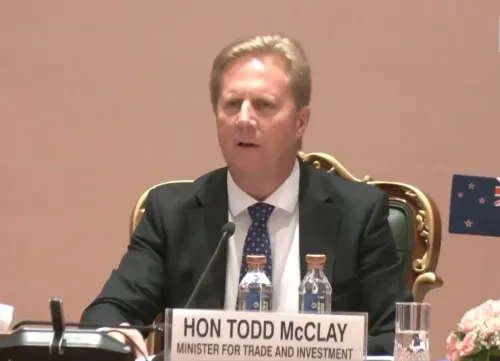
New Zealand Trade and Investment Minister Todd McClay described India's growth under PM Modi as 'quite transformational and extremely impressive' in remarks made on 10 July in Auckland .
McClay cited India's young, educated population and outward mobility as central to its economic momentum.
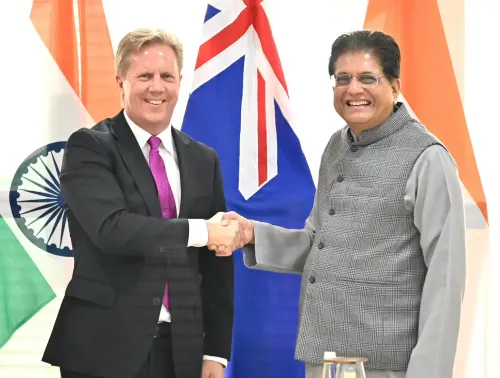
The recently concluded India-New Zealand Free Trade Agreement (FTA) was highlighted as a platform for deeper bilateral economic cooperation.
New Zealand has pledged to contribute its agriculture and agri-technology expertise to support India's goal of raising farmer incomes by 50 per cent by 2030 .
McClay framed the FTA as a development partnership, not just a trade instrument, signalling long-term strategic intent.
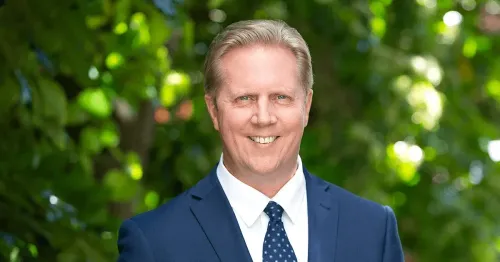
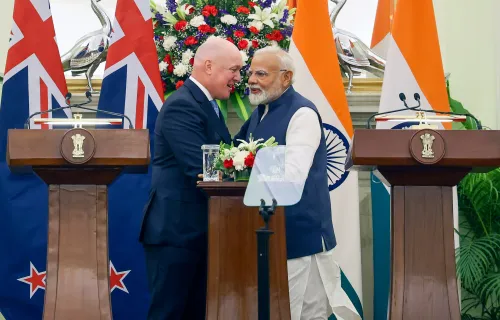
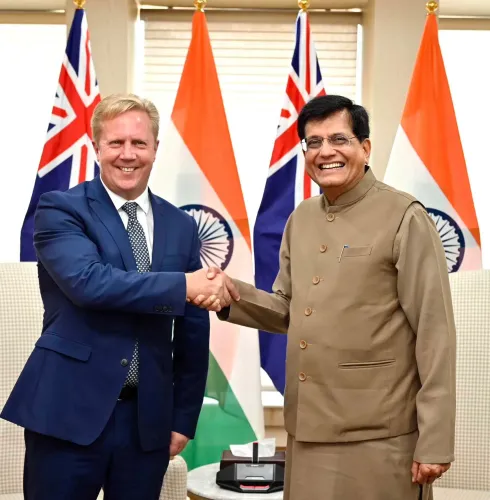
New Zealand Trade and Investment Minister Todd McClay has described India's economic trajectory under Prime Minister Narendra Modi as 'quite transformational and extremely impressive,' citing years of first-hand observation of the country's growth. Speaking in Auckland on 10 July, McClay offered a sweeping endorsement of India's development model and outlined how the newly concluded India-New Zealand Free Trade Agreement (FTA) positions both nations for deeper economic cooperation.
McClay's Assessment of India's Growth
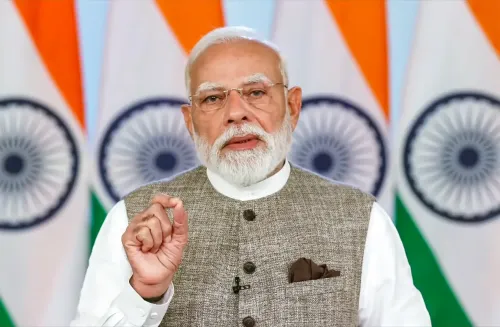
'India today is a transformed nation. It is confident. It is upwardly mobile,' McClay said, reflecting on his visits to the country spanning nearly a decade, including early-stage trade negotiation engagements. He pointed to India's demographic dividend as a key driver, noting that a young, increasingly educated population — being sent abroad for experience before returning to contribute to domestic growth — is central to the country's momentum.
'It really has been quite transformational and it's extremely impressive,' he added. The minister acknowledged that room for further progress exists, but framed the FTA as a strong foundation for the bilateral relationship going forward.
What the India-New Zealand FTA Unlocks
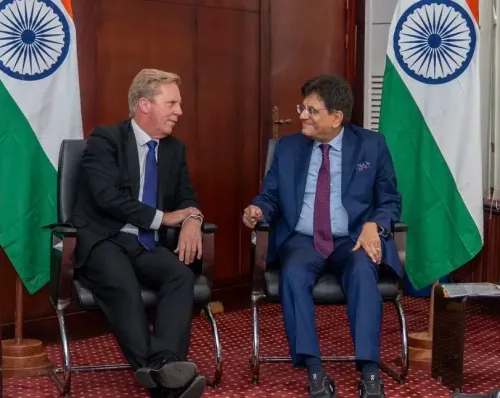
McClay described the recently concluded free trade agreement as a milestone that enables New Zealand to work alongside India as a formal economic partner. 'New Zealand now, as a partner of India, can work alongside Prime Minister Modi to continue to help develop the economy,' he said.
The FTA is expected to open avenues across multiple sectors, with agriculture and agri-technology identified as areas where New Zealand's expertise could deliver tangible benefits to Indian farmers and rural communities. This comes amid growing bilateral interest in structured knowledge and technology transfer between the two countries.
Agriculture and Agri-Tech: A Key Pillar
McClay specifically highlighted New Zealand's agricultural innovation capacity as a potential contributor to India's rural income goals. 'A lot of the expertise we have and the innovation and the agri-tech can become available to India,' he said, adding that New Zealand is committed to supporting Modi's stated target of increasing Indian farmers' earnings by 50 per cent by 2030.
'New Zealand now has the ability to play a role in that and make sure it's a success,' McClay said. The remark signals that Wellington views the FTA not merely as a trade instrument but as a platform for development partnership — a framing that aligns with India's own push for technology-led agricultural transformation.
Broader Significance of the FTA
The India-New Zealand FTA arrives at a time when India has been actively expanding its trade architecture, having concluded agreements with the UAE, Australia, and EFTA nations in recent years. A deal with New Zealand adds another node to that network, particularly relevant given New Zealand's strengths in dairy, agri-tech, and education — sectors of direct interest to India.
With both governments now formally aligned under the FTA framework, the next phase will involve sectoral implementation and identifying specific programmes through which New Zealand's agri-technology can be deployed at scale in Indian farming communities.
Point of View
But the substance deserves scrutiny. New Zealand has historically been cautious about a full FTA with India — concerns over dairy market access and immigration have stalled talks for years. That the deal is now concluded, and that Wellington's trade minister is publicly championing Modi's farmer-income targets, suggests New Zealand has recalibrated its Indo-Pacific trade priorities. The agri-tech angle is particularly worth watching: India's farm sector has seen multiple foreign-partnership announcements that did not scale. Whether New Zealand's involvement translates into measurable rural income gains — or remains a diplomatic talking point — will be the real test of this FTA's developmental credentials.
NationPress
8 Oct 2026
Frequently Asked Questions
What did New Zealand's Trade Minister say about India's economic growth?
New Zealand Trade and Investment Minister Todd McClay said India has become a 'transformed nation' that is 'confident' and 'upwardly mobile' under PM Modi, describing the country's economic journey as 'quite transformational and extremely impressive.' He based his assessment on nearly a decade of visits to India, including early trade negotiation engagements.
What is the India-New Zealand Free Trade Agreement?
The India-New Zealand Free Trade Agreement (FTA) is a recently concluded bilateral trade deal that formalises New Zealand as an economic partner of India. It is expected to open cooperation across agriculture, agri-technology, and other sectors, and builds on India's broader push to expand its trade network after deals with the UAE, Australia, and EFTA nations.
How does New Zealand plan to help Indian farmers?
Minister McClay said New Zealand's expertise in agriculture, innovation, and agri-technology will be made available to India under the FTA framework. He specifically committed to supporting PM Modi's target of increasing Indian farmers' earnings by 50 per cent by 2030, describing it as a goal New Zealand can help make a success.
Why is the India-New Zealand FTA significant?
The FTA adds New Zealand — a country with recognised strengths in dairy, agri-tech, and education — to India's expanding trade network. McClay framed it not just as a trade instrument but as a development partnership, signalling that Wellington views India as a priority economic relationship in its Indo-Pacific strategy.
What role does India's young population play in its economic growth, according to McClay?
McClay highlighted India's young, increasingly educated population as a key driver of its economic momentum. He noted that India is encouraging its youth to gain international work experience before returning home to contribute to domestic growth — a strategy he described as central to the country's upward trajectory.