India-New Zealand FTA to boost trade, tech, and culture ties: Minister Todd McClay
Synopsis
New Zealand’s Trade Minister Todd McClay has called the India-New Zealand FTA one of the highest-quality deals either country has ever signed—and with PM Modi’s first visit to New Zealand in 40 years imminent, the agreement is being positioned as a launchpad for cooperation well beyond trade, including a potential opening for UPI in New Zealand.
Key Takeaways
New Zealand Trade Minister Todd McClay called the India-New Zealand FTA one of the highest-quality deals negotiated by either country.
The agreement is expected to boost cooperation across ICT, science, culture, sport , and people-to-people exchanges.
PM Narendra Modi’s upcoming visit to New Zealand will be the first by an Indian Prime Minister in 40 years .
McClay expressed optimism about UPI and India’s digital public infrastructure finding acceptance in New Zealand.
The Indian community , one of New Zealand’s largest ethnic groups, is expected to participate in large numbers during Modi’s visit.
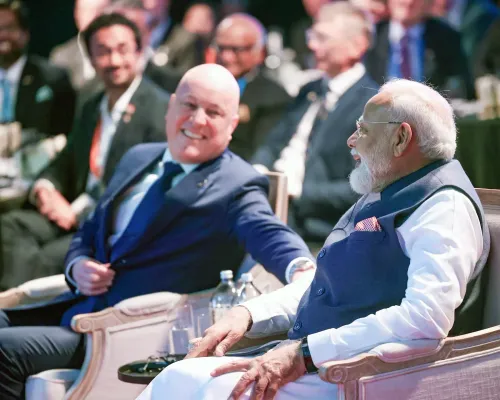
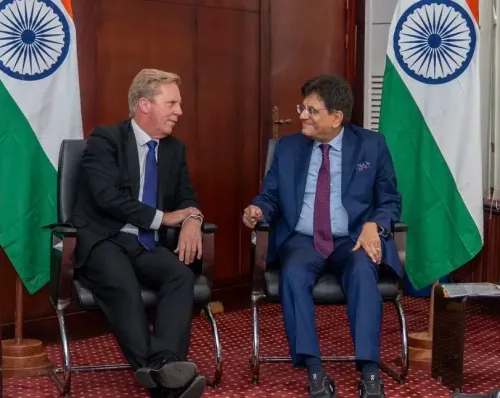
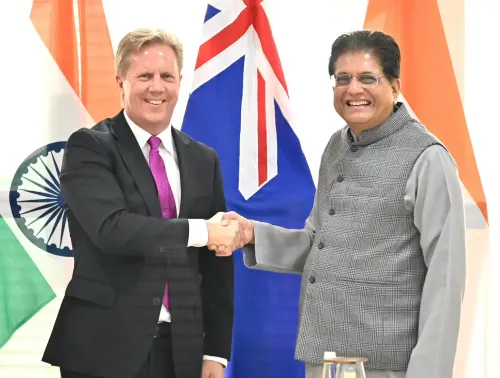
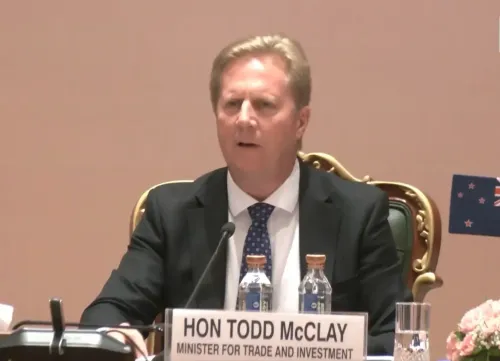
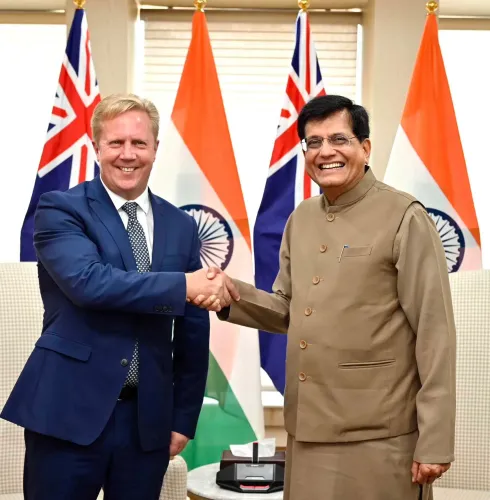
New Zealand Trade and Investment Minister Todd McClay on Friday, 10 July described the India-New Zealand Free Trade Agreement as one of the highest-quality trade deals negotiated by either country, saying it will significantly accelerate bilateral trade and deepen cooperation across sectors including technology, science, culture, and sport. McClay made the remarks in an interview from Auckland, days ahead of Prime Minister Narendra Modi's landmark visit to New Zealand.
What the FTA Unlocks
According to McClay, the agreement creates a framework of mutual trust that enables business communities on both sides to pursue long-term, sustainable partnerships. “It’s one of the highest-quality deals either country has negotiated. It allows for greater cooperation,” he said. “The two governments have said we trust each other, we’ve set in place rules, we’re going to honour them. That now enables the business communities to seek out high-quality partners and to build long-term sustainable relationships.”
The minister added that growth in ICT (Information and Communications Technology) cooperation is expected to be among the earliest and most visible benefits of the agreement.
Beyond Trade: Science, Sport, and People-to-People Ties
McClay emphasised that the FTA’s impact will extend well beyond goods and services. “You’ll see not only our two-way trade grow very quickly, you’ll see many other areas of cooperation—from science to people-to-people, to culture and sport—grow just as fast,” he said. This positions the agreement as a broad bilateral framework rather than a purely commercial instrument.
Modi’s Visit: First by an Indian PM in 40 Years
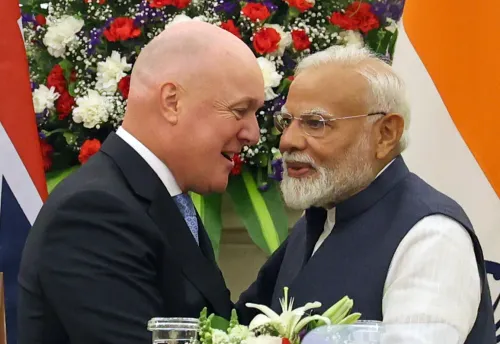
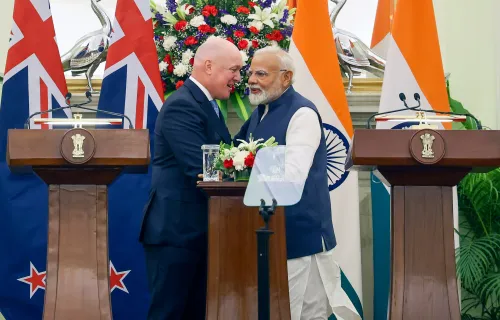
Prime Minister Modi’s upcoming visit to New Zealand is being described as historically significant—it will be the first visit by an Indian Prime Minister to the country in four decades. McClay noted that the visit comes just months after the FTA was signed, amplifying its diplomatic weight. “There is a very big celebration that will happen here in our largest city, and all New Zealanders are looking forward to welcoming Prime Minister Modi, particularly the Indian-New Zealand community,” he said.
The Indian community, one of the largest ethnic groups in New Zealand, is expected to turn out in significant numbers for the occasion, according to McClay.
UPI and Digital Infrastructure in Focus
On the question of whether India’s digital public infrastructure—including the Unified Payments Interface (UPI)—could find acceptance in New Zealand, McClay expressed optimism while noting regulatory considerations. “We’re a very open economy. Although you’ve got to fit with the rules we have in place, I don’t think that will be such a challenge,” he said. He added that the FTA itself creates greater certainty for digital integration, as New Zealand modernises its economy.
What Comes Next
With the FTA in place and a high-profile state visit imminent, both governments appear to be moving from agreement to implementation. Industry observers will watch whether the ICT and digital infrastructure commitments translate into concrete pilots—particularly around UPI’s cross-border utility—in the months ahead.
Point of View
Not just a commercial arrangement. The UPI angle is worth watching closely: if New Zealand becomes a pilot market for India’s digital payments stack in the Pacific, it could set a template for other bilateral digital integration efforts. Modi’s visit, the first in four decades, adds political momentum that trade agreements alone rarely generate. The real test will be whether the ICT and digital commitments move beyond ministerial optimism into operational frameworks within the year.
NationPress
8 Oct 2026
Frequently Asked Questions
What is the India-New Zealand Free Trade Agreement?
The India-New Zealand Free Trade Agreement is a bilateral trade deal described by New Zealand Trade Minister Todd McClay as one of the highest-quality agreements negotiated by either country. It is designed to accelerate two-way trade and deepen cooperation across sectors including ICT, science, culture, sport, and people-to-people exchanges.
Why is PM Modi’s visit to New Zealand significant?
PM Narendra Modi’s upcoming visit to New Zealand will be the first by an Indian Prime Minister in 40 years, according to Minister McClay. It comes just months after the signing of the India-New Zealand FTA, giving the visit added diplomatic and economic significance.
Could UPI be adopted in New Zealand?
New Zealand Trade Minister Todd McClay expressed optimism about the Unified Payments Interface (UPI) and India’s broader digital public infrastructure finding acceptance in New Zealand. He noted that while digital tools must comply with existing regulations, he does not foresee this as a significant barrier, given New Zealand’s open economy stance.
Which sectors will benefit most from the India-New Zealand FTA?
According to Minister McClay, ICT is expected to see early and significant cooperation gains. Beyond trade, the agreement is also expected to accelerate collaboration in science, culture, sport, and people-to-people exchanges between the two countries.
How large is the Indian community in New Zealand?
The Indian community is one of the largest ethnic groups in New Zealand, according to Minister McClay. The community is expected to turn out in significant numbers to welcome Prime Minister Modi during his upcoming visit.