PM Modi: Nominating RG Kar Victim's Mother Proves BJP's Women Safety Vow
Synopsis
PM Modi at Thakurnagar rally declared BJP's nomination of RG Kar rape-murder victim's mother Swapna Debnath from Panihati as proof of the party's women safety commitment. He attacked TMC over Sandeshkhali and promised Rs 3,000 monthly allowance, Rs 1 lakh annual income support, and 33% job reservation for women in West Bengal.
Key Takeaways
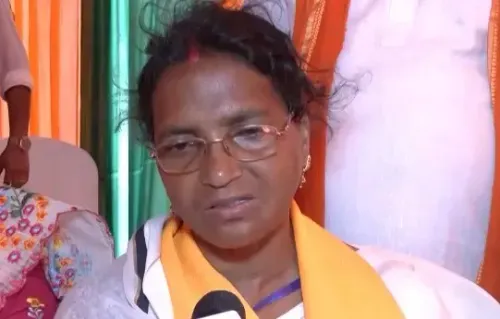
Swapna Debnath , mother of the R.G.
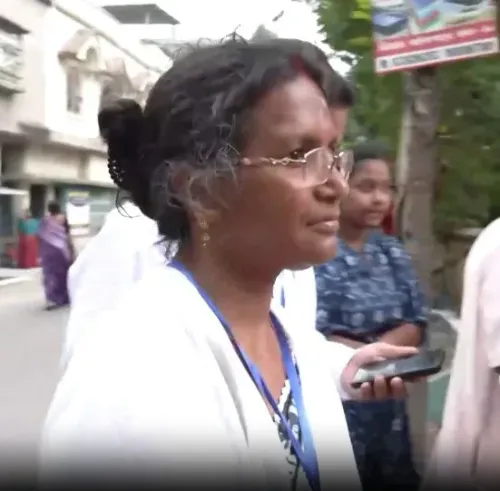
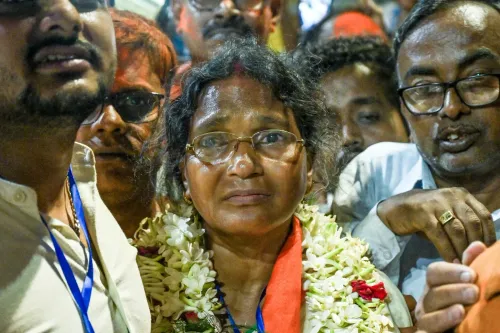
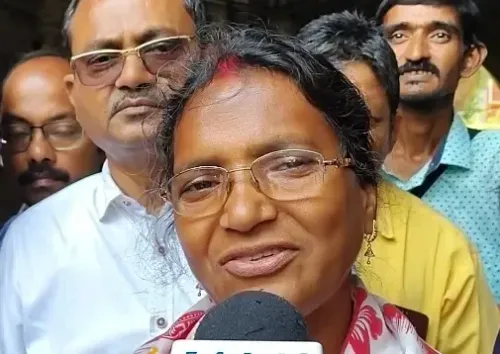
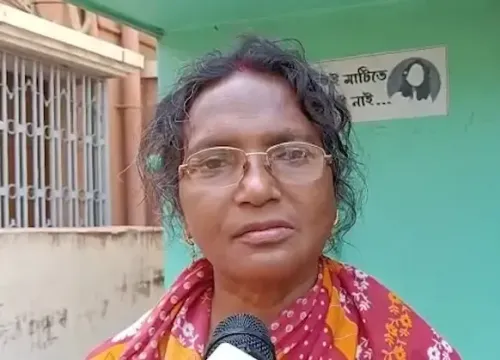
Kar Medical College rape-murder victim , has been fielded by the BJP from Panihati Assembly constituency in North 24 Parganas .
PM Modi cited the candidacy at his Thakurnagar rally on April 26 as proof of BJP's commitment to women's safety in West Bengal .
BJP has promised women a monthly allowance of Rs 3,000 (Rs 36,000 per year) and income support of at least Rs 1 lakh annually if voted to power.
33 per cent reservation in state government jobs for women is among BJP's key poll promises for West Bengal.
PM Modi attacked TMC over the Sandeshkhali atrocities and alleged that girls have gone missing daily since the current West Bengal government came to power.
The RG Kar case is being investigated by the CBI following Calcutta High Court orders, and the trial remains ongoing during the election campaign.
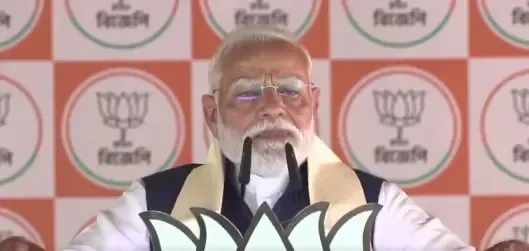
Prime Minister Narendra Modi, addressing a campaign rally at Thakurnagar in North 24 Parganas district on Sunday, April 26, declared that the Bharatiya Janata Party's decision to field Swapna Debnath — mother of the R.G. Kar Medical College rape-murder victim — as a candidate in the West Bengal Assembly elections is concrete proof of the party's unwavering commitment to women's safety. The announcement came amid an emotionally charged campaign atmosphere as West Bengal heads into the second phase of polling.
Who Is Swapna Debnath and Why Her Candidacy Matters
Swapna Debnath is the mother of the woman doctor who was brutally raped and murdered inside the premises of the state-run R.G. Kar Medical College and Hospital in Kolkata in August 2024 — a case that sent shockwaves across India and triggered massive protests demanding justice for healthcare workers. The BJP has fielded her from the Panihati Assembly constituency in North 24 Parganas, the same district that houses the victim's ancestral home.
The candidacy is being viewed by political analysts as a high-stakes symbolic move — one that transforms personal grief into political agency. It directly challenges the Trinamool Congress (TMC) government's handling of the case, which faced widespread criticism for alleged evidence tampering, delayed FIR registration, and the initial misreporting of the incident as a suicide.
PM Modi's Sharpest Attacks on TMC Over Women's Safety
Speaking at the Thakurnagar rally, PM Modi launched a scathing critique of the Mamata Banerjee-led TMC government, calling it a regime of jungle rule where women have been systematically victimised. He stated that mothers and sisters have been victims of jungle rule in the Trinamool Congress regime and that the anger in their eyes was most visible, with reflections felt in the huge polling percentage in the first phase of the Assembly polls on April 23.
He specifically referenced the Sandeshkhali sexual assault controversy, where women from the area had alleged repeated harassment by TMC-linked local strongmen. Modi said goons tortured sisters in Sandeshkhali and got the backing of the Trinamool Congress, adding that girls have been going missing every day since the current regime came into power.
In the 2024 Lok Sabha elections, the BJP had also fielded a woman from Sandeshkhali who had publicly protested the atrocities — a pattern the party is now reinforcing with Swapna Debnath's candidacy.
BJP's Women Empowerment Promises for West Bengal
Beyond safety rhetoric, PM Modi outlined a concrete policy agenda for women if the BJP forms the government in West Bengal. He promised that women from financially weaker sections would be enabled to earn at least Rs 1 lakh per year, with access to affordable bank loans for starting small businesses, including eateries, backed by his personal guarantee.
Additionally, he announced a monthly allowance of Rs 3,000 — amounting to Rs 36,000 annually — for women in the state. He also pledged that 33 per cent of state government jobs would be reserved for women under a BJP government, a promise that would significantly impact the state's employment landscape.
These announcements mirror similar schemes the BJP has deployed in other states — such as the Ladli Behna Yojana in Madhya Pradesh and the Mukhyamantri Majhi Ladki Bahin Yojana in Maharashtra — which political strategists credit with delivering electoral dividends among women voters.
The Jhalmuri Moment and the Battle for Bengal's Cultural Narrative
PM Modi also addressed the political controversy surrounding his now-viral jhalmuri break during the BJP's poll campaign trail in West Bengal. TMC leaders had mocked the Prime Minister for eating the popular Bengali street snack, which Modi turned into a counter-narrative moment.
He said those who are so annoyed by his jhalmuri break do not like the creativity of the youth of Bengal, adding that BJP will make content creation the strength of Bengal. The remark was seen as an attempt to connect with younger voters while painting TMC leaders as dismissive of local culture.
Broader Political Context and What Comes Next
The West Bengal Assembly elections are being held in multiple phases, with the first phase recording notably high voter turnout on April 23 — a figure BJP leaders are interpreting as anti-incumbency against the TMC. The RG Kar case remains one of the most politically sensitive flashpoints of the campaign, with the victim's family's public profile now directly inserted into the electoral contest.
Notably, the Central Bureau of Investigation (CBI) took over the RG Kar case following Calcutta High Court orders, and the trial is ongoing — meaning the case will remain in public consciousness well beyond election day. The BJP's move to give Swapna Debnath a ticket ensures the issue stays front and centre in the campaign's final stretch.
As polling progresses through subsequent phases, all eyes will be on whether the emotional resonance of the RG Kar case and the BJP's women-centric promises translate into actual vote shifts in a state where TMC has dominated for over a decade. Results and the effectiveness of these campaign strategies will become clearer as vote counting approaches.
Point of View
Arguably the most damaging controversy for the Mamata Banerjee government, alive and visceral in voters' minds through election day. However, critics will rightly ask whether fielding a grieving mother is genuine advocacy or electoral instrumentalisation of trauma. What is strategically telling is the pattern: the BJP fielded a Sandeshkhali survivor in the 2024 Lok Sabha polls and now a victim's mother in 2025 state polls — suggesting a deliberate, repeatable template of converting women's suffering into electoral capital. The real test will be whether the promised Rs 3,000 monthly allowance and job reservations are backed by fiscal roadmaps, or remain aspirational slogans — a distinction Bengal's voters may well scrutinise.
NationPress
19 Sept 2026
Frequently Asked Questions
Who is Swapna Debnath and why is she contesting the West Bengal elections?
Swapna Debnath is the mother of the woman doctor who was raped and murdered at R.G. Kar Medical College and Hospital in Kolkata in August 2024. The BJP has fielded her as its candidate from the Panihati Assembly constituency in North 24 Parganas as a symbol of the party's commitment to women's safety.
What promises did PM Modi make for women in West Bengal at the Thakurnagar rally?
PM Modi promised a monthly allowance of Rs 3,000 (Rs 36,000 annually), income support enabling women to earn at least Rs 1 lakh per year, affordable bank loans for small businesses, and 33 percent reservation in state government jobs for women if BJP comes to power in West Bengal.
What did PM Modi say about the Sandeshkhali atrocities during his West Bengal campaign?
PM Modi accused the Trinamool Congress of backing the goons who tortured women in Sandeshkhali, calling it evidence of TMC's indifference to women's safety. He noted that in the 2024 Lok Sabha elections, BJP had already fielded a woman from Sandeshkhali who had protested against those atrocities.
What is the current status of the RG Kar rape-murder case?
The RG Kar rape-murder case was transferred to the Central Bureau of Investigation following orders from the Calcutta High Court, and the trial is currently ongoing. The case triggered nationwide protests in 2024 and remains one of the most politically sensitive issues in the West Bengal election campaign.
Why did PM Modi talk about jhalmuri at his West Bengal rally?
PM Modi addressed TMC leaders who had mocked him for eating jhalmuri — a popular Bengali street snack — during his campaign trail, turning it into a cultural counter-narrative. He used the moment to connect with Bengali youth and announced that a BJP government would promote content creation as an economic strength of West Bengal.