MP Congress chief slams Mohan Yadav govt over 325+ IAS transfers, calls it 'transfer factory'
Synopsis
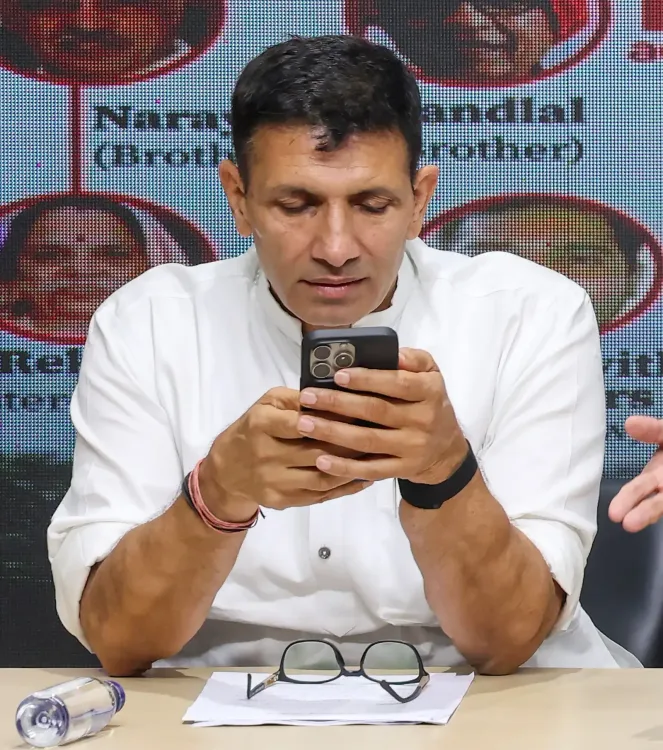
Madhya Pradesh Congress president Jitu Patwari has written to CM Mohan Yadav alleging over 325 IAS transfers in under two years — more than 16 a month — and demanding a minimum two-year tenure policy. His letter frames the churn not as routine administration but as a structural governance failure, escalating BJP's internal accountability problem in a state it won decisively in 2023.
Key Takeaways
Jitu Patwari wrote to CM Mohan Yadav on 10 November 2026 , accusing the BJP government of running a 'transfer factory' in Madhya Pradesh .
More than 325 IAS officers were reportedly transferred between December 2023 and July 2025 , averaging over 16 transfers a month .
Around 36 IAS officers received new responsibilities since 23 July ; Collectors of nearly two dozen districts and SPs of around a dozen districts were changed in three months.
62 IPS officers were reportedly transferred in May 2026 .
Patwari has demanded a minimum two-year tenure for Collectors and SPs, written reasons for premature transfers, and an annual white paper on officer postings.
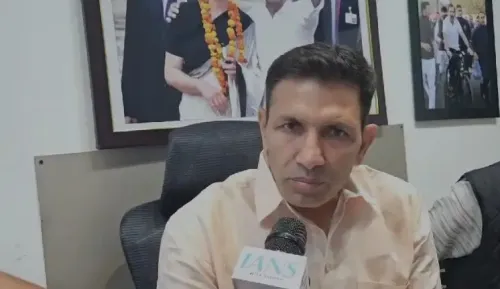
Madhya Pradesh Congress president Jitu Patwari on Tuesday, 10 November wrote to Chief Minister Mohan Yadav, accusing his Bharatiya Janata Party (BJP) government of converting the state's administrative machinery into a 'transfer factory', alleging that relentless reshuffling of IAS and IPS officers was eroding governance stability across Madhya Pradesh.
Key Allegations and Figures
Patwari cited figures to back his charge, claiming that more than 325 IAS officers were transferred between December 2023 and July 2025 — an average of over 16 transfers a month. He further alleged that around 36 IAS officers had been assigned new responsibilities since 23 July, while Collectors of nearly two dozen districts and Superintendents of Police of around a dozen districts had been changed over the preceding three months. He also cited the transfer of 62 IPS officers in May 2026 as a specific instance of what he described as systemic churning.
Comparing Chouhan and Yadav Tenures
Patwari drew a pointed historical comparison, arguing that the 'transfer industry' that allegedly operated under former Chief Minister Shivraj Singh Chouhan had been scaled up into a 'transfer factory' under the present administration. 'During the Shivraj government, a transfer industry operated, but under your tenure, a full-fledged transfer factory has been established in Madhya Pradesh,' Patwari wrote in his letter to the Chief Minister. He added on X (formerly Twitter): 'History will record that Shivraj Singh Chouhan started the transfer industry in Madhya Pradesh and Dr Mohan Yadav turned it into a transfer factory.'
Administrative Impact and Accountability Concerns
Patwari questioned the practical effectiveness of such short postings, asking whether a Collector could genuinely understand a district's problems — let alone improve its administration — within two-and-a-half months, or whether an SP could deliver lasting policing reforms within six months. He referenced a statement by Kuno National Park Field Director and senior IFS officer B. Uttam Kumar Sharma, who had reportedly noted that officers require one to two years to understand the administrative system, and that a tenure exceeding two years opens the door to meaningful institutional reforms. Patwari alleged that frequent transfers disrupted development work, impaired the implementation of government schemes, and weakened administrative accountability.
Demands: Transparent Policy and White Paper
The Congress leader proposed a transparent transfer policy that would guarantee a minimum two-year tenure for IAS and IPS officers posted as Collectors, SPs, and heads of important departments under normal circumstances. He demanded that reasons for any premature transfers be made public in writing. Patwari also called for an annual white paper detailing officers' transfers, their tenures, and the reasons behind early transfers, alongside an independent assessment of administrative performance in districts and departments affected by frequent reshuffles. The BJP government had not issued an official response to the letter at the time of publication.
What Happens Next
The letter raises questions that the state government will find difficult to sidestep ahead of the next assembly session. With district-level governance directly tied to scheme delivery and law-and-order outcomes, the demand for a formal transfer policy is likely to gain traction among civil society groups and opposition allies. Whether the Yadav administration responds with a structured policy or dismisses the charges as routine political opposition will shape the administrative narrative in Madhya Pradesh over the coming months.
Point of View
The broader concern about short district-level tenures is well-evidenced in public administration research: collectors and SPs cycling through every two to three months cannot build local knowledge or push multi-year projects. The demand for a written transfer policy is not new — several states have framed such guidelines — but MP has repeatedly deferred it. The absence of a BJP rebuttal on the specifics rather than the politics suggests the government may have little data to contest the charge with.
NationPress
10 Nov 2026
Frequently Asked Questions
What did Jitu Patwari allege against the Madhya Pradesh government?
Congress president Jitu Patwari alleged that the BJP government under CM Mohan Yadav had turned the state into a 'transfer factory' by frequently reshuffling IAS and IPS officers, claiming more than 325 IAS transfers in under two years and 62 IPS transfers in May 2026 alone. He argued this was disrupting governance, development work, and administrative accountability.
How many IAS officers were transferred in Madhya Pradesh between December 2023 and July 2025?
According to figures cited by Jitu Patwari, more than 325 IAS officers were transferred during this period, averaging over 16 transfers a month. The figures have not been independently verified, and the state government had not responded at the time of publication.
What policy changes has the Congress demanded?
Patwari has demanded a minimum two-year tenure for IAS and IPS officers serving as Collectors, SPs, and heads of important departments under normal circumstances. He has also called for written public disclosure of reasons for premature transfers and an annual white paper on officer postings and tenures.
How does Patwari compare CM Yadav's tenure to Shivraj Singh Chouhan's?
Patwari claimed that while a 'transfer industry' existed under former CM Shivraj Singh Chouhan, it has escalated into a full-fledged 'transfer factory' under Mohan Yadav. He used this comparison both in his formal letter to the Chief Minister and in a post on X.
Why do frequent officer transfers matter for governance?
Short postings mean district Collectors and SPs may not have enough time to understand local problems or implement lasting reforms. Kuno National Park Field Director B. Uttam Kumar Sharma was cited as saying officers need one to two years to grasp administrative systems, with tenures beyond two years required for institutional change. Frequent reshuffles can also reduce accountability, as officers may not remain in post long enough to be assessed on outcomes.