MP govt holds ICJS workshop on June 28 to implement new criminal laws
Synopsis
Madhya Pradesh is convening all key criminal justice stakeholders — police, judges, prosecutors, prisons, and forensic labs — for a single-day ICJS workshop on 28 June in Bhopal. The focus: closing the digital coordination gaps that have slowed the ground-level rollout of India's three new criminal laws, now over a year old.
Key Takeaways
Madhya Pradesh will hold a state-level ICJS workshop on 28 June at Kushabhau Thakre Auditorium, Bhopal , starting at 9:30 am IST .
The workshop targets effective implementation of the Bharatiya Nyaya Sanhita (BNS) , Bharatiya Nagarik Suraksha Sanhita (BNSS) , and Bharatiya Sakshya Adhiniyam (BSA) — all in force since 1 July 2024 .
Participants include senior district police officers, judges, and officials from prosecution, prison, and forensic science departments.
The ICJS framework aims to enable seamless digital information exchange among police, courts, prosecution, prisons, and forensic labs.
The new laws replaced the colonial-era Indian Penal Code , Code of Criminal Procedure , and Indian Evidence Act .
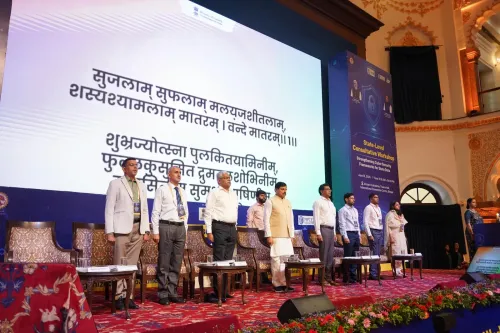
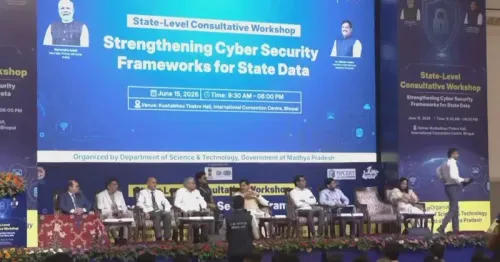
The Madhya Pradesh government will host a one-day state-level workshop on the Interoperable Criminal Justice System (ICJS) in Bhopal on 28 June, aimed at strengthening the implementation of the country's three landmark criminal laws and deepening digital coordination across agencies in the criminal justice chain.
Workshop Details and Participants
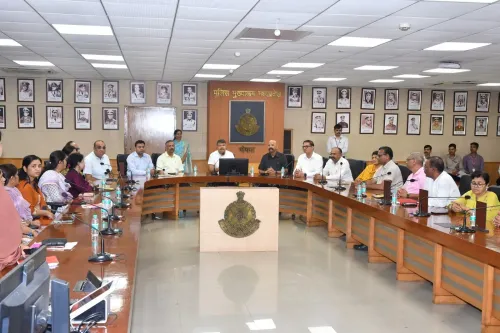
The event will be held at Kushabhau Thakre Auditorium (Minto Hall), beginning at 9:30 am IST. Senior police officers from all districts, judges, and senior officials from the prosecution, prison, and forensic science departments are expected to participate, bringing together all key pillars of the state's criminal justice system under one roof.
The Three New Criminal Laws
The workshop centres on the Bharatiya Nyaya Sanhita (BNS), 2023, the Bharatiya Nagarik Suraksha Sanhita (BNSS), 2023, and the Bharatiya Sakshya Adhiniyam (BSA), 2023 — the three statutes that came into force nationwide on 1 July 2024, replacing the colonial-era Indian Penal Code, the Code of Criminal Procedure, and the Indian Evidence Act. The new laws mandate a more technology-driven approach, emphasising digital records, electronic evidence, and time-bound investigations.
What the Government Said
According to an official government statement, the workshop's stated objective is to 'deliberate on strategies for the digitally effective implementation of the new criminal laws and to establish coordination among all the pillars of the criminal justice system.' Officials added that the event is expected to improve both the efficiency and transparency of criminal justice delivery across Madhya Pradesh.
MP's Digital Push Under ICJS
Madhya Pradesh has been conducting training programmes for police personnel and other stakeholders since the laws took effect, while simultaneously integrating digital platforms under the ICJS framework. The system is designed to enable seamless exchange of information among police, courts, prosecution, prisons, and forensic science laboratories — eliminating the information silos that have historically slowed justice delivery.
Significance and What Comes Next
This comes amid a broader national push to ensure uniform adoption of the new criminal statutes, with several states at varying stages of implementation. The 28 June workshop is expected to surface state-specific challenges and chart a roadmap for faster, more coordinated rollout. Officials said inter-departmental coordination remains the central focus, with digital integration seen as the key lever for improving case turnaround times across the justice chain.
Point of View
But the harder question is whether digital integration is keeping pace with the legal mandate. India's new criminal laws have been on the books for over a year, yet inter-agency data sharing — the backbone of a functional ICJS — remains patchy in many states. Madhya Pradesh's initiative is notable, but a single workshop cannot substitute for sustained infrastructure investment and personnel retraining at the district level. The real test will be whether case data flows seamlessly from the police station to the courtroom to the prison — and whether that translates into measurably faster justice delivery for ordinary citizens.
NationPress
25 Sept 2026
Frequently Asked Questions
What is the ICJS workshop being held in Bhopal on 28 June?
It is a one-day state-level workshop organised by the Madhya Pradesh government to strengthen the digital implementation of India's three new criminal laws — the BNS, BNSS, and BSA — and improve coordination among police, courts, prosecution, prisons, and forensic labs through the Interoperable Criminal Justice System (ICJS).
What are the three new criminal laws the workshop focuses on?
The workshop focuses on the Bharatiya Nyaya Sanhita (BNS) 2023, Bharatiya Nagarik Suraksha Sanhita (BNSS) 2023, and Bharatiya Sakshya Adhiniyam (BSA) 2023, which came into force on 1 July 2024, replacing the Indian Penal Code, the Code of Criminal Procedure, and the Indian Evidence Act respectively.
Who will participate in the Bhopal ICJS workshop?
Senior police officers from all districts of Madhya Pradesh, judges, and senior officials from the prosecution, prison, and forensic science departments are expected to attend the workshop at Kushabhau Thakre Auditorium.
Why is inter-agency coordination important under the new criminal laws?
The new laws mandate a technology-driven criminal justice process, including digital records, electronic evidence, and time-bound investigations. Seamless data exchange among police, courts, prosecution, prisons, and forensic labs through the ICJS is essential to meet these requirements and reduce delays in justice delivery.
What has Madhya Pradesh done so far to implement the new criminal laws?
Madhya Pradesh has been conducting training programmes for police personnel and other stakeholders and has been integrating digital platforms under the ICJS framework since the laws came into effect on 1 July 2024. The 28 June workshop is the latest step in this ongoing implementation effort.