CM Mohan Yadav Flags Cyber Threats at Bhopal Data Security Workshop
Synopsis
Madhya Pradesh Chief Minister Dr. Mohan Yadav addressed a state-level cyber security workshop in Bhopal on 15 June 2026, warning of rising deepfake and data-theft threats and affirming the state's commitment to building a secure digital ecosystem as a foundation of good governance.
Key Takeaways
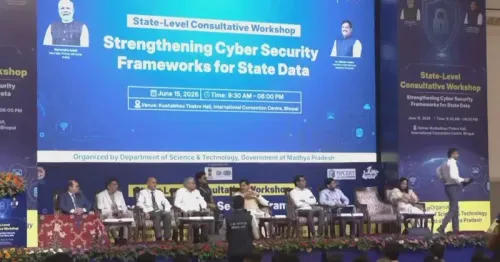
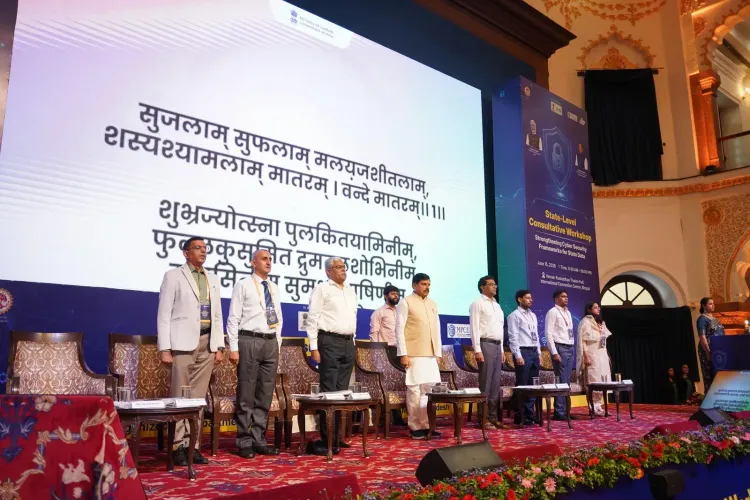
Mohan Yadav addressed the 'Strengthening Cyber Security Frameworks for State Data' workshop at Kushabhau Thakre Convention Centre, Bhopal on 15 June 2026 .
He described citizen data as 'a vital national asset' and a matter of public trust, not merely information.
Deepfakes, data theft, cyber fraud, and cyber attacks were identified as rapidly escalating threats requiring urgent state-level response.
The Madhya Pradesh government positioned cyber security as a core pillar of good governance and is working to build a secure digital ecosystem in the state.
The initiative aligns with India's Digital Personal Data Protection Act, 2023 and the broader Digital India programme.
Rollout of specific departmental protocols and potential budgetary allocations are expected as follow-up steps.
Madhya Pradesh Chief Minister Dr. Mohan Yadav addressed a state-level consultative workshop on 'Strengthening Cyber Security Frameworks for State Data' at the Kushabhau Thakre Convention Centre, Bhopal, on Monday, 15 June 2026, calling for a secure digital ecosystem as a cornerstone of good governance.
Context
Speaking at the workshop, Dr. Yadav underscored that data in the digital age is not merely information but 'the trust of citizens and a vital national asset' (nागरिकों के विश्वास और राष्ट्र की महत्वपूर्ण परिसंपत्ति). He highlighted the rapidly growing threats of deepfakes, data theft, cyber fraud, and cyber attacks as challenges that make a secure digital order 'the greatest need of the times.'
The workshop, organised at the Kushabhau Thakre Convention Centre — a prominent state government venue in Bhopal — brought together stakeholders to deliberate on frameworks for protecting state-held data.
Policy Backdrop
India's national cyber security architecture has evolved significantly over the past decade. The National Cyber Security Policy of 2013 laid the groundwork for safeguarding critical information infrastructure, while the Digital Personal Data Protection Act, 2023 established a binding legal framework for how personal data must be processed across states and institutions.
Madhya Pradesh's initiative sits within the broader Digital India programme, which places secure digital infrastructure at the centre of service delivery. State governments have increasingly been expected to develop complementary, state-level cyber frameworks that align with national regulations and address ground-level vulnerabilities in government data systems.
Stakeholders and Impact
State government departments and Madhya Pradesh citizens are the primary stakeholders. Government departments that handle citizen data — from land records and health databases to welfare scheme registrations — stand to benefit most directly from stronger cyber protocols.
For citizens, the stakes are equally concrete: breaches in state data systems can expose sensitive personal and financial information. Dr. Yadav framed cyber security not as a technical matter alone but as an issue of public trust, signalling that the state government views data protection as an accountability obligation to residents.
The workshop also reflects a wider pattern among BJP-governed states of treating cyber resilience as integral to governance credibility, particularly as digital service delivery expands and threat vectors multiply.
What's Next
The consultative nature of the workshop suggests that specific cyber security protocols, inter-departmental guidelines, or training programmes for government staff could follow as outputs. Observers will watch whether Madhya Pradesh translates the workshop's deliberations into concrete budgetary allocations in its next state budget session or announces dedicated cyber security infrastructure investments.
As Indian states race to digitise public services, the frameworks developed in workshops like this one will shape how securely millions of citizens' data is handled — and how much trust they place in digital governance.
Point of View
Raising the cost of future breaches. The workshop fits a broader BJP-state pattern of aligning state digital frameworks with central mandates like the Digital Personal Data Protection Act, building a layered national-state architecture. Whether Madhya Pradesh follows through with budgetary muscle and inter-departmental enforcement will determine if this remains a consultative exercise or becomes a governance inflection point.
NationPress
14 Sept 2026
Frequently Asked Questions
What was the cyber security workshop held in Bhopal about?
The workshop, titled 'Strengthening Cyber Security Frameworks for State Data,' was a state-level consultative event held at Kushabhau Thakre Convention Centre, Bhopal, on 15 June 2026, focused on building stronger cyber security frameworks for Madhya Pradesh's government data systems.
What did CM Mohan Yadav say about cyber security?
CM Dr. Mohan Yadav said that in the digital age, data is not merely information but the trust of citizens and a vital national asset, and that a secure digital order is the greatest need of the times given rising threats like deepfakes, data theft, and cyber fraud.
What is the Digital Personal Data Protection Act 2023?
The Digital Personal Data Protection Act, 2023 is a central Indian law that establishes a legal framework for how personal data must be processed by organisations and government bodies across India, providing citizens with rights over their data.
Why are Indian state governments holding cyber security workshops?
Indian state governments are accelerating cyber security initiatives in response to rising incidents of data breaches, deepfakes, and cyber attacks, and to align with the central Digital India programme's emphasis on secure digital infrastructure.
What could follow from the Madhya Pradesh cyber security workshop?
Possible outcomes include the rollout of specific cyber security protocols for state departments, training programmes for government staff, and potential budgetary allocations for cyber infrastructure in Madhya Pradesh's next state budget session.