Chandrababu Naidu courts UAE, Japan at CII Summit for Andhra investment push
Synopsis
Andhra Pradesh CM Chandrababu Naidu used the CII Partnership Summit in Visakhapatnam to simultaneously court UAE agrifood giants, WIPO for GI tag muscle, and Japan on critical minerals and steel — a rare single-day diplomatic sweep that reveals just how urgently the state is working to reposition itself as a global investment hub.
Key Takeaways
Andhra Pradesh CM N.
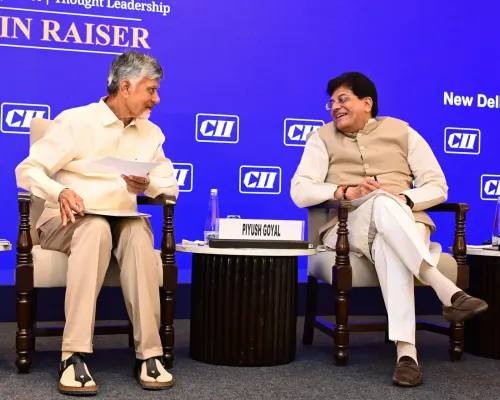
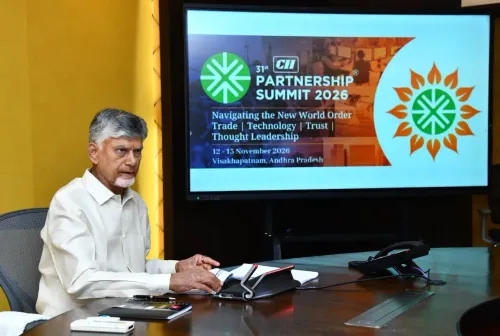
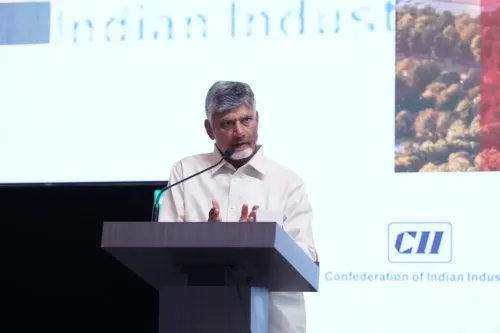
Chandrababu Naidu held bilateral meetings with the UAE, WIPO, and Japan at the CII Partnership Summit in Visakhapatnam on 11 November 2026 .
Naidu pitched Rayalaseema as a global horticulture hub backed by a ₹1 lakh crore investment and invited UAE agrifood firm Silal to join a proposed food cluster.
Discussions with WIPO DG Daren Tang focused on establishing a WIPO–Andhra Pradesh Academy and securing GI tags for state handloom and handicraft products.
Talks with Japanese Ambassador Keiichi Ono covered critical minerals , green energy , skilling, and support for the ArcelorMittal Nippon Steel India plant's raw material supply.
An escrow account mechanism for timely industrial incentives was highlighted as part of the state's Speed of Doing Business initiative.
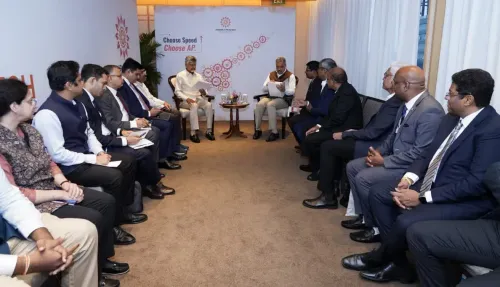
Andhra Pradesh Chief Minister N. Chandrababu Naidu held a string of high-profile bilateral meetings on the sidelines of the CII Partnership Summit in Visakhapatnam on 11 November 2026, inviting companies from the United Arab Emirates and Japan to invest in the state across food processing, maritime, aerospace, defence, and critical minerals. The meetings signal an aggressive outreach by the Andhra Pradesh government to attract global capital as it pursues a sweeping economic transformation agenda.
UAE Outreach: Food Clusters and Horticulture Hub
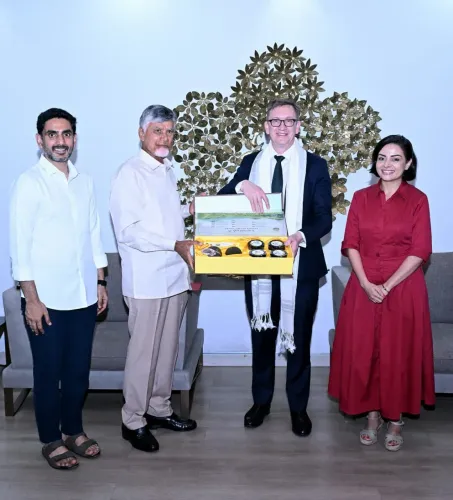
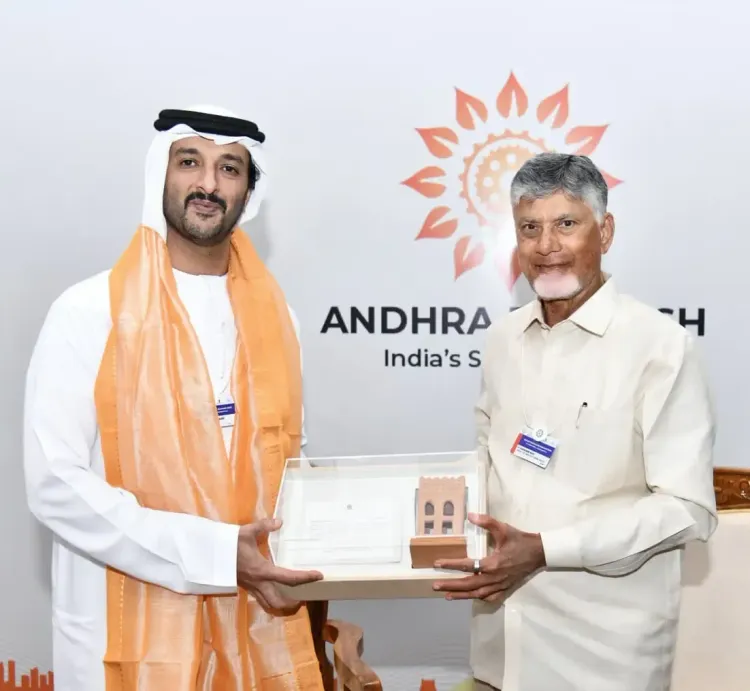
UAE Minister of Economy and Tourism Abdullah bin Touq Al Marri, who was in Visakhapatnam for the CII Partnership Summit, met Chief Minister Naidu and discussed investment opportunities across multiple sectors. Naidu highlighted that the state government is developing Rayalaseema as a global horticulture hub with a projected investment of ₹1 lakh crore, noting that fruits from the region are already reaching international export markets.
Naidu specifically invited UAE-based agrifood company Silal to participate in a food cluster proposed to be established by the UAE, describing Andhra Pradesh as offering 'immense opportunities' in the procurement, processing, and export of agricultural and food products. The proposed grounding of Dubai-based Floormaster industry in Chittoor district also came up during discussions, and Naidu urged the UAE Minister to facilitate an early decision on the proposed food cluster.
Beyond agrifood, Naidu highlighted investment potential in maritime, aerospace, and defence sectors, calling on UAE companies to capitalise on available opportunities in the state.
WIPO Meeting: GI Tags and Startup Ecosystem
In a separate engagement, Naidu met World Intellectual Property Organisation (WIPO) Director General Daren Tang to explore ways to secure international recognition for innovation and creativity in Andhra Pradesh. The discussions centred on establishing a WIPO–Andhra Pradesh Academy and running joint training programmes on Intellectual Property Rights (IPR), patents, trademarks, industrial designs, and technology protection — targeting students, researchers, startup founders, and Micro, Small and Medium Enterprises (MSMEs).
Naidu sought WIPO's support in securing Geographical Indication (GI) tags for the state's handloom products, handicrafts, and other local products, as well as assistance in expanding markets for existing GI-tagged goods and elevating their quality standards internationally. He also highlighted the state's Ratan Tata Innovation Hub as a vehicle for encouraging young entrepreneurs and invited WIPO to collaborate on strengthening the startup ecosystem.
Japan Talks: Critical Minerals, Steel, and Skilling
Chief Minister Naidu also met Japanese Ambassador Keiichi Ono to discuss a broad range of cooperation areas including industrial investments, skill development, critical minerals, the steel industry, and green energy. Naidu outlined the state's transparent incentive policy and an escrow account mechanism introduced to ensure timely delivery of industrial incentives under the Speed of Doing Business initiative.
On skill development, Naidu underscored that Andhra Pradesh's large youth population represented a significant opportunity, and sought Japanese companies' participation in providing industry-oriented training. Japanese representatives responded positively, expressing willingness to offer skill development training to employees across industries in the state.
The Japanese side raised the issue of ensuring a steady supply of rare earth minerals to Japan, arguing that such cooperation would reinforce the India-Japan critical minerals supply partnership. They also sought support for uninterrupted import of semi-finished steel products from Japan required for final-stage processing at the ArcelorMittal Nippon Steel India plant.
What This Signals for Andhra Pradesh
The flurry of engagements at the CII Partnership Summit reflects the Naidu government's intent to position Andhra Pradesh as a preferred investment destination following the state's bifurcation legacy. The focus on food processing, GI tagging, critical minerals, and manufacturing skilling suggests a multi-sectoral strategy rather than dependence on a single industry anchor. How quickly the proposed food cluster, Floormaster grounding, and WIPO Academy move from discussion to implementation will be the real measure of this diplomatic momentum.
Point of View
And state-level partnerships could either complement or complicate a coherent Centre-led strategy. WIPO's GI-tag ambitions are genuinely useful for artisan communities, but expanding markets for existing tags — not just adding new ones — is where Andhra Pradesh has the most work to do.
NationPress
11 Nov 2026
Frequently Asked Questions
Why did CM Chandrababu Naidu invite UAE firms to Andhra Pradesh?
Chief Minister N. Chandrababu Naidu invited UAE companies, including agrifood firm Silal, to invest in Andhra Pradesh's food processing sector and participate in a proposed UAE food cluster. He also highlighted the state's ₹1 lakh crore Rayalaseema horticulture hub and opportunities in maritime, aerospace, and defence.
What is the Rayalaseema horticulture hub and how much is being invested?
The Andhra Pradesh government is developing Rayalaseema as a global horticulture hub with a projected investment of ₹1 lakh crore. Fruits grown in the Rayalaseema region are already being exported to international markets, and the hub is intended to anchor the state's food processing and agricultural export ambitions.
What was discussed between CM Naidu and WIPO Director General Daren Tang?
The two sides explored establishing a WIPO–Andhra Pradesh Academy to provide training on IPR, patents, trademarks, and technology protection to students, researchers, startups, and MSMEs. Naidu also sought WIPO's support in securing GI tags for the state's handloom products and handicrafts, and in expanding markets for existing GI-tagged goods.
What did the Japan discussions at the CII Summit cover?
Chief Minister Naidu and Japanese Ambassador Keiichi Ono discussed industrial investments, skill development, critical minerals, the steel sector, and green energy. Japan raised the need for a steady rare earth minerals supply, and sought support for uninterrupted import of semi-finished steel for the ArcelorMittal Nippon Steel India plant.
What is the Speed of Doing Business initiative mentioned by CM Naidu?
The Speed of Doing Business initiative is an Andhra Pradesh government effort to streamline industrial investment processes. As part of this, an escrow account mechanism has been introduced to ensure timely and predictable delivery of industrial incentives to investors setting up operations in the state.