What prompted former UP minister Nasimuddin Siddiqui to resign from Congress?
Synopsis
Former UP minister Nasimuddin Siddiqui's resignation from Congress, along with 72 associates, marks a significant political upheaval in Uttar Pradesh. His decision stems from unmet expectations within the party, raising questions about his next political move and the implications for Congress.
Key Takeaways
Nasimuddin Siddiqui resigns from Congress, marking a political shift.
Around 72 associates joined his resignation.
Unmet expectations within the party were cited as reasons for his departure.
Siddiqui has ruled out joining BJP or BSP.
He calls for collective decision-making regarding future political alliances.
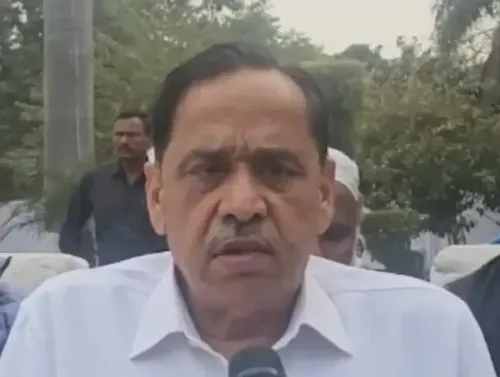
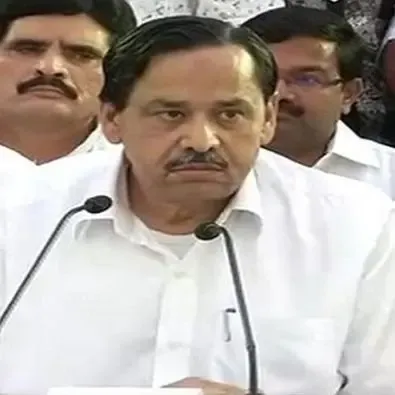
Lucknow, Jan 24 (NationPress) The Congress party faced a significant setback on Saturday as former minister and prominent leader Nasimuddin Siddiqui announced his resignation alongside numerous associates, creating waves across Uttar Pradesh.
In his resignation statement, Siddiqui expressed his commitment as a grassroots worker but stated that he could not advance his political objectives within the Congress.
In a formal resignation letter, Siddiqui indicated that he was stepping down from his primary membership and all party-related roles due to “unavoidable circumstances.”
He emphasized that he holds no personal animosity toward any Congress leader, yet the goals that drew him to the party remained unachieved.
The former minister disclosed that approximately 72 leaders, including former MLAs, have also resigned with him. He mentioned that discussions are ongoing with his colleagues, and a collective decision regarding future actions will be made.
“We will align with whichever political party we can reach an agreement with to continue serving the people,” Siddiqui stated, noting that the decision would follow talks with those who have departed.
In an interview with IANS, Siddiqui reiterated that he joined the Congress party eight years ago; while he considers himself a grassroots worker, he felt disappointed by the lack of the expected role and responsibilities, prompting his resignation. He firmly ruled out joining the BJP and also dismissed the chance of returning to the Bahujan Samaj Party (BSP).
Nasimuddin Siddiqui is a recognized figure in Uttar Pradesh politics. He began his political journey with the BSP and served as a cabinet minister during the Mayawati administration, where he held several significant portfolios. Renowned for his dynamic oratory and strong grassroots connections, Siddiqui gained substantial influence among Dalits, backward classes, and minority communities.
After parting ways with the BSP, where he was once close to Mayawati, Siddiqui joined the Congress and was designated the Uttar Pradesh Congress president. During his time, he aimed to fortify the organization and advocate for social justice issues, but he was reportedly discontented with the party’s lack of political momentum and direction.
A resident of Banda in the Bundelkhand region, Siddiqui’s resignation has once again brought attention to his next political undertaking.
Point of View
I believe Siddiqui's resignation reflects a broader discontent within the Congress party, highlighting challenges in fulfilling grassroots aspirations. This situation emphasizes the need for political parties to address internal dynamics and member expectations while strategizing for the future.
NationPress
19 Sept 2026
Frequently Asked Questions
Why did Nasimuddin Siddiqui resign from Congress?
Siddiqui resigned due to dissatisfaction with his role in Congress and the unfulfilled objectives that motivated his initial joining.
How many associates resigned with Siddiqui?
Approximately 72 leaders, including former MLAs, resigned alongside Siddiqui.
Is Siddiqui planning to join another political party?
Siddiqui stated that discussions with his associates are ongoing to determine their next political affiliation.
What has Siddiqui said about joining BJP or BSP?
Siddiqui categorically ruled out joining the BJP and dismissed the possibility of returning to the Bahujan Samaj Party.
What impact does Siddiqui's resignation have on Congress?
His resignation signifies significant discontent within the party, potentially affecting its organizational strength and political strategy in Uttar Pradesh.