Nepal creates climate diplomacy division after floods kill 1,411
Synopsis
Nepal has created its first dedicated climate diplomacy body — a direct institutional response to the August floods that killed 1,411 people and which scientists have linked to human-caused permafrost degradation. With Prime Minister Balendra Shah heading to the UN General Assembly on 22 September, Kathmandu is turning tragedy into a platform for structured global advocacy on climate accountability.
Key Takeaways
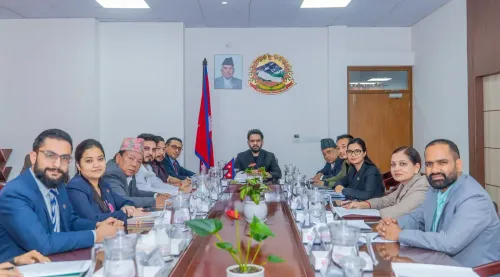
Nepal's Ministry of Foreign Affairs has established an Environment Diplomacy Division — the country's first dedicated climate diplomacy body.
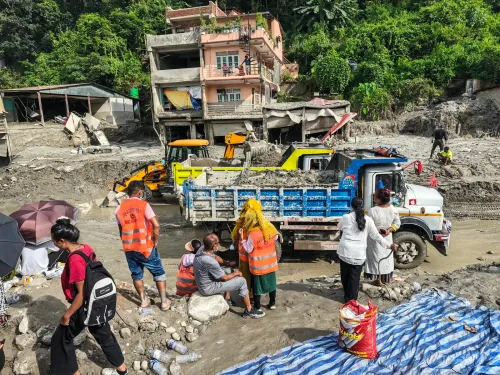
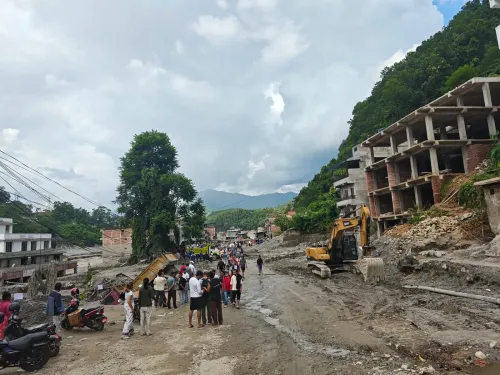
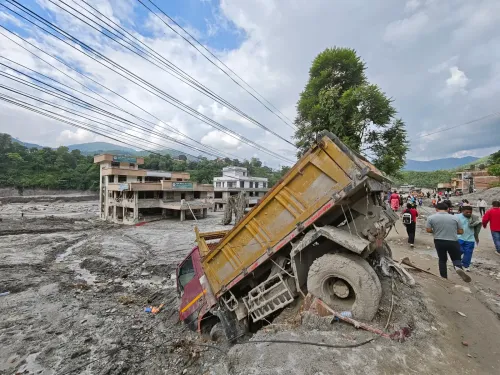
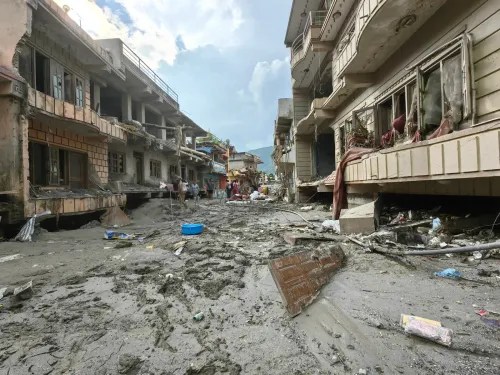
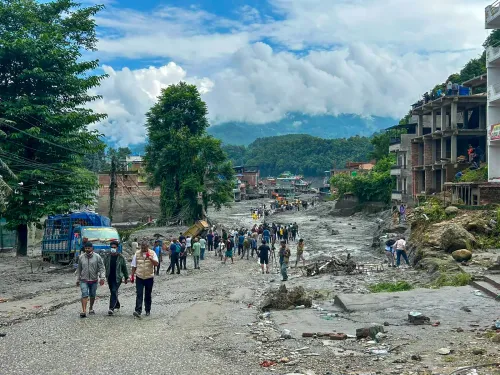
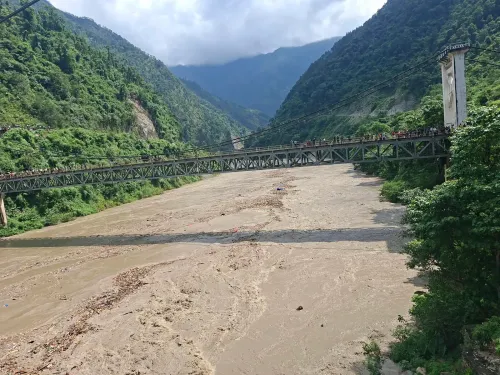
Floods on 26 August 2026 killed 1,411 people and left 5,875 missing as of Saturday evening, per the National Disaster Risk Reduction and Management Authority .
The World Weather Attribution report linked the disaster to human-caused warming, which thinned glaciers and thawed permafrost, likely destabilising the Himalayan slope that collapsed.
Foreign Minister Shishir Khanal said climate diplomacy must go beyond COP-to-COP participation and needs institutionalisation.
Prime Minister Balendra Shah departs for New York on 22 September and will address the UNGA General Debate on 24 September .
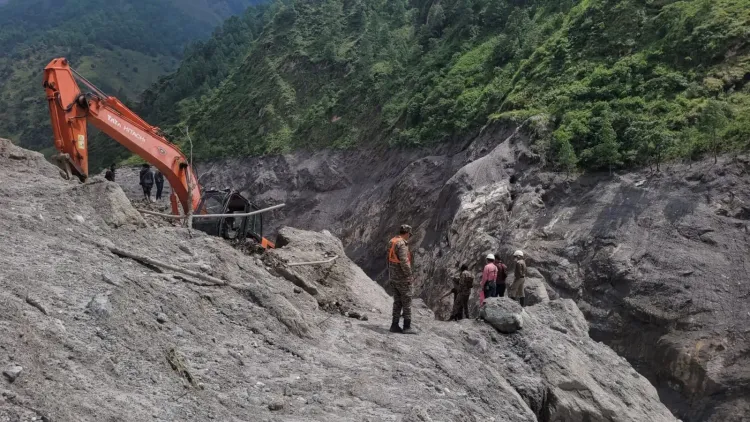
Nepal's Ministry of Foreign Affairs has, for the first time, established a dedicated Environment Diplomacy Division to institutionalise the country's climate diplomacy efforts, a move prompted by the catastrophic flooding of 26 August 2026 that has claimed at least 1,411 lives and left 5,875 people — including foreign nationals — missing as of Saturday evening, according to the National Disaster Risk Reduction and Management Authority.
Why Nepal Is Acting Now
The floods of 26 August were not an isolated weather event, according to scientists. The World Weather Attribution (WWA) — an international scientific collaboration that analyses the influence of human-caused climate change on extreme weather — released a report last week linking the disaster to global warming. Researchers found that human-induced warming had thinned glaciers and thawed mountain permafrost, likely destabilising a Himalayan slope whose collapse triggered the catastrophic flooding.
The WWA report stated: 'Warming and permafrost degradation likely weakened the source rock wall by increasing bedrock temperatures and thawing ice within fractures. Loss of ice bonding reduces fracture strength, while meltwater can increase water pressure and further destabilise pre-existing geological weaknesses.' It added that 'permafrost degradation may have acted as an additional climate-related factor preconditioning the slope for failure.'
What the New Division Will Do
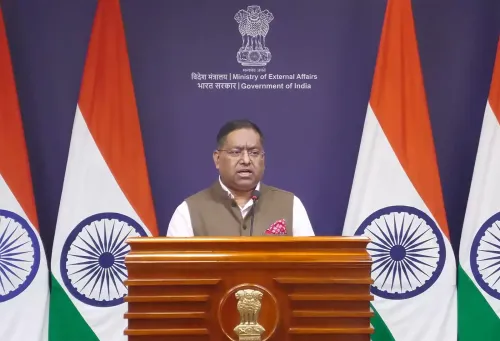
The Foreign Ministry said the division was established 'considering the growing impacts of climate change and the need to address emerging challenges through a dedicated institutional mechanism.' It will facilitate international diplomatic initiatives on climate and environmental issues and coordinate with relevant domestic agencies — a shift from Nepal's previous approach of participating in global forums without a standalone institutional structure.
Foreign Minister Shishir Khanal emphasised that climate diplomacy must go beyond attending successive Conference of the Parties (COP) meetings. 'Climate diplomacy cannot be advanced simply by focusing on participation in events ranging from one COP to another or in other international programmes,' he said, adding that the division's institutional structure could be expanded based on future needs and workload.
Nepal's Push at the United Nations
The Foreign Ministry's announcement comes days before the 81st Session of the United Nations General Assembly (UNGA), where Nepal intends to raise the issue of climate change and its disproportionate impact on mountain nations. Prime Minister Balendra Shah is scheduled to depart for New York on 22 September, leading the Nepali delegation, and is set to address the General Debate of the UNGA on 24 September. Foreign Minister Khanal is departing for New York on Sunday evening.
This comes amid Nepal consistently participating in regional and international climate forums — a track record the government says it now wants to formalise into a structured, year-round diplomatic effort rather than event-driven engagement.
The Broader Stakes for the Himalayas
Nepal's geography places it on the frontline of glacial retreat and permafrost degradation. The 26 August disaster underscores what climate scientists have warned for years: that slope instability in the Himalayas will increase as temperatures rise. With the death toll at 1,411 and nearly 6,000 people still unaccounted for, the human cost is shaping a political urgency that the new division is designed to channel into sustained international advocacy.
As Kathmandu prepares its case for the UN General Assembly, the creation of the Environment Diplomacy Division signals that Nepal intends to move from the margins of global climate negotiations toward a more proactive, institutionalised role.
Point of View
Higher-emitting nations for accountability at the UNGA. The risk is that the division, like many newly-created bureaucracies in the region, remains under-resourced and event-driven despite the minister's stated ambitions. With a death toll of 1,411 and nearly 6,000 still missing, the political will is clearly there — the question is whether it will survive the next budget cycle.
NationPress
20 Sept 2026
Frequently Asked Questions
What is Nepal's new Environment Diplomacy Division?
It is the first dedicated climate diplomacy body within Nepal's Ministry of Foreign Affairs, established in September 2026 to institutionalise the country's engagement on climate and environmental issues at international forums. The division will facilitate diplomatic initiatives and coordinate with domestic agencies on climate-related matters.
How deadly were the Nepal floods of August 2026?
The floods triggered by a Himalayan slope collapse on 26 August 2026 killed at least 1,411 people, with a further 5,875 — including foreign nationals — still missing as of Saturday evening, according to the National Disaster Risk Reduction and Management Authority.
What did scientists say caused the Himalayan slope collapse?
The World Weather Attribution (WWA), an international scientific collaboration, found that human-caused global warming had thinned glaciers and thawed mountain permafrost, likely weakening the rock wall and destabilising the slope that collapsed on 26 August. The report noted that permafrost degradation 'may have acted as an additional climate-related factor preconditioning the slope for failure.'
What will Nepal raise at the UN General Assembly?
Nepal plans to raise the issue of climate change and its growing impacts on vulnerable mountain nations at the 81st Session of the UNGA. Prime Minister Balendra Shah is scheduled to address the General Debate on 24 September 2026, leading the Nepali delegation departing New York on 22 September.
Why did Nepal create a dedicated climate diplomacy body now?
The government cited the growing impacts of climate change and the need for a 'dedicated institutional mechanism' following the devastating August 2026 floods. Foreign Minister Shishir Khanal stated that climate diplomacy cannot be limited to COP event attendance and must be advanced through a permanent, coordinated institutional structure.