Has Nepal Declared the Wild Red Monkey an Agriculture-Threatening Animal?
Synopsis
In a significant move, the Nepali government has categorized the wild red monkey as an agriculture-damaging creature, allowing farmers to take action without prior permission, as they face increased crop destruction. This development highlights the growing conflict between agriculture and wildlife, raising concerns for both farmers and conservationists.
Key Takeaways
Nepal has declared the wild red monkey an agriculture-damaging animal.
Farmers can capture or chase away monkeys without prior approval.
The declaration is valid for one year.
Human-wildlife conflict is increasing due to habitat changes.
Political candidates are addressing the issue in their campaigns.
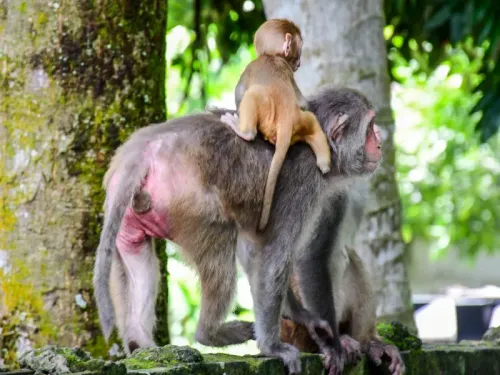
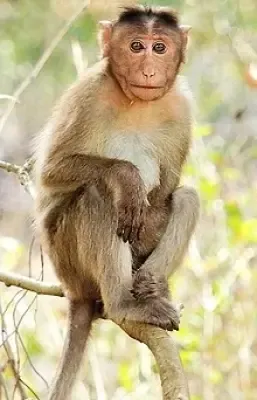
Kathmandu, Feb 13 (NationPress) The government of Nepal has officially classified the wild red monkey (Macaca mulatta) as an agriculture-threatening wild animal, enabling farmers to either drive away or capture these creatures without needing prior consent from the authorities.
The declaration was published in the Nepal Gazette on Thursday by the Ministry of Forests and Environment, and it will remain in effect for a year.
The increase in forest cover surrounding abandoned agricultural land, coupled with a decrease in cultivation, has unintentionally expanded the habitats of these monkeys, resulting in heightened human-wildlife conflicts.
Monkeys have been raiding private fields extensively, leading to significant crop destruction and compelling numerous farmers to cease their agricultural activities.
Reports of human-wildlife clashes have surged across the nation, where successes in wildlife conservation have occasionally intensified pressures on farming communities due to inadequate mitigation strategies.
As per the notice, if wild red monkeys invade farmers' fields and inflict damage to crops, life, or property, farmers are permitted to act individually or collectively to drive them off or capture them. However, these rules do not apply within national parks, wildlife reserves, hunting reserves, conservation areas, or national forest zones,” the Ministry clarified.
Captured red monkeys must be transferred to the relevant national park office, wildlife reserve office, hunting reserve, conservation area office, division forest office, or the closest subordinate office.
If a monkey is accidentally killed while attempting to drive it away, it can be buried in the presence of at least one representative from the local government and five local witnesses,” the notice stipulated.
Moreover, incidents must be reported to the national park or forest office, in addition to the local ward office.
In cases where red monkeys are killed, the respective offices are required to submit comprehensive reports to the Ministry bi-monthly.
In the eastern district of Dhankuta, some candidates for the upcoming House of Representatives elections on March 5 have highlighted the monkey issue in their campaigns, pledging fencing, compensation schemes, and enhanced wildlife management strategies as part of their election promises.
Point of View
I believe this declaration by the Nepali government is a crucial step in addressing the pressing issue of human-wildlife conflict. While the move aims to support farmers, it is essential to balance agricultural interests with wildlife conservation efforts to ensure sustainable coexistence.
NationPress
28 Sept 2026
Frequently Asked Questions
What is the new declaration about wild red monkeys?
Nepal has officially declared the wild red monkey as an agriculture-damaging animal, allowing farmers to chase away or capture them without prior approval.
How long will the declaration remain in effect?
The declaration will remain valid for one year as published in the Nepal Gazette.
Are there any restrictions on capturing these monkeys?
Yes, the rules do not apply within national parks, wildlife reserves, hunting reserves, conservation areas, or national forests.
What should farmers do if a monkey is killed during capture?
If a monkey is killed, it must be buried in the presence of local government representatives and reported to the relevant authorities.
What measures are being proposed to address the monkey issue?
Candidates for the upcoming elections have promised fencing, compensation schemes, and stronger wildlife management policies.