Nepal Reclassifies Wild Boars as Agricultural Threats to Combat Crop Damage
Synopsis
In a decisive move to protect farmers' livelihoods, Nepal has reclassified wild boars as agricultural pests. This allows farmers to take action against these animals without permits, amid escalating wildlife-related crop losses.
Key Takeaways
Nepal has reclassified wild boars as agricultural threats.
Farmers can now act against these animals without permits.
Wildlife-induced crop loss has become a pressing issue.
Specific guidelines outline the handling of captured animals.
Government aims to mitigate human-wildlife conflict.
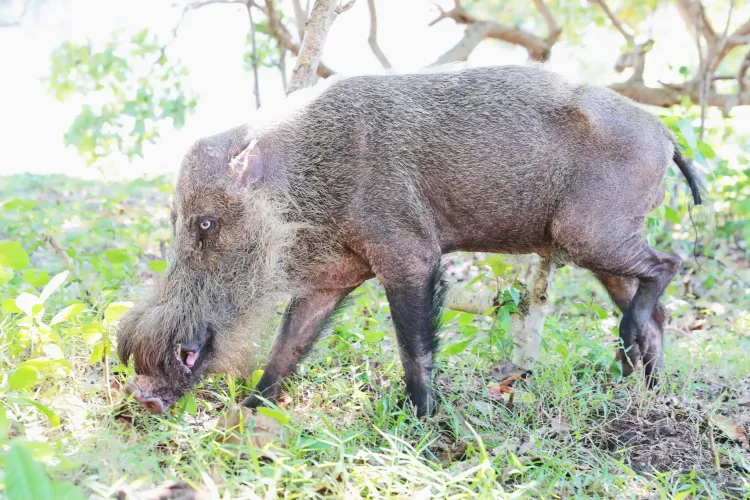
Kathmandu, Feb 24 (NationPress) The government of Nepal has officially reclassified wild boars—excluding smaller species that invade private farms—as agriculture-threatening wild animals. This change permits farmers to drive away, capture, or even eliminate these animals without needing a permit from the authorities.
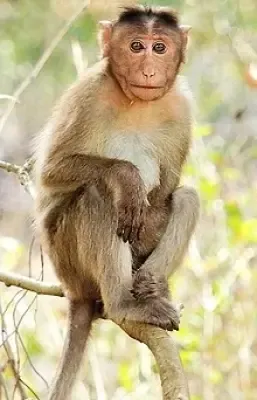
Just under two weeks after the wild rhesus monkey (Macaca mulatta) was similarly designated, the wild boar has been added to the list amid ongoing agricultural losses inflicted by wildlife. The Ministry of Forests and Environment announced this declaration through a notice in the Nepal Gazette, which will remain effective for one year from its publication date.
The ministry indicated that wild boars—except for smaller species entering private farmlands, threshing areas, and kitchen gardens—are now recognized as detrimental to agriculture.
“Should these wild boars invade these locations and cause damage, landowners may, under specific conditions, chase away, capture, or kill them without needing a permit,” stated the official notice. This provision applies exclusively to regions outside national parks, wildlife reserves, hunting reserves, conservation areas, and national forests, as specified by the ministry.
This governmental action comes at a time when various wild animals, including wild boars and monkeys, are wreaking havoc on crops, compelling numerous farmers to cease cultivation altogether.
The reduction in farming coupled with the expansion of forest areas around abandoned lands has inadvertently created more habitats for monkeys and wild boars, thereby escalating human-wildlife conflicts.
The effects of this wildlife issue are increasingly apparent. Fields remain unplanted, agricultural output continues to dwindle, and younger individuals are departing from villages where farming no longer ensures a sustainable livelihood. In some instances, humans have been attacked, leading to occasional fatalities.
According to the official notice, if wild boars invade agricultural fields and inflict damage on crops or livestock, farmers may individually or collectively chase away, drive off, or capture them. Upon capture, the animal must be surrendered to the appropriate National Park Office, Wildlife Reserve Office, Hunting Reserve Office, Conservation Area Office, Division Forest Office, or the nearest relevant office, with notification to the corresponding ward office.
If a wild boar is killed in the process of driving it away, it should be buried in the presence of at least one representative from the local government and five local witnesses. “Reports regarding the incident must be submitted to the national park or forest office, as well as to the local ward office,” the notice specified.
Point of View
I recognize the gravity of this decision amid escalating wildlife conflicts. The government's directive aims to alleviate the burdens faced by farmers, yet it raises questions about long-term solutions to human-wildlife coexistence.
NationPress
30 Sept 2026
Frequently Asked Questions
What prompted the Nepali government to reclassify wild boars?
The reclassification was prompted by significant agricultural losses reported by farmers due to wild boar and monkey invasions.
Are farmers required to obtain a permit to deal with wild boars?
No, farmers can now chase away, capture, or kill wild boars without needing a permit, under certain conditions.
What areas are exempt from this new provision?
The provision does not apply to national parks, wildlife reserves, hunting reserves, conservation areas, and national forests.
What should farmers do if they capture a wild boar?
Captured wild boars must be handed over to the nearest relevant wildlife authority.
What are the consequences of killing a wild boar?
If a wild boar is killed, it must be buried under specific conditions, and the incident must be reported to local authorities.