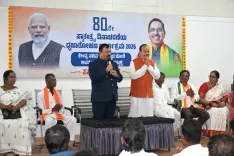
Shivraj backs Modi's women quota appeal from Red Fort
Synopsis
On Independence Day 2026, PM Modi renewed his Red Fort appeal for cross-party support for 33% women's reservation in Parliament and assemblies. Agriculture Minister Shivraj Singh Chouhan amplified the call, spotlighting the 2023 Nari Shakti Vandan Adhiniyam that awaits census and delimitation before it can take effect.
Key Takeaways
PM Modi appealed to all political parties from the Red Fort on 15 August 2026 to support 33% reservation for women in the Lok Sabha and state assemblies.
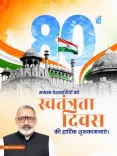
Union Agriculture Minister Shivraj Singh Chouhan shared and endorsed the appeal on X, amplifying it to his national audience.
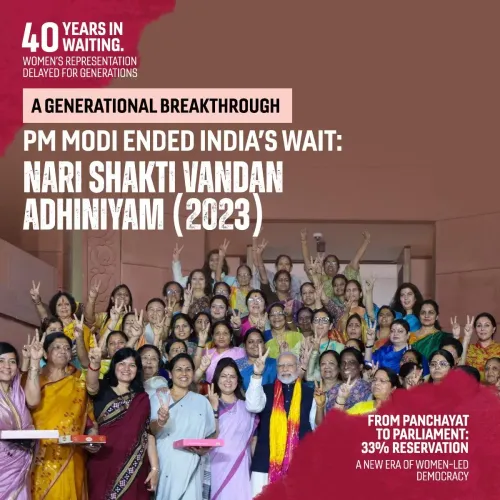
The Nari Shakti Vandan Adhiniyam — passed by Parliament in September 2023 — already provides this 33% quota in law.
Operationalisation is contingent on the completion of India's next census and a subsequent delimitation exercise ; India's last census was in 2011 .
Efforts to legislate women's reservation in Indian legislatures date back to the 1990s , making the 2023 Act a historic but still-dormant milestone.
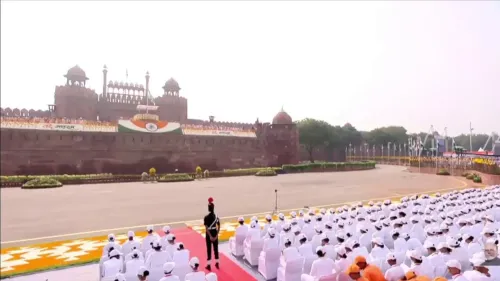
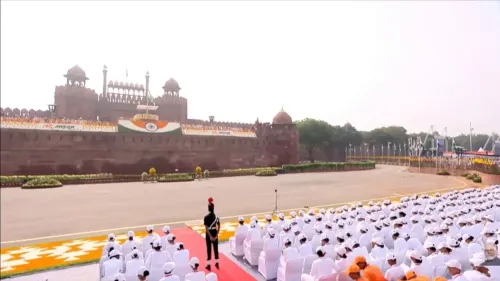
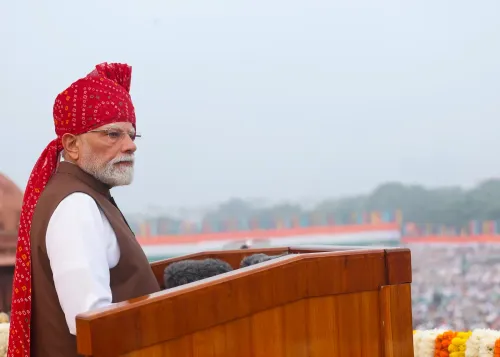
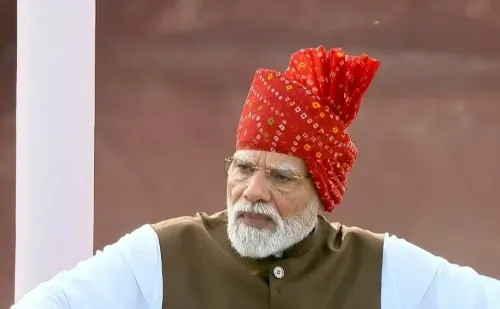
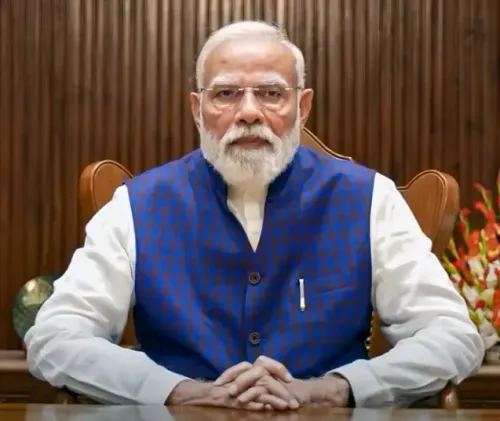
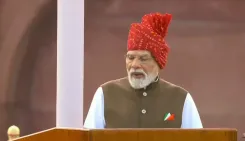
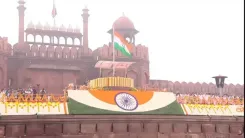
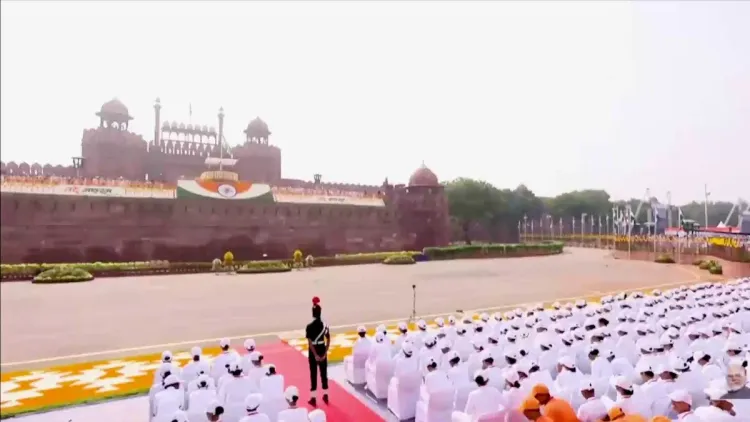
Under the tricolour at the Red Fort on Independence Day, 15 August 2026, Prime Minister Narendra Modi renewed his call to all political parties to unite behind 33 percent reservation for women in the Lok Sabha and state assemblies — and Union Agriculture Minister Shivraj Singh Chouhan was quick to amplify the moment.
Chouhan shared the Prime Minister's appeal from the ramparts of Lal Qila, framing it as a defining gesture: a leader standing in the shadow of the tricolour and asking every party, across the aisle, to stand with women. The post carried the hashtag #IndiaIndependenceDay and included a video of the address.
The law that exists — but hasn't yet kicked in
This is not a new promise. In September 2023, Parliament passed the Nari Shakti Vandan Adhiniyam — formally the Constitution (One Hundred and Twenty-eighth Amendment) Act — providing 33 percent reserved seats for women in the Lok Sabha and state legislative assemblies. Both houses passed it, ending decades of failed attempts stretching back to the 1990s.
The catch: the Act deferred operationalisation until after the next census and delimitation exercise. No census has been conducted since 2011. Until fresh delimitation is completed, the reserved seats cannot be notified, which means the law is on the books but women candidates have yet to benefit from it in any election.
Why Modi's Red Fort call still carries political weight
Repeating the appeal from India's most watched public platform — the Independence Day address — keeps the issue in the national conversation and signals that the government sees women's political representation as unfinished business. The framing of 'all political parties' is deliberate: it positions the demand as a national consensus rather than a ruling-party project, and implicitly challenges opposition benches to publicly endorse or resist it.
For Chouhan, a four-term Chief Minister of Madhya Pradesh who built a political identity around welfare schemes for women — including the Ladli Behna Yojana — amplifying this message fits a consistent personal brand. The real test, however, is not rhetoric from the ramparts. It is the census calendar.
Until India completes its delayed population count and the subsequent delimitation of constituencies, the most consequential women's rights legislation in a generation remains in a legal holding pattern. The Red Fort appeal is a reminder of what was promised — and a clock that is still ticking.
Frequently Asked Questions
What is the 33% women's reservation in Parliament?
The Nari Shakti Vandan Adhiniyam , passed in September 2023 , reserves 33 percent of seats in the Lok Sabha and state legislative assemblies for women. It cannot be implemented until after the next national census and delimitation of constituencies.
When will women's reservation actually come into effect in India?
The law requires a fresh census and a subsequent delimitation exercise before reserved seats can be notified. India's last census was in 2011 ; until a new one is completed, the quota remains legally enacted but operationally dormant.
What did PM Modi say about women's reservation on Independence Day 2026?
Speaking from the Red Fort on 15 August 2026 , PM Modi urged all political parties to come together in support of 33 percent reservation for women in the Lok Sabha and state assemblies.
What is Shivraj Singh Chouhan's connection to women's welfare schemes?
Shivraj Singh Chouhan , a four-term Chief Minister of Madhya Pradesh , is associated with several women-focused welfare programmes including the Ladli Behna Yojana , making women's empowerment a consistent theme of his political career.
What is the Nari Shakti Vandan Adhiniyam?
It is the formal name for the Constitution (One Hundred and Twenty-eighth Amendment) Act passed by both houses of Parliament in September 2023 , which provides 33% reservation for women in the Lok Sabha and state assemblies — the first time such legislation successfully cleared Parliament after multiple failed attempts since the 1990s.